Topic
intrinsic-learning
Maya's game keeps sending her to the wrong door. Coding club is tomorrow.
Six new Scratch games show how choice, remixing and productive failure help children learn through experimentation.

The Square Canister Apollo 13 Needed, and What It Almost Cost the Crew
Use this five-minute test to see whether a learning app’s play survives after badges, chests, streaks, and collectibles disappear.
What Happens When One Final Wire Could Make the Bulb Glow?
Why one final circuit wire can keep a child learning: meaningful unfinished problems create curiosity without reward loops.
Digital History for Children: How Imani’s Map Choices Make Evidence Matter
Digital history works best when children operate maps, routes and timelines, then see the consequences of their choices.

The Apollo 13 Adapter, and What It Reveals About Educational Games
Use this three-part test to spot whether a kids’ learning game makes skills drive play or merely interrupts it with quizzes.

Blog: What is intrinsic learning in children’s games? A parent’s guide to spotting whether learning operates the game—or merely unlocks the next reward.
Learn how to spot children’s games where real thinking drives play, not rewards, quizzes, and chance-based distractions.
Learning games vs quiz apps: What Rosa’s dinner-table test reveals
A practical parent test for spotting when maths drives the game, and when it merely unlocks another reward.
What makes screen time educational? A practical guide to intrinsic learning, where counting, decoding, experimenting and programming are the actions that move the game forward.
Learn how to spot educational screen time by checking whether real thinking, not rewards, moves the game forward.

The Signal at 7:18, and What It Can Save at Bedtime
One correctly routed train can make bedtime learning feel complete, without loot prompts, streak pressure, or another round of tapping.

The Square Canister Apollo 13 Needed, and What It Almost Cost the Crew
A working circuit helps children see how tomorrow becomes real: predict, test, fix, and watch the light turn on.

Educational screen time vs intrinsic learning: how to tell whether learning drives the play or merely unlocks the next game.
Use a ten-minute parent audit to spot real intrinsic learning, empty reward loops, useful mistakes, and screen time worth keeping.

Learning Games: How Maya’s Reasoning Restored a Persistent World
See how Jambolino turns maths, reading, science and coding into the actions that make a child’s persistent world grow.

The Wrong-Shaped Filter Apollo 13 Had to Make Fit, and Why Every Measurement Mattered
See how Jambolino turns each math problem into a working part of a persistent world children can build, restore, and revisit.
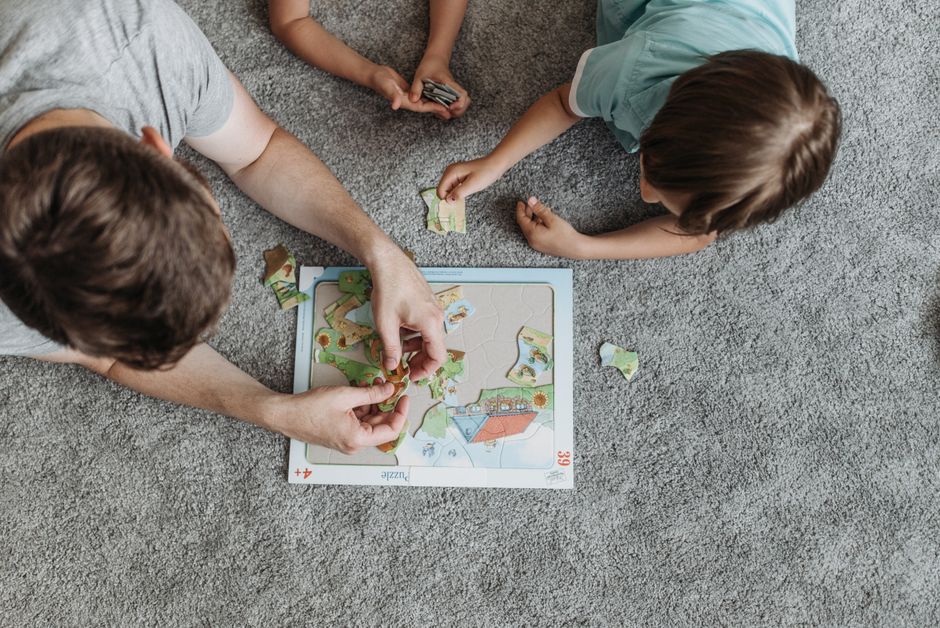
Educational screen time vs digital worksheets: how intrinsic learning games turn solving, decoding, predicting and building into the mechanic rather than placing quiz questions behind rewards.
Learn the five-minute test that reveals whether an educational game builds real skills or hides digital worksheets behind rewards.

Learning Games for Children: How a Train Route Turned Emil’s Thinking Into Play
Tired of school platform logins? Use one simple test to tell whether your child is genuinely thinking or merely clearing screens.

The One Stubborn Word That Woke a Dormant Part of Wordwood
What if sounding out one stubborn bedtime word could wake an entire reading world? See how Wordwood turns decoding into action.

Can Ten Minutes of Tablet Time Hold Attention Without Exploiting It?
Need ten quiet minutes? Learn how to choose tablet play that holds a child’s interest without ads, loot boxes or streak pressure.
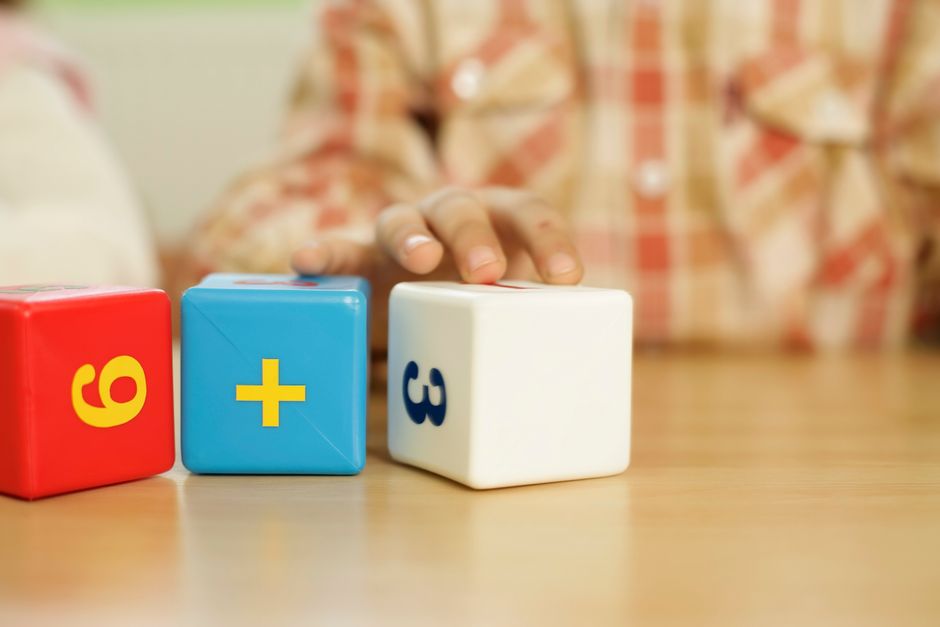
What Happens When Your Child’s Counting Powers the Play?
Close the printer tray. See how counting can power a child’s persistent world while adaptive practice builds real mastery.

The Square Canisters Apollo 13 Couldn't Fit, and What That Reveals About Learning Games
Discover the simple test that separates genuine math play from quizzes dressed up with coins, badges, and adventure scenery.

The Square Canisters That Didn't Fit Apollo 13, and What Was at Stake
See how intrinsic learning games turn fractions, reading and circuits into meaningful play instead of tests placed between rewards.
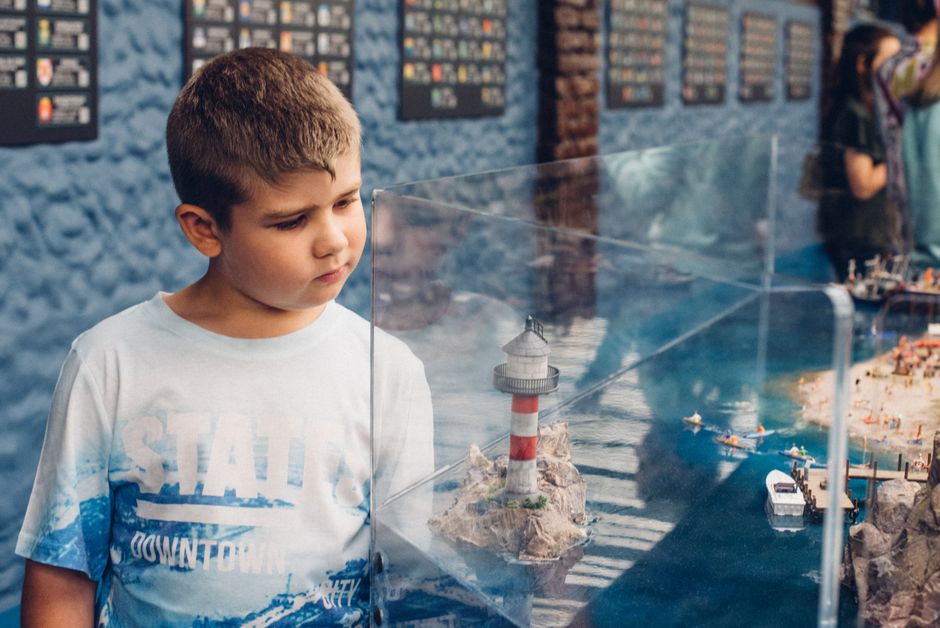
Equivalent Fractions: How Two Quarters Helped Mara Turn the Lighthouse
See how a stalled lighthouse helps a child grasp equivalent fractions by turning equal amounts into a mechanism they can see and control.

What Is a Learning Game Really Teaching When a Child Reaches for the Daily Reward?
What does a learning game really teach? Watch the first tap and discover whether understanding or reward collection drives the play.
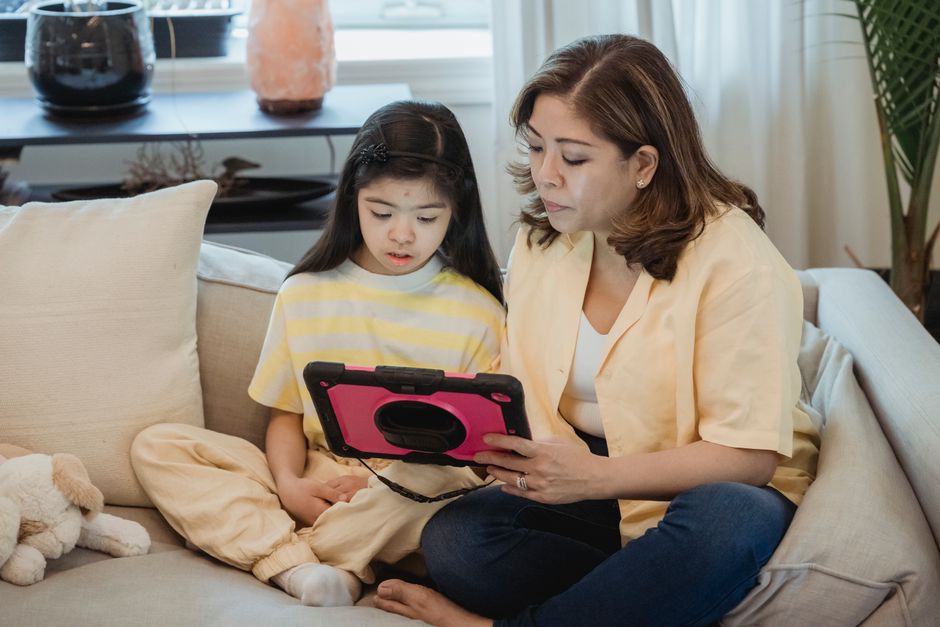
The First Noun After a Child Hands Back the Tablet, and What It Reveals
What a child says after screen time reveals whether a learning game taught mathematics or trained attention on rewards and purchases.
Screen time decisions: How Maya's ten minutes taught the value of active play
Make screen time count. Choose learning games where every tap builds understanding, not just collects rewards. Perfect for short sessions.