Browser play lets a tired child begin learning while the small after-school window is still open. Removing downloads, store searches, and setup can make the difference between ten useful minutes and giving up before play begins.
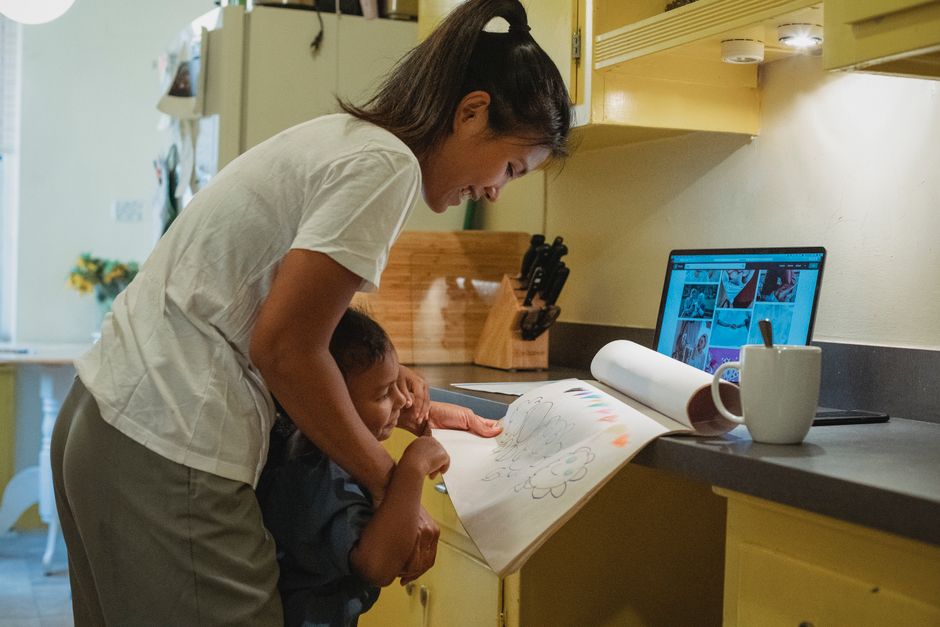
Imagine Maya, a composite of the families this moment is designed around. It is 5:18 on a wet Tuesday in Manchester, and her eight-year-old son, Eli, is still wearing one shoe. His school bag has spilled across the kitchen floor. Maya is holding a wooden spoon in one hand and her phone in the other while pasta water starts to foam behind her.
Eli wants something to do before dinner. Maya has perhaps ten quiet minutes to offer, but an installation screen asks for a password she cannot remember. Another prompt appears. Eli wanders toward the television. If she stops to recover the account, approve the download, and configure an app, the window will close.
It nearly does.
Setup consumes the moment it was meant to help
Parents rarely receive a neat block of “learning time.” They get fragments: the pause before dinner, a sibling’s bath, the wait outside an appointment, or the last calm minutes before everyone runs out of patience.
That makes activation energy matter. A child might be curious right now, yet every extra step gives that curiosity time to disappear. Search the store. Check storage. Enter a password. Accept permissions. Create a profile. Wait for files to arrive.
Each step may be reasonable on its own. Together, they turn a spontaneous invitation into household administration.
Maya changes course with only a few minutes left. She opens Jambolino in the browser, creates a child profile under her parent account, and hands Eli the phone. There is no app-store detour. He enters a learning world and starts operating the activity in front of him.
The pasta still needs attention. That is the point. The product fits inside the life already happening around it.
Ten minutes can still contain a complete experience
A short session does not need to feel disposable. In Jambolino, children solve real learning challenges that change persistent subject worlds. Mathematics can power machinery. Reading can grow Wordwood. Science, logic, music, and geography each have their own places and playful mechanics.
The challenge itself drives the action. Children are not answering a worksheet so they can earn access to the fun afterward. Their counting, decoding, prediction, routing, or rhythm work operates the object in the scene and helps the world grow.
That distinction matters in a ten-minute window. There is no long runway before the meaningful part begins.
The server adjusts challenges toward productive difficulty, schedules review, and can step down gently after repeated struggle. Children can also test ahead of material they already understand. The aim is a playable stretch, with enough success to keep moving and enough challenge to make the session count.
For another look at why the activity itself should carry the experience, see Beyond “Time-Fillers”: What Makes a Learning Game Worth Your Child’s Attention?.
Less friction should not mean more pressure
Fast access can become a trap when a children’s product uses urgency to keep the session going. Jambolino takes a quieter route: no advertisements, no in-app purchases, no chat, no public child profiles, no loot boxes, and no streak loss.
A welcoming return replaces punishment for absence. Session summaries and mastery badges show progress, while weekly parent email digests help adults check in without hovering over every answer.
That gives Maya a clean stopping point. When dinner is ready, she does not have to negotiate with a countdown or explain why Eli will lose a reward if he leaves. His world and progress remain there for next time.
Parents who want a deeper examination of this design choice can read The Quiet Power of Internal Milestones in Kids’ Games.
Jambolino is free during its current beta, with no subscription or payment prompt. Families can use the browser PWA or the Android app with the same child profiles and progress. Browser play simply offers the shortest route into that first session.
Design for the Tuesday you actually have
The useful question for any learning game is practical: how much adult effort does a child need before the first meaningful action?
Try the path yourself at the least convenient moment. Use the family phone. Pretend dinner is nearly ready. Notice how many screens appear before the child can count, read, reason, or experiment. Check whether spoken instructions help a pre-reader begin, whether touch targets suit small hands, and whether stopping creates conflict.
Back in Maya’s kitchen, Eli has finished a short set of challenges. A structure in his world has changed, and he knows what he wants to revisit tomorrow. Maya places the phone beside the fruit bowl and drains the pasta.
Both shoes are still in different rooms. Dinner is ready anyway.
Comments
No comments yet.