Topic
learning-games

Educational Screen Time: What Elsie’s Fractions Challenge Taught Her Dad About Stopping
Learn how to tell when educational screen time earns its place, from intrinsic motivation and pacing to ad-free design and clear stopping points.
The Game With No Streaks, and What That Changes When Bedtime Arrives
Make children’s learning games easier to stop: no ads, loot boxes or streak pressure, with real progress parents can review.

The Game With No Chat, and What Parents Could Still Overlook
Ofcom’s gaming advice offers a simple parent checklist for safer, calmer learning games without chat, ads, pressure or loot boxes.

Leo’s Train Hits a Dead End. The Answer Would End His Thinking.
A wrong answer can become a smaller challenge, helping children rebuild understanding instead of simply seeing the solution.

Educational screen time is not a content label: a parent’s guide to distinguishing intrinsic learning mechanics from quizzes, videos and rewards placed around schoolwork.
Learn how to spot screen time where real learning drives play, and avoid quizzes and rewards that only decorate schoolwork.

The First Step the Child Couldn’t Explain, and What the Finished Worksheet Hid
AI can finish homework fast. Learn how to spot the difference between a completed worksheet and real understanding.

Educational screen time versus recreational screen time: why content labels matter less than what a child must actually think, decode, predict or build on every tap
A practical way to judge kids’ screen time: watch what each tap asks them to think, decode, predict, or build.

Priya’s last-minute screen-time test. No new argument at 7:45.
Try a child learning game without ads, purchases, chat, or public profiles, and see what one calm browser session can feel like.

The Weekly Parent Digest, and the Question It Finally Answers
See how server-graded mastery and weekly parent digests make a child’s learning progress clear after every play session.
Eli’s stalled railway needs fixing. Dinner is close.
Try Jambolino in one browser tab this week and see whether ad-free learning play fits your family’s routine.

What makes screen time educational? A practical guide to intrinsic learning, where counting, decoding, experimenting and programming are the actions that move the game forward.
Learn how to spot educational screen time by checking whether real thinking, not rewards, moves the game forward.
Leo’s reward loop ends. His sister’s stranded train keeps maths meaningful.
Why children leave reward-heavy games and return to learning worlds where their maths keeps a real problem moving.
What Makes Your Child’s App So Hard to Stop?
What happens when screen time ends? Learn how calm stopping points protect progress and make tablet handoffs easier.
The Square Canisters Apollo 13 Had, and What They Almost Cost the Crew
Need a safe Saturday browser activity now? See what a useful 20-minute hand-off should let parents check afterward.
Alina’s son tears his reading sheet. His school bag must be packed soon.
A torn reading worksheet can stall a child. See how real decoding practice can become the action that wakes Wordwood.

Coding prediction for kids: How Leo Found the Turn Inside the Repeat
See how railway route predictions help children practise early coding, debugging, and cause-and-effect before the train moves.

The Square Canisters Apollo 13 Needed, and What Was at Stake
Try the tablet hand-back test to see whether your child returns for rewards, scores, or a problem they genuinely want to solve.

Mina’s circuit goes dark. Dinner interrupts her repair.
Why an unfinished circuit can bring children back to learning games more effectively than streaks, loot boxes, or digital prizes.
What Happens When the Reward Wheel Becomes the Activity?
A reward wheel can hold attention, but understanding gives children a better reason to keep playing and a clearer reason to stop.
Learning Games: What the Cover-the-Meter Test Reveals About Screen Time
A simple test helps parents spot when a learning game is teaching skills, or training children to chase mystery rewards.
Priya’s Dinner Rush. Eli’s Endless Feed Could Reach the Table
Turn pre-dinner screen time into a short, active handover with a visible finish instead of an endless scroll.
The Tuesday Tablet Handover Checklist
Use this five-point checklist to make Tuesday tablet time quick to start, genuinely educational, and easier to end.
Learning Game Design: Why Lesson Breaks Make Children Stop Playing
Why lesson interruptions make children close learning games, and how playable skills keep curiosity alive.
The Midnight Reset Children Don’t Need, and What It Can Cost Learning
Why learning apps should let children pause without losing progress, and how Jambolino replaces streak pressure with a world that waits.
The Reward Wheel That Could Make Learning Feel Less Worth Doing
Use one simple question to tell whether a learning game builds curiosity or relies on reward-wheel attention.
What Happens When Siblings Share One Tablet but Need Separate Learning Paths?
How separate child profiles let siblings share one tablet while each follows their own learning world and difficulty.
The Square Canisters Apollo 13 Had, and Why They Had to Change the Air
A simple parent test for coding games: does a repaired instruction visibly change the system your child is operating?
What Happens When Tablet Time Has a Visible Finish Line?
Turn the 20 minutes between dinner and bedtime into one complete learning mission with a clear, satisfying stopping point.
After-School Screen Time: What a Visible Finish Taught Leena About Better Tablet Use
Make after-school tablet time count with learning activities that give children real problems, clear endings, and progress parents can see.
What Does Your Child Want When the Rewards Go Quiet?
Use the Tunnel Test to see whether a child values a learning game’s real challenge or its reward loop.
What Does It Mean When a Child Replays a Solved Challenge?
A child replaying a solved challenge can reveal more about real interest than points, badges, or screen-time totals.
The Finished Circuit Challenge, and Why It Makes Screen Time Easier to End
Short screen sessions end more calmly when kids finish a meaningful challenge before the timer runs out.
Intrinsic learning games vs quiz apps: how to tell whether the skill operates the world or merely unlocks another round of play.
Learn the quick checks that reveal whether a kids’ learning game makes skills drive play or simply inserts quizzes between rewards.

The Daily Streak Jambolino Does Not Have, and What It Spares Families
A child’s after-dinner return should lead to real learning and a waiting world, not ads, sales, or a lost streak.
What Does Your Child Need to Do to Unlock the Next Room?
A practical parent test for educational screen time: trace what a child must do to unlock the next in-game change.
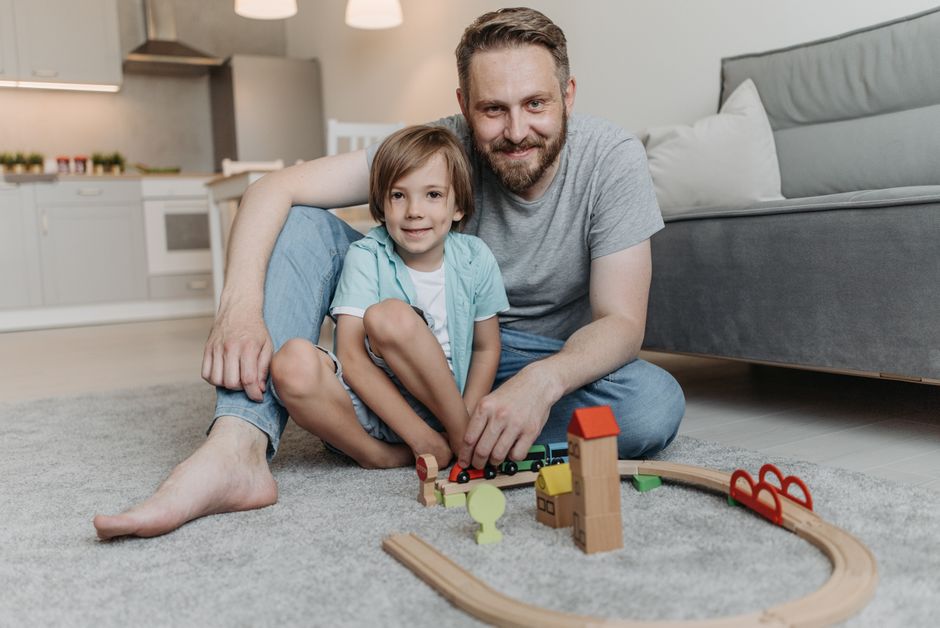
The Signal at 7:18, and What It Can Save at Bedtime
One correctly routed train can make bedtime learning feel complete, without loot prompts, streak pressure, or another round of tapping.
What Can Your Child Do When You Change One Part of the Tablet Activity?
Three quick questions that reveal whether your child’s tablet session built recall, reasoning, and transferable learning.

Weekly learning check-ins: What Leo’s wrong turn taught Priya about progress
Turn ten minutes of screen time into visible learning with a simple Sunday check-in built around one named skill.
The Square Canisters Apollo 13 Needed, and What They Nearly Cost the Crew
Screen time means more when a child is solving, practising, and finishing something real. Here’s how to tell the difference.
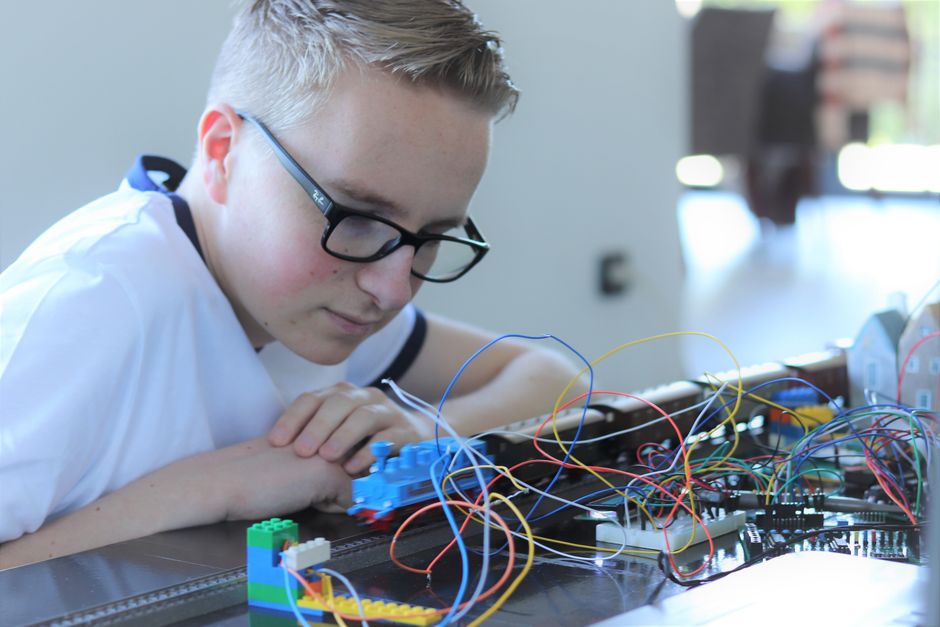
What Did Your Child Work Out to Make That Happen?
A practical way to judge meaningful screen time: look for skills a child uses, builds with, and can show you afterward.
Children's Learning Games: What an Ad Before Play Costs a Parent
Before handing over the tablet, use this simple test to spot learning games that trade your child’s attention for ads.

What Does a Wi-Fi Switch-Off Reveal About Why Your Child Returns to a Game?
Switch off Wi-Fi for one Saturday and listen closely. Your child’s first objection may reveal what their favorite games are really training.

Learning Games for Children: What “One More Try” Reveals About Curiosity
“One more prize” and “I need to see if the bulb lights” reveal two very different reasons children resist ending screen time.
The Square Canister That Wouldn’t Fit, and What Five Focused Minutes Can Change
Turn five spare minutes before dinner into one real learning win, with browser play, visible progress, and no payment or download.

A parent’s checklist for choosing a children’s learning game: no ads, no loot boxes, no streak punishment, real adaptive mastery, and progress you can verify.
Use this practical checklist to spot safe learning games that adapt well, avoid manipulative rewards, and show parents real progress.
Educational screen time vs intrinsic learning: how to tell whether learning drives the play or merely unlocks the next game.
Use a ten-minute parent audit to spot real intrinsic learning, empty reward loops, useful mistakes, and screen time worth keeping.

Shared Family Tablet Learning: How Profiles Give Each Sibling a Different Challenge
One family tablet, two different learners. See how child profiles keep language, difficulty, progress, and worlds personal.
The Square Cartridge That Didn’t Fit, and What 20 Minutes Can Hide
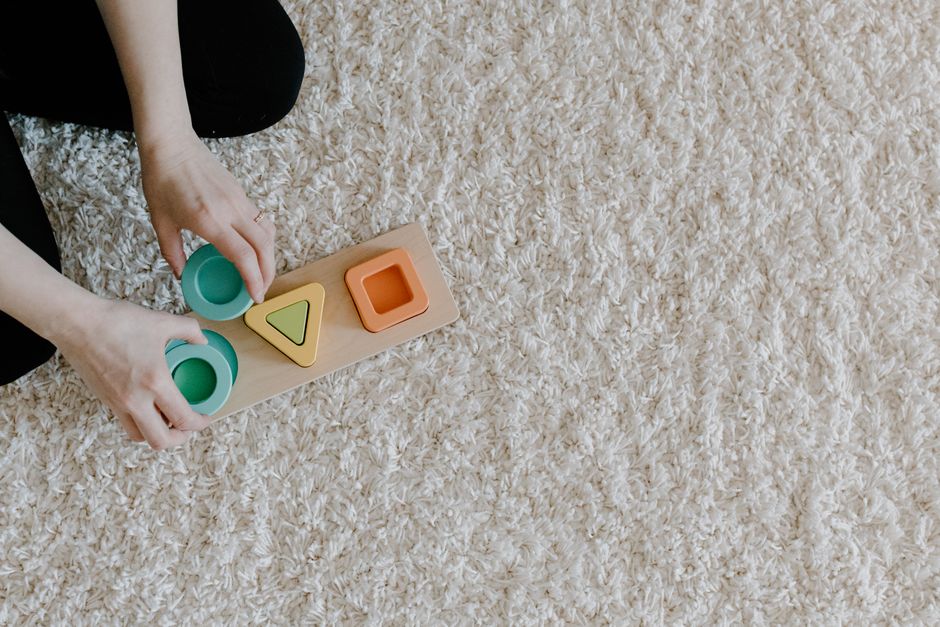
Twenty minutes can train passive watching or real reasoning. Use four questions to judge what your child’s screen session actually demands.

Lena’s after-school screen fatigue. One train route could end in conflict.
Another screen after school? Use this practical five-minute check to tell active, purposeful play from an activity that adds strain.
What If Every Screen Session Had One Purpose Before the Week Began?
Turn weekly screen-time arguments into a five-minute Sunday ritual with clear space for maths, reading, logic, and rest.

Tablet History Audit: What Ravi’s 22 Minutes Taught Priya About Meaningful Practice
Your child spent 20 minutes in an educational app. Here is how to tell how many of those minutes involved real learning.

The Blank Worksheet at 7:12, and the Missing Reason to Start
Why does a blending worksheet trigger resistance? Give every decoded word a visible job and turn reading practice into meaningful play.
Can a Tablet Buy Ten Quiet Minutes Without Selling Your Child’s Attention?
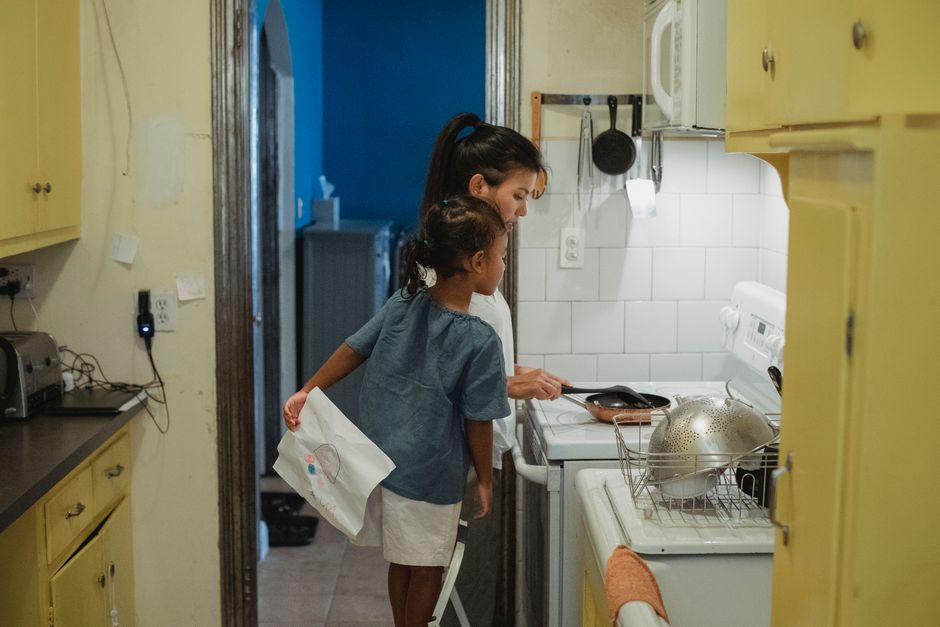
Need ten quiet minutes to finish dinner? Choose screen time that builds real skills without ads, purchases, loot boxes, or streak pressure.

Learning Games for Children: How Meaningful Endings Make It Easier to Stop
Try the tablet hand-back test to see whether a learning game offers real closure or keeps pulling your child into one more round.

The Five Silent Minutes That Reveal What a Learning Game Is Really Training
Try this silent five-minute tablet test to see whether your child is reasoning through a learning game or chasing its rewards.
Luca’s Train Is Stuck. One Attempt Remains Before Tablet Hand-Back.
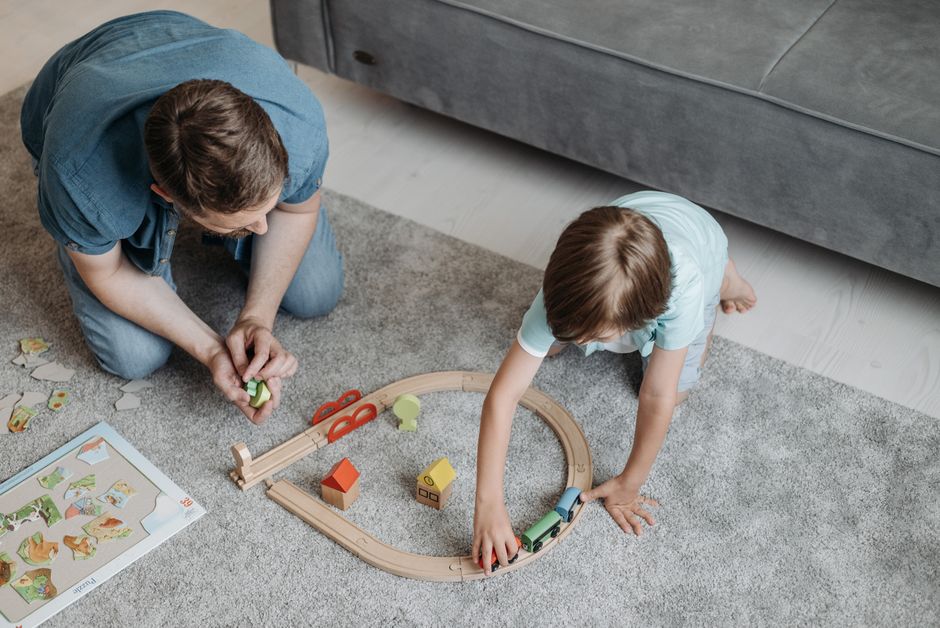
Before choosing a learning game, use three simple questions to find out whether your child remembers the thinking or only the prize.

What Can My Child Really Learn in 20 Minutes Before Dinner?
Only 20 minutes before dinner? Use this practical checklist to choose screen time that gives your child genuine skill practice.

Fraction Learning Games: What Theo’s Waterwheel Reveals About Meaningful Play
Remove the fraction from a learning game. Does the play still work? Use this simple test to spot real learning mechanics.

The Loudest Sound in a Learning App, and What It Can Hide From Parents
Is that cheerful learning-game jingle training your child to chase rewards? Learn what to listen for and how to choose better feedback.
Mina’s Rocket Runs on Quizzes. One More Wrong Answer Ends the Round.
Is that learning game playful, or a worksheet wearing rewards? Use one simple test to see what your child is actually learning.

Does This Coding Game Teach Your Child to Think, or Just Keep Them Tapping?
Some coding games teach real problem-solving. Others reward tapping. Use this five-minute test to tell which kind your child is playing.

Learning Games: How Maya’s Reasoning Restored a Persistent World
See how Jambolino turns maths, reading, science and coding into the actions that make a child’s persistent world grow.
Maya’s Clockwork Lift Is Stuck. Her Subtraction Must Set It Free.
Kids see through quiz apps dressed as games. Learn the one-minute test that reveals whether thinking truly powers the play.
Elena’s Install Button. One Tap Could Turn the Tablet Into a Daily Negotiation.
Set up a new kids’ tablet in 15 minutes with one rule that helps you choose games where thinking drives every move.
What Does My Child Have to Think About to Make the Game Move?
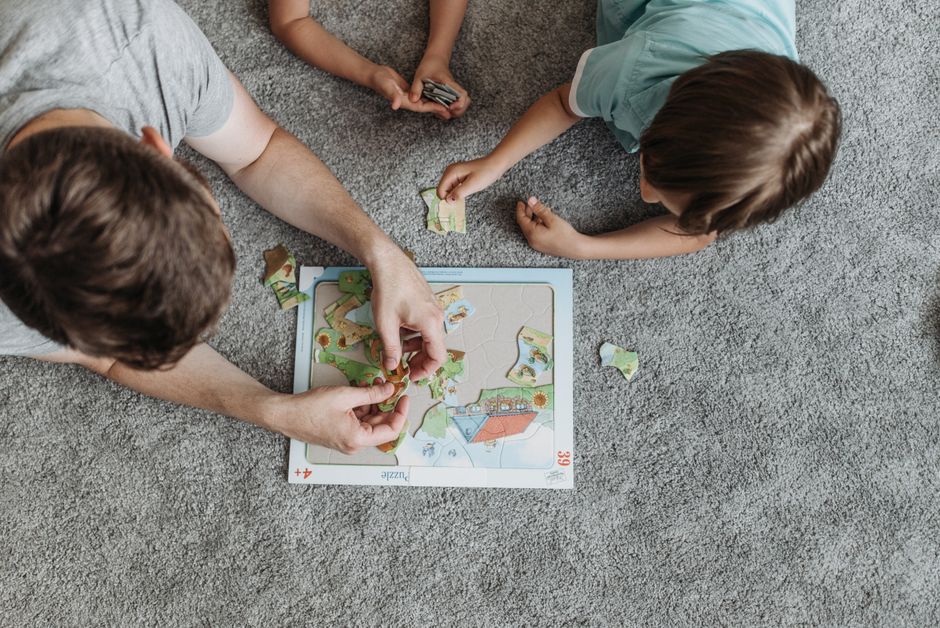
See how fraction practice becomes a playable clockwork mechanism, with calm progress, adaptive challenge and no reward traps.

Educational Screen Time: What Nico’s Train Puzzle Taught Sofia About Stopping Points
Before the timer ends tablet time, ask one question that reveals whether your child is solving, predicting, building or merely tapping.

Should I Stop Screen Time Mid-Challenge When Bedtime Arrives?
When the screen-time timer rings mid-fraction, should play stop? Use a simple test for meaningful learning and calm endings.

Educational screen time vs passive screen time: a practical guide for parents judging what their child is actually doing, including agency, productive difficulty, feedback, and whether learning changes the game world.
Is that learning app truly educational? Use this five-minute parent check to spot agency, useful feedback, real challenge, and meaningful play.

The Five-Minute Challenge That Changes a Child’s World
See what happens in a child’s first five minutes with Jambolino, from profile setup to a world that responds to real learning.
Educational screen time vs digital worksheets: how intrinsic learning games turn solving, decoding, predicting and building into the mechanic rather than placing quiz questions behind rewards.
Learn the five-minute test that reveals whether an educational game builds real skills or hides digital worksheets behind rewards.
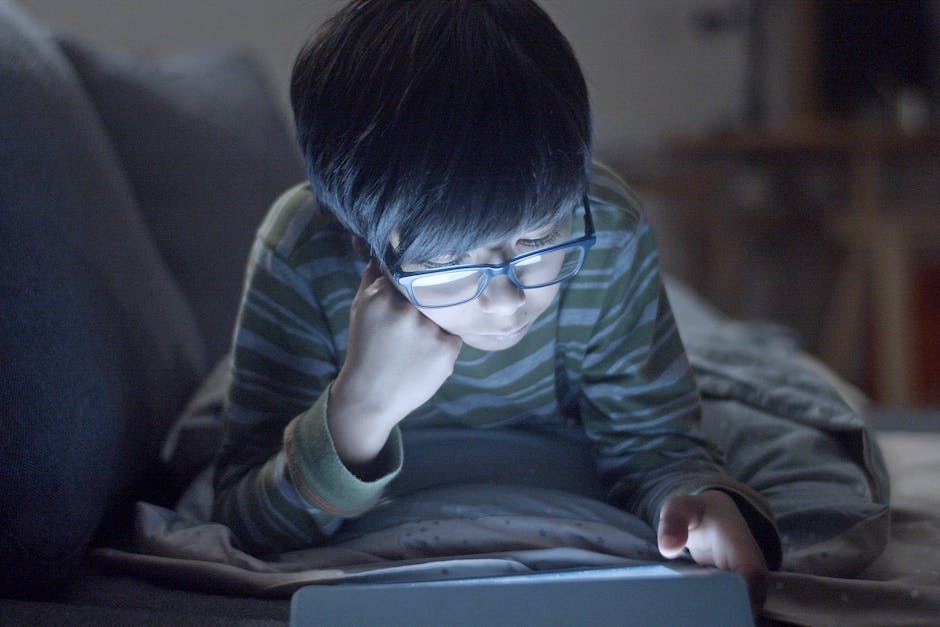
Lena’s tablet dilemma. Another twenty minutes could postpone Theo’s bedtime.
Stop counting every screen minute the same way. Learn how to spot watching, recall, creation, and learning built into play.
Learning Games for Children: How a Train Route Turned Emil’s Thinking Into Play
Tired of school platform logins? Use one simple test to tell whether your child is genuinely thinking or merely clearing screens.

The Copy Galyn Susman Kept at Home, and What Pixar Almost Lost
Give each child a learning world of their own, with progress that survives shared devices, short sessions, and sibling turns.
Intrinsic learning game vs quiz app: a practical parent checklist for spotting whether mathematics, reading, science or coding is the actual mechanic—or merely the toll paid before the reward animation.
Is the learning truly part of the game? Use this parent checklist to spot meaningful play, empty rewards, guessing loops, and real progress.
Educational screen time without the casino playbook: Jambolino versus quiz apps, streak systems and reward-first children’s games.
Choose educational screen time without streak pressure, loot boxes or quiz loops. See what to check and how Jambolino compares.

Can a Visible Finish Line Make It Easier to Hand Back the Tablet?
Can better game endings prevent tablet battles? See how visible completion helps children stop calmly while keeping learning meaningful.
What Is Your Child Thinking About During Quiet Screen Time?
Quiet screen time can hide active learning. See how predicting and repairing a program builds reasoning far beyond passive video.

Educational Screen Time: What Mara’s Failed Train Routes Reveal About Learning
Screen time totals miss the real story. Learn how five simple verbs reveal whether your child watched, guessed, tested or built.

Science Prediction Games: How a Toy Boat Turns Mistakes Into Evidence
What changes when a child’s prediction drives the experiment? Follow a ten-minute boat test that turns screen time into scientific thinking.
Maya’s Wrong Turn. One More Failure Could Make Her Quit Coding.
Coding class or coding game? See how train routes, repeats, branches, and debugging help children learn by doing in a browser.

Did My Child Master the Skill, or Just Complete the Activity?
Points can hide shaky learning. Use four practical checks to see whether your child completed an activity or truly mastered the skill.

Jambolino Free Beta: How Solved Challenges Powered Leo’s First World Upgrade
Try Jambolino free in your browser and see whether real learning can power your child’s first world upgrade in ten minutes.
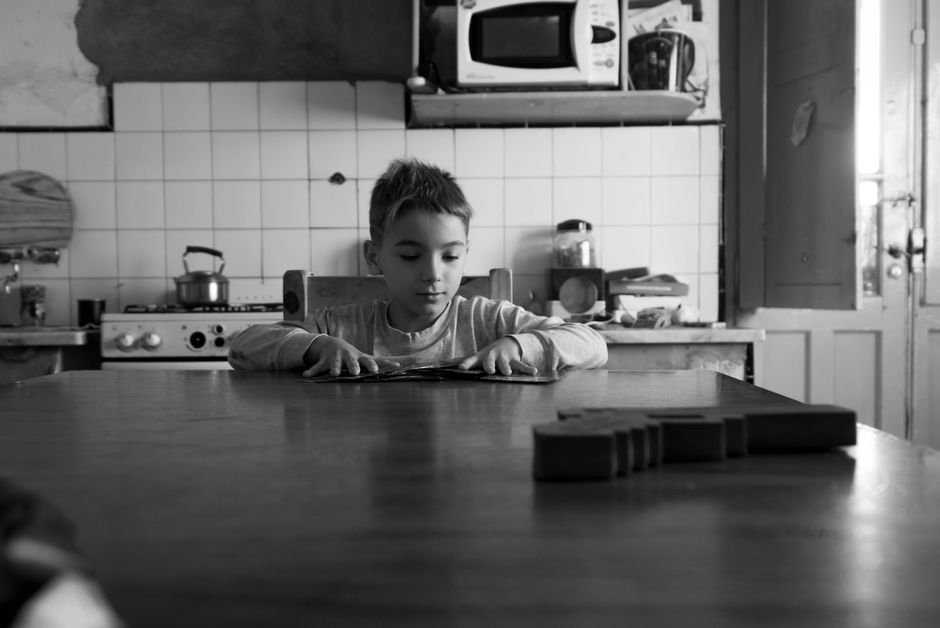
What Happens When a Child Gets Stuck Blending a Word Before School?
When a child gets stuck blending a word, a calm step-down can protect confidence, reveal real progress, and keep reading moving.

Educational Screen Time: How a Ten-Minute Test Left Nico Curious
Can learning screen time feel different? Follow one parent’s browser-first test of Jambolino’s free, ad-free beta.

The Square Canisters That Didn't Fit Apollo 13, and What Was at Stake
See how intrinsic learning games turn fractions, reading and circuits into meaningful play instead of tests placed between rewards.
Maya’s Broken Train Route. One More Failure Could Make Her Quit Coding.
Is that learning app making your child think or merely tap? Use this practical checklist to judge screen time in one short session.
What Did This Screen Ask Your Child to Do?
Screen minutes do not all teach the same thing. Use these practical checks to separate active learning from passive consumption and reward loops.

Equivalent Fractions: How Two Quarters Helped Mara Turn the Lighthouse
See how a stalled lighthouse helps a child grasp equivalent fractions by turning equal amounts into a mechanism they can see and control.

The Final Thirty Seconds of a Children’s Game, and What They Can Cost at Bedtime
Does a kids’ game make bedtime easier or start an argument? Use the final 30 seconds of play to spot manipulative design.

What Is a Learning Game Really Teaching When a Child Reaches for the Daily Reward?
What does a learning game really teach? Watch the first tap and discover whether understanding or reward collection drives the play.
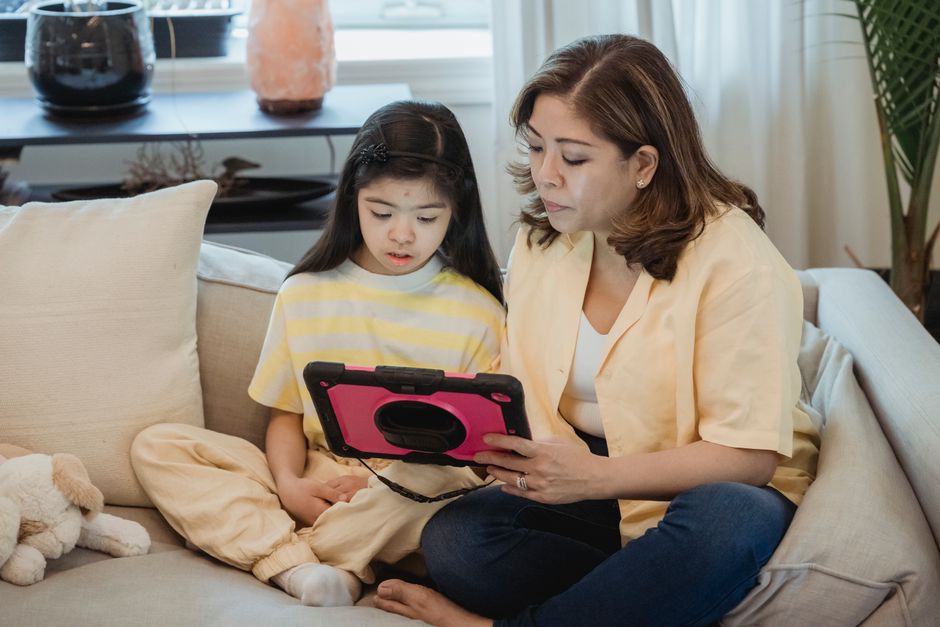
The First Noun After a Child Hands Back the Tablet, and What It Reveals
What a child says after screen time reveals whether a learning game taught mathematics or trained attention on rewards and purchases.

Spelling Bee Practice: Why Marco Stops While Lena Still Wants to Try
Turn spelling-bee-eve practice from a bedtime battle into a short, calm session your child may ask to finish.
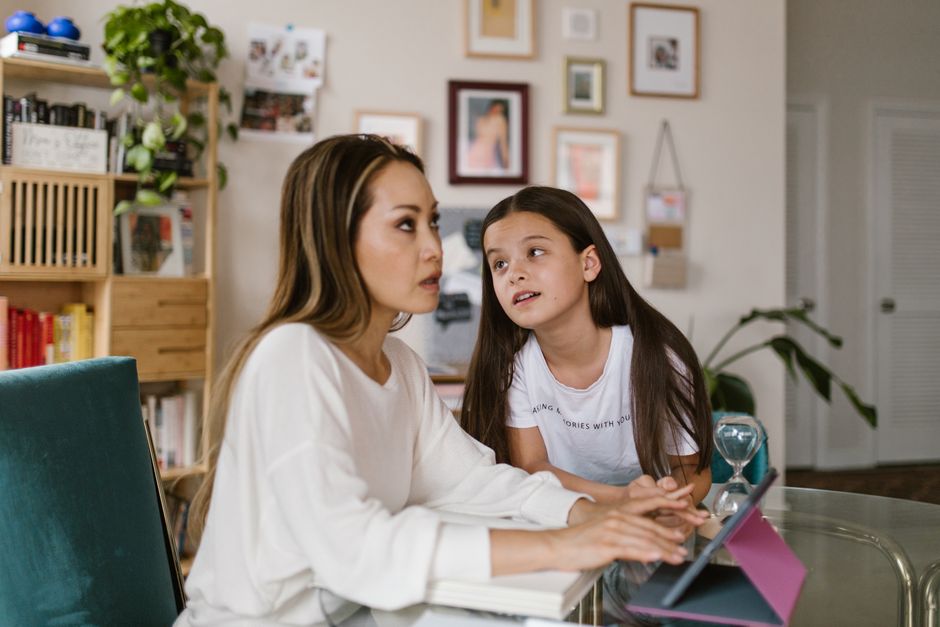
What Does Your Child’s Screen-Time Total Miss After Time’s Up?
Two apps can log the same screen time and leave a child completely different. Here is what to watch when the timer ends.

Educational App Reward Loops: What Maya’s “One More” Revealed About Curiosity
Is “one more” driven by curiosity or a reward loop? Learn the physical cues that reveal what truly holds your child’s attention.
What Happens When Fractions Move the Game Forward?
When fractions repair the machine, extra screen time becomes real maths practice. See what parents should look for in a learning game.

Milo’s Train Is Stranded. One Attempt Remains Before His Sister’s Turn.
Why an unfinished train route can hold a child’s attention longer than flashy rewards, and what that teaches us about learning game design.
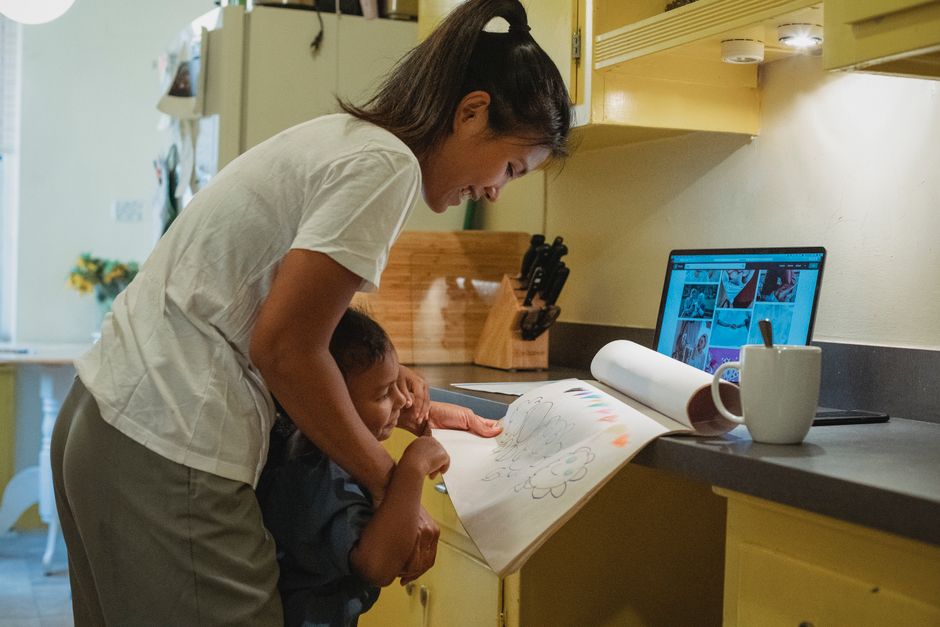
Browser Learning Games: How Zero Setup Made Ten Minutes Count for Maya and Eli
See how browser play turns a fragile after-school gap into ten useful learning minutes, with no download or app-store detour.
The Square Canisters That Didn’t Fit, and What Ten Minutes Can Still Solve
Need ten quiet minutes? Choose screen time where real maths powers the play, without ads, streak pressure or filler.
Ravi's app engineered engagement. Reading became the side quest.
What drives parents to search for ad-free learning games: how to spot learning-first design from engagement-first mechanics.

The Problem with 'Skinner Box' Math Games: Why Jambolino Avoids Repetitive Reward Loops
Skinner Box games train kids to chase rewards, not skills. Why intrinsic motivation matters for real learning.

The Anti-Addictive Loop: How Intrinsic Rewards Keep Kids Coming Back (for Learning)
How Jambolino builds lasting learning motivation through genuine progress instead of streaks and notifications. A look at ethical game design for kids.