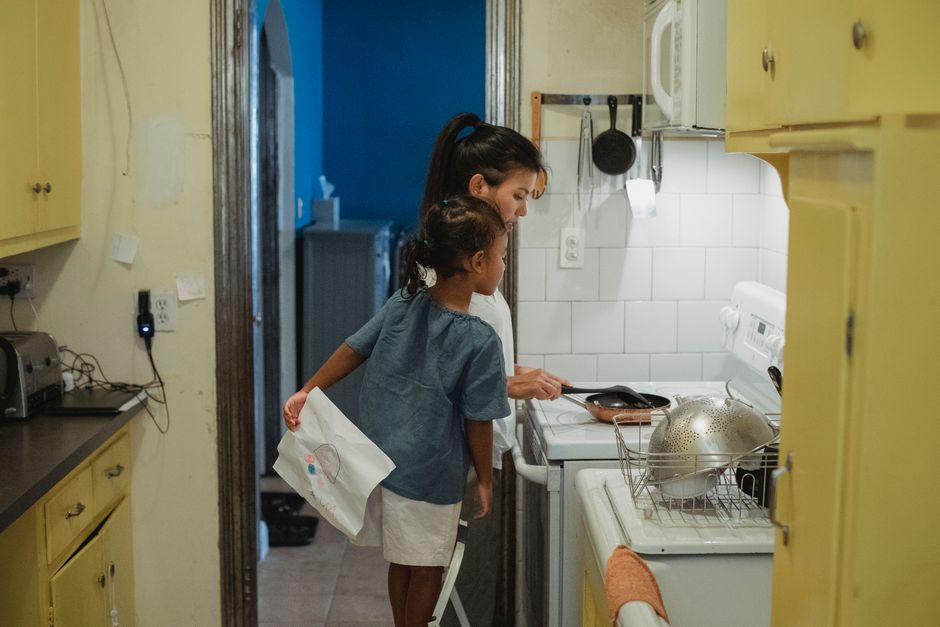
A ten-minute handover works when a child can begin independently, do something worth thinking about, and stop without an ad, purchase prompt, or streak warning pulling them back. The tablet buys a parent a pocket of quiet without selling the child’s attention.
In 1969, Fred Rogers sat before Senator John Pastore’s communications subcommittee in Washington, D.C. Public broadcasting faced a proposed funding cut, and Rogers had only a few minutes to explain why quiet children’s television deserved support.
He did not offer spectacle. He described a program built around patience, feelings, trust, and care. Pastore listened, then said Rogers had earned the requested funding. The exchange is preserved in the U.S. Senate record and the American Archive of Public Broadcasting.
That hearing concerned television, not learning games. Yet the choice inside it still matters at 5:43 p.m., when pasta water is boiling, vegetables need chopping, and a parent has one dry hand.
Quiet can have substance
The easy way to buy ten minutes is to hand over something engineered to prevent stopping. Another video begins automatically. A reward expires soon. A bright badge demands one more visit. The child stays occupied, but the parent inherits the negotiation later.
A better handover has a clear shape: “You can play while I finish dinner.” The child opens one familiar place, works through a few short challenges, and leaves with something complete.
In Jambolino, that might mean routing a train by predicting its program, comparing fractions to repair a clockwork machine, blending sounds in Wordwood, or testing which object will sink. Solving the learning challenge moves the world. There is no quiz round acting as a toll gate before the enjoyable part.
This distinction matters because children quickly notice what the game truly values. If progress comes from tapping through interruptions, they practise tapping through interruptions. If a bridge moves only after they reason about a route, their thinking has visible weight.
For another practical way to judge that difference, ask what your child has to think about to make the game move.
Prepare the handover before the pan gets hot
A useful ten-minute activity should require little adult setup at the moment of need. Create the parent account and child profile earlier. Choose the child’s language and a suitable starting band. Let them hear the instructions once while you are nearby.
Then the dinner handover can stay simple.
“Choose your world. I’ll come back when this is ready.”
Jambolino plays in a browser as a PWA, so there is no download between the child and the first session. The same child profile and progress can also continue in the Android app. Spoken instructions help pre-readers, while large touch targets reduce the need for a parent to lean over and rescue every tap.
The suggested age bands run from 3–5 through 11–14, but the supported core is ages 5–11. The youngest band works best with a parent beside the child, and the oldest remains experimental. That caveat matters. A ten-minute handover should fit the child in front of you, rather than a broad promise printed on a landing page.
Adaptive challenges aim for productive difficulty. A child can test out of material they already know, receive review where needed, and step down gently after repeated struggle. Each child profile keeps its own mastery and persistent world, which helps when siblings share the same tablet.
Remove the hooks that outlast dinner
“No ads” solves one obvious problem. It prevents a learning session from becoming a delivery system for somebody else’s toy, snack, or app.
The quieter hooks deserve equal attention. Jambolino has no in-app purchases, loot boxes, public child profiles, or chat. It does not use countdowns or streak loss to turn tomorrow’s return into today’s anxiety. During the current beta, it is free, with no subscription announced.
Children still earn things. They solve real challenges to gain world-specific currency, build structures, enter completed buildings, and restore persistent worlds. The reward reflects what they accomplished. It does not arrive from a spinning wheel.
Parents can review actual skill progress and receive weekly email digests. Session summaries and mastery badges offer a natural stopping point, followed by a welcoming return later. What happens when a children’s game ends without loot boxes? explores why that ending changes the next conversation.
Make the stopping point part of the plan
When dinner is ready, name the boundary plainly: finish the current challenge, look at what changed, then put the tablet down. A visible restoration, completed structure, or session summary gives the child somewhere to stop without pretending the wider world has vanished.
Rogers defended a children’s space that could hold attention through calm purpose rather than commercial pressure. More than half a century later, the kitchen version of that decision is smaller but recognizable.
Set up one child profile before the next rushed evening. When the cutting board is crowded and only one hand is free, offer ten minutes with a defined ending. The tablet can return quiet to the room, then return to the counter.
Comments
No comments yet.