Topic
parenting

Priya’s timer-only rule meets Arlo’s counting challenge. Bedtime starts to slide.
For ages 2–5, choose calm learning games, play alongside your child and make stopping part of the experience, not a battle.

Educational Screen Time: What Elsie’s Fractions Challenge Taught Her Dad About Stopping
Learn how to tell when educational screen time earns its place, from intrinsic motivation and pacing to ad-free design and clear stopping points.
The Game With No Streaks, and What That Changes When Bedtime Arrives
Make children’s learning games easier to stop: no ads, loot boxes or streak pressure, with real progress parents can review.

The Game With No Chat, and What Parents Could Still Overlook
Ofcom’s gaming advice offers a simple parent checklist for safer, calmer learning games without chat, ads, pressure or loot boxes.

Plastic Bags and Tape, and Why Some Children’s Apps Make Stopping Hard
Why autoplay and reward loops make children’s apps hard to stop, and how calmer learning design gives families a better pause.

The Ten-Minute Game Request Hannah Couldn’t Safely Approve, and What It Risked
Ofcom’s findings on strangers, violence and bullying show why ad-free, chat-free learning apps can make screen-time rules clearer.

Children’s learning apps: Priya’s tablet test showed why safe design builds trust
Ofcom’s latest findings show what parents worry about in gaming, and how safer, ad-free learning apps can make trust easier.
The Square Canister Apollo 13 Needed, and What It Almost Cost the Crew
Use this five-minute test to see whether a learning app’s play survives after badges, chests, streaks, and collectibles disappear.
Mina’s Tablet Dilemma. Theo’s Reward Loop Before Dinner.
A one-question screen-time audit for parents: spot whether an activity asks children to notice, remember, reason, or keep watching.
The Monday Screen That Can Make a Child Feel Behind
Reopen a children’s game after a missed weekend. Its first message reveals whether it welcomes, pressures, sells, or shames.

Blog: What is intrinsic learning in children’s games? A parent’s guide to spotting whether learning operates the game—or merely unlocks the next reward.
Learn how to spot children’s games where real thinking drives play, not rewards, quizzes, and chance-based distractions.
Educational screen time is not a content label: a parent’s guide to distinguishing intrinsic learning mechanics from quizzes, videos and rewards placed around schoolwork.
Learn how to spot screen time where real learning drives play, and avoid quizzes and rewards that only decorate schoolwork.

The First Step the Child Couldn’t Explain, and What the Finished Worksheet Hid
AI can finish homework fast. Learn how to spot the difference between a completed worksheet and real understanding.
The One Shoe Lena Still Had On, and What Milo’s Screen Time Almost Cost
Make after-school screen time count. Learn how to spot active learning games without ads, loot boxes, or endless reward loops.
What Should Happen When a Child Misses Fractions Twice Before Device Time Ends?
What should happen when a child gets stuck before device time ends? A calmer approach to adaptive learning and tomorrow’s return.
Educational Software Design: What Maya’s Double Counting Taught Her
Screen limits matter, but better educational software makes the learning action worth a child’s attention.

What Happens When Your Child Cannot Explain the First Step?
A finished AI worksheet can hide a learning gap. Use these practical prompts to help children explain, practise, and retain the first step.
Blog: What is an intrinsic learning game? A practical guide to telling whether learning operates the game itself or merely unlocks another round of entertainment.
Learn how to spot learning games where thinking drives the action, with practical checks for feedback, rewards, adaptation, and child safety.

Blog: “How to evaluate a coding game for children beyond screen-time limits” — give parents a practical checklist covering deterministic learning, age adaptation, private profiles, no chat, no ads, no purchases and no public marketplace.
A parent’s practical checklist for choosing a coding game with real learning, safe profiles, and no ads or purchases.

What Makes Your Child’s App So Hard to Stop?
What happens when screen time ends? Learn how calm stopping points protect progress and make tablet handoffs easier.
Jambolino Before Dinner: How Theo’s Saved Progress Made the Table Handoff Easier
Turn the ten minutes before dinner into a calm, purposeful play break with an ending that does not start a fight.

The Square Canisters Apollo 13 Needed, and What Was at Stake
Try the tablet hand-back test to see whether your child returns for rewards, scores, or a problem they genuinely want to solve.

Learning Games: What the Cover-the-Meter Test Reveals About Screen Time
A simple test helps parents spot when a learning game is teaching skills, or training children to chase mystery rewards.
Priya’s Dinner Rush. Eli’s Endless Feed Could Reach the Table
Turn pre-dinner screen time into a short, active handover with a visible finish instead of an endless scroll.
The Tuesday Tablet Handover Checklist
Use this five-point checklist to make Tuesday tablet time quick to start, genuinely educational, and easier to end.
Mina’s dark circuit. Dinner depends on finding the break.
Screen time can leave more than a time count. Learn how visible outputs help children explain, revise, and finish play well.
The Reward Wheel That Could Make Learning Feel Less Worth Doing
Use one simple question to tell whether a learning game builds curiosity or relies on reward-wheel attention.
Children’s Tablet Time: What a Train Route Taught Lena’s Son About Problem Solving
After the holiday, use this simple test to tell whether your child’s tablet time built a skill or merely filled the hours.
The Finished Circuit Challenge, and Why It Makes Screen Time Easier to End
Short screen sessions end more calmly when kids finish a meaningful challenge before the timer runs out.
Ana Needs Ten Minutes. Milo’s Tablet Time Must End Without a Fight
Ten quiet Saturday minutes can give parents breathing room while children practise real skills through purposeful play.
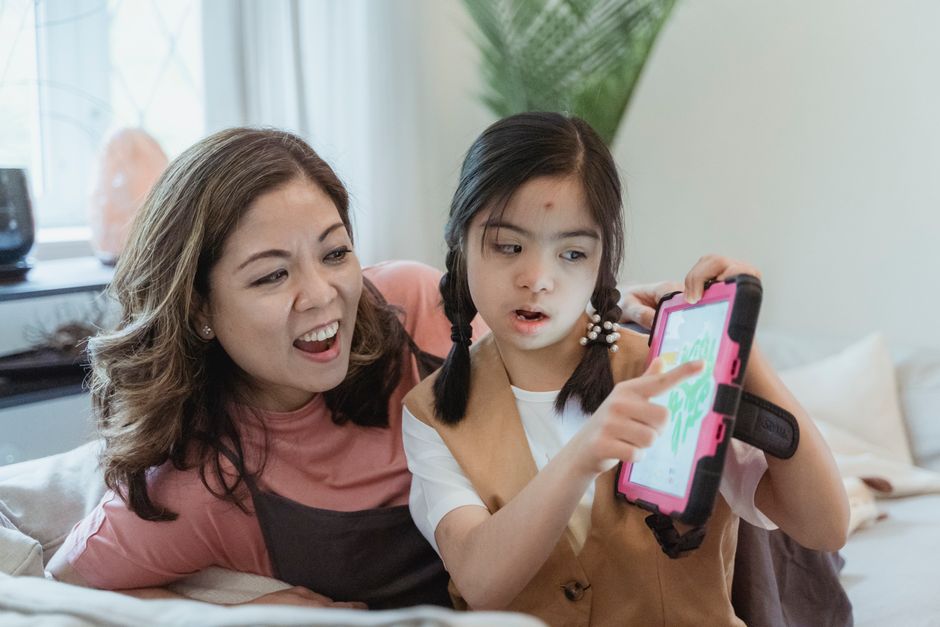
Play-based learning versus reward-based learning: a parent’s checklist for spotting whether the science experiment, melody or coding route is the lesson—or merely decoration around a quiz
Use this parent checklist to tell whether a learning game makes science, music, or coding the activity, or hides a quiz behind rewards.
What Does Your Child Need to Do to Unlock the Next Room?
A practical parent test for educational screen time: trace what a child must do to unlock the next in-game change.
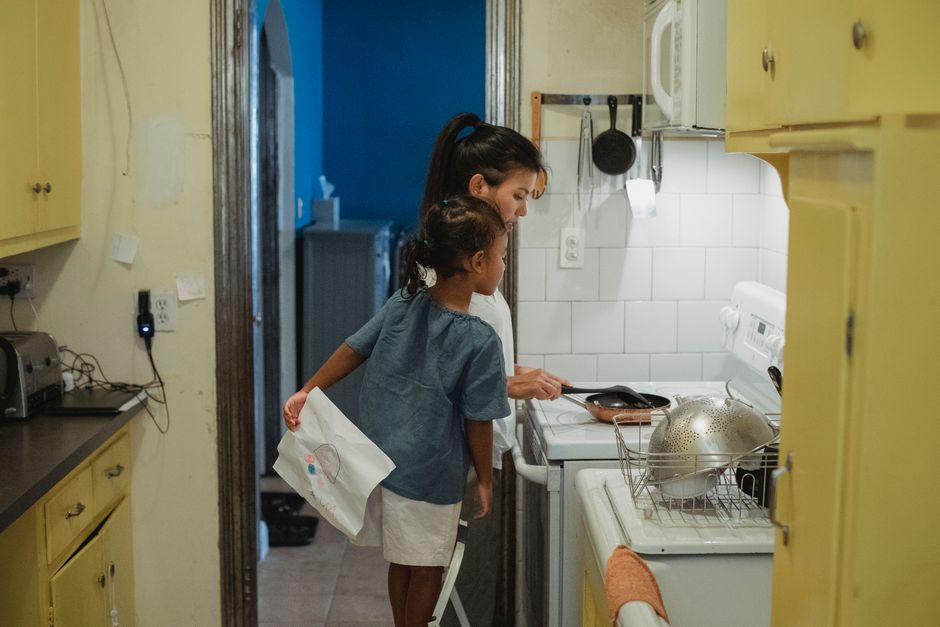
The Five Minute Train Route That Makes Dinner Easier
Why a five-minute Signal Works train route can be a calm, meaningful before-dinner screen-time choice.

Weekly learning check-ins: What Leo’s wrong turn taught Priya about progress
Turn ten minutes of screen time into visible learning with a simple Sunday check-in built around one named skill.
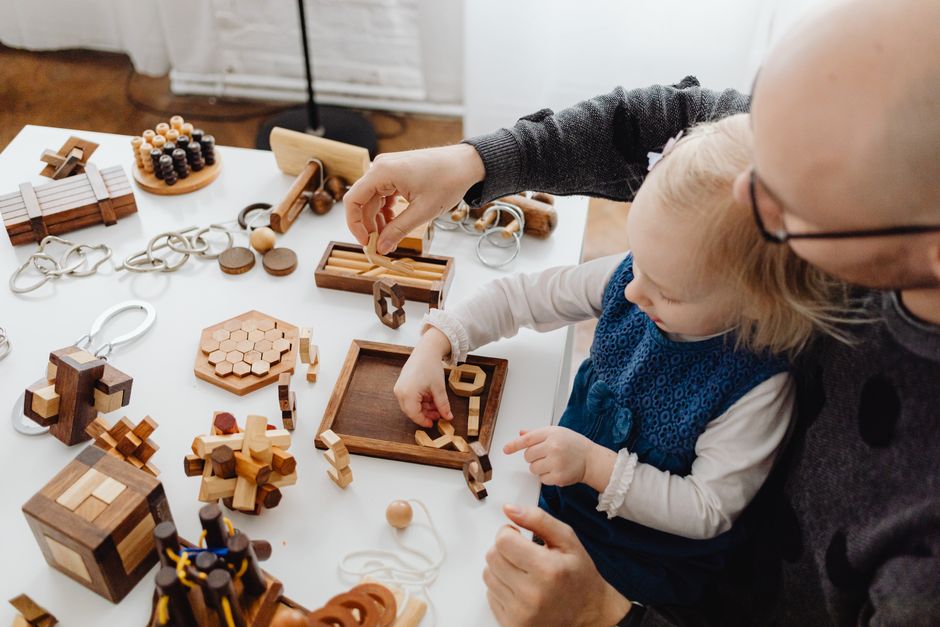
The Square Canisters Apollo 13 Needed, and What They Nearly Cost the Crew
Screen time means more when a child is solving, practising, and finishing something real. Here’s how to tell the difference.
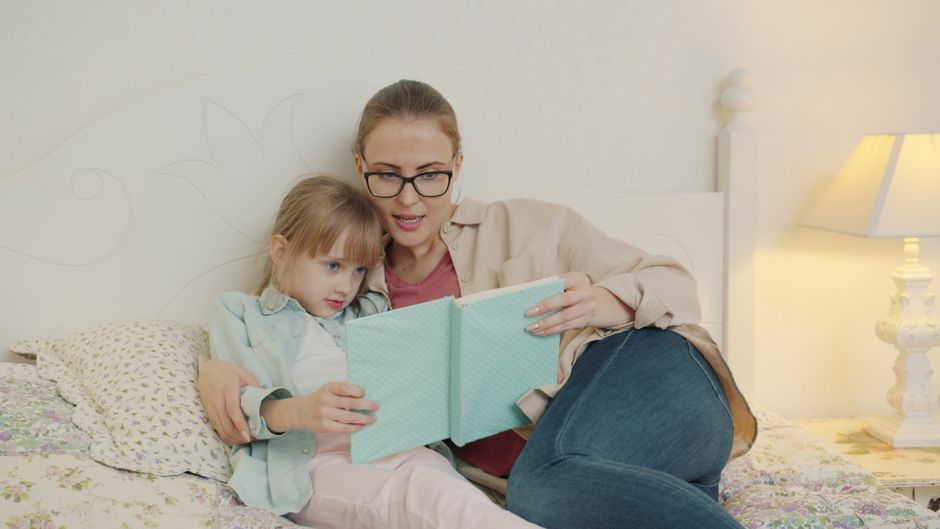
Amira reads every word. The story is still locked behind them.
Your child can read every word and still miss the story. Learn simple ways to build meaning alongside phonics.

What Does a Wi-Fi Switch-Off Reveal About Why Your Child Returns to a Game?
Switch off Wi-Fi for one Saturday and listen closely. Your child’s first objection may reveal what their favorite games are really training.

Learning Games for Children: What “One More Try” Reveals About Curiosity
“One more prize” and “I need to see if the bulb lights” reveal two very different reasons children resist ending screen time.

A parent’s checklist for choosing a children’s learning game: no ads, no loot boxes, no streak punishment, real adaptive mastery, and progress you can verify.
Use this practical checklist to spot safe learning games that adapt well, avoid manipulative rewards, and show parents real progress.

Lena’s after-school screen fatigue. One train route could end in conflict.
Another screen after school? Use this practical five-minute check to tell active, purposeful play from an activity that adds strain.

Mara’s Stranded Train. Twenty Minutes to Fix the Program.
Can twenty minutes of screen time build coding skills? Follow a child as repeat instructions and debugging bring a stranded train home.
Can a Tablet Buy Ten Quiet Minutes Without Selling Your Child’s Attention?
Need ten quiet minutes to finish dinner? Choose screen time that builds real skills without ads, purchases, loot boxes, or streak pressure.

Learning Games for Children: How Meaningful Endings Make It Easier to Stop
Try the tablet hand-back test to see whether a learning game offers real closure or keeps pulling your child into one more round.

The Five Silent Minutes That Reveal What a Learning Game Is Really Training
Try this silent five-minute tablet test to see whether your child is reasoning through a learning game or chasing its rewards.

What Can My Child Really Learn in 20 Minutes Before Dinner?
Only 20 minutes before dinner? Use this practical checklist to choose screen time that gives your child genuine skill practice.
Mina’s Rocket Runs on Quizzes. One More Wrong Answer Ends the Round.
Is that learning game playful, or a worksheet wearing rewards? Use one simple test to see what your child is actually learning.
Educational Screen Time: How an Unfinished Machine Made Maya Ask to Return
What makes a child choose educational screen time? See how math, visible progress, and a persistent world can replace nightly bargaining.

Educational Screen Time: What Nico’s Train Puzzle Taught Sofia About Stopping Points
Before the timer ends tablet time, ask one question that reveals whether your child is solving, predicting, building or merely tapping.

Should I Stop Screen Time Mid-Challenge When Bedtime Arrives?
When the screen-time timer rings mid-fraction, should play stop? Use a simple test for meaningful learning and calm endings.

Educational screen time vs passive screen time: a practical guide for parents judging what their child is actually doing, including agency, productive difficulty, feedback, and whether learning changes the game world.
Is that learning app truly educational? Use this five-minute parent check to spot agency, useful feedback, real challenge, and meaningful play.

Computational Thinking for Kids: How Leo Learned to Debug a Train Route
Forget guessing which jobs AI will spare. See how train-routing play helps children practise prediction, debugging, and flexible thinking.
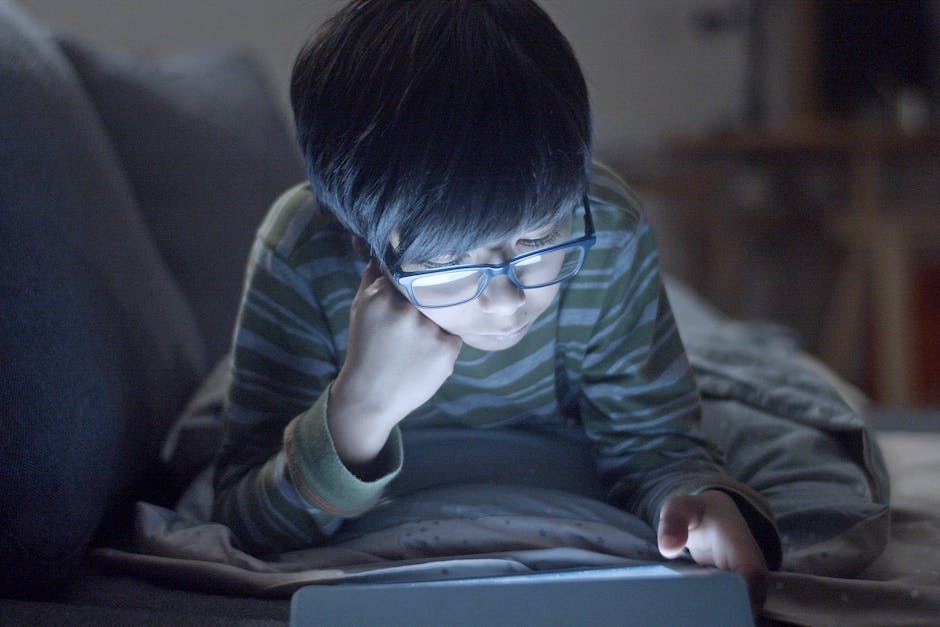
Lena’s tablet dilemma. Another twenty minutes could postpone Theo’s bedtime.
Stop counting every screen minute the same way. Learn how to spot watching, recall, creation, and learning built into play.

Should I Stop the Timer When My Child Is Revising a Prediction?
Before ending tablet time, ask one question that reveals whether your child is merely tapping or genuinely thinking, testing, and learning.
Learning Games for Children: How a Train Route Turned Emil’s Thinking Into Play
Tired of school platform logins? Use one simple test to tell whether your child is genuinely thinking or merely clearing screens.

Can Ten Minutes of Tablet Time Hold Attention Without Exploiting It?
Need ten quiet minutes? Learn how to choose tablet play that holds a child’s interest without ads, loot boxes or streak pressure.

Ad-Free Children’s Games: What a Purchase Prompt Taught Lina About Calm Play
When a free game turns bedtime into a sales negotiation, use this parent checklist to find calmer play without loot boxes or streak pressure.

Educational screen time without the casino playbook: Jambolino versus quiz apps, streak systems and reward-first children’s games.
Choose educational screen time without streak pressure, loot boxes or quiz loops. See what to check and how Jambolino compares.

Can a Visible Finish Line Make It Easier to Hand Back the Tablet?
Can better game endings prevent tablet battles? See how visible completion helps children stop calmly while keeping learning meaningful.

Educational Screen Time: What Mara’s Failed Train Routes Reveal About Learning
Screen time totals miss the real story. Learn how five simple verbs reveal whether your child watched, guessed, tested or built.
The Floating Object Mateo Didn’t Expect, and the Idea It Left Behind
When ten quiet minutes become a real science investigation, one simple parent test reveals whether screen time is helping a child think.
Maya’s Wrong Turn. One More Failure Could Make Her Quit Coding.
Coding class or coding game? See how train routes, repeats, branches, and debugging help children learn by doing in a browser.
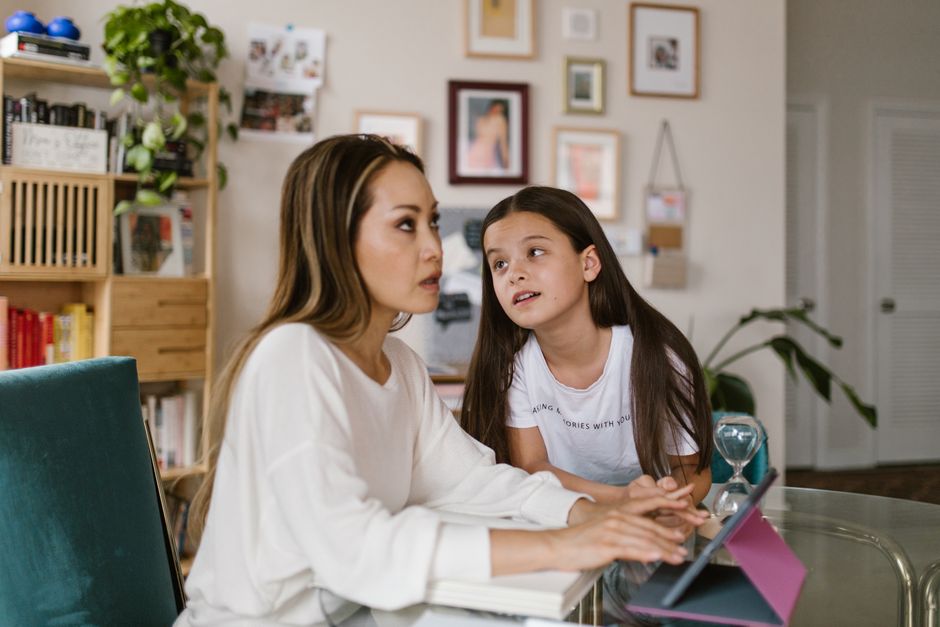
What Does Your Child’s Screen-Time Total Miss After Time’s Up?
Two apps can log the same screen time and leave a child completely different. Here is what to watch when the timer ends.
The Square Canisters That Didn’t Fit, and What Ten Minutes Can Still Solve
Need ten quiet minutes? Choose screen time where real maths powers the play, without ads, streak pressure or filler.

Priya’s rainy-day trade. Twenty quiet minutes without empty screen time.
Can rainy-day screen time build real skills? Learn how to spot games where solving sums matters more than opening prize boxes.