Five focused minutes before dinner can earn an easy yes when the activity has a clear stopping point, a real challenge to finish, and no bait to keep a child tapping. A short Signal Works route gives a child time to think, try, see the train move, and leave with a completed piece of work.
The route has a finish line
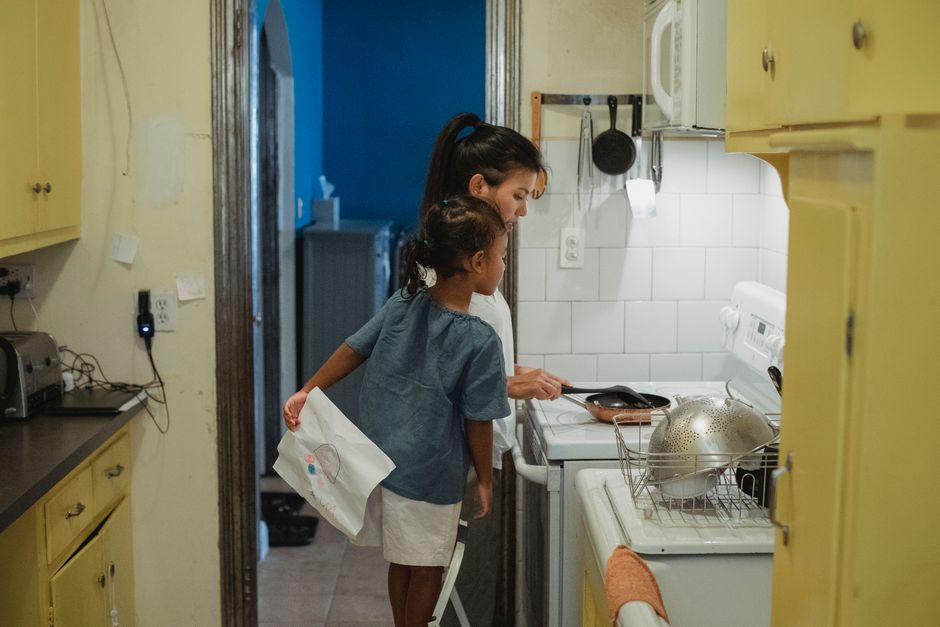
The pan is warm, something needs stirring, and your child asks for one more train route. That request feels different when “one more” means a contained challenge rather than an open-ended feed of rewards.
In Signal Works, a child arranges instructions, predicts what a train will do, or repairs a route so it reaches its destination. The task ends when the route runs and the result is clear. A successful attempt can light the railway scene; an incorrect one gives the child a chance to see where the train went wrong and try again. There is a natural moment to say, “That route is finished. Dinner is ready.”
That matters at the stove. Parents do not need a second negotiation over a countdown, a streak, a surprise prize, or a screen designed to turn five minutes into twenty. Jambolino has no ads, loot boxes, in-app purchases, or streak punishment. The reward is tied to the work: a route works, a machine wakes up, a place in the child’s world grows.
A small constraint can focus a real problem
In 1970, the Apollo 13 crew had a problem with no room for a grand solution. After the spacecraft’s accident, the lunar module had to support Jim Lovell, Jack Swigert, and Fred Haise. Carbon dioxide was building up, and the command module’s square lithium hydroxide canisters did not fit the lunar module’s round openings.
Engineers at Mission Control in Houston had to work with materials already available aboard the spacecraft. The outcome was uncertain while the crew depended on that improvised adapter. NASA’s Apollo 13 mission history documents how the ground team developed a way to make the square cartridges work in the lunar module, helping keep the crew alive on the journey home.
The stakes at a kitchen counter are mercifully smaller. The shape of the problem is familiar: a limited window, a defined task, and a child who needs enough time to reach a meaningful ending. A five-minute activity works best when it gives the child one solvable problem, rather than asking them to manage a sprawling system of points and interruptions.
A clean boundary does not make learning shallow. It makes the session easier to begin and easier to end.
Let the child own the last move
The useful version of “one more” is specific. One route. One repair. One chance to test a prediction.
If your child is midway through a Signal Works challenge, try naming the boundary before they begin: “You can finish this train route while I make dinner.” That sets an expectation without turning the tablet into a bargaining chip. When the train reaches its destination, invite them to show you the choice that made it work. A child may say they used a repeat, changed an instruction, or noticed a branch sent the train the wrong way.
That small conversation does more than ask whether they “got it right.” It puts attention on the reasoning that powered the result. What Did Your Child Work Out to Make That Happen? explores why that question can reveal more than a score ever could.
Jambolino adapts challenges to a child’s mastery and schedules review, so a short session can still contain work at an appropriate level. If a child is repeatedly struggling, the challenge can step down gently. If the material is too easy, skip-ahead checks and optional placement can help them move on. The aim is productive difficulty, with a visible ending.
A good ending makes tomorrow easier
The most valuable part of a short session may be the ending. Your child gets to leave after completing something real, not after a manufactured near-miss tells them they are one tap away from the next reward.
That creates a calmer pattern around screens. Dinner can begin. The tablet can be put down. The child’s persistent world remains there for another day, with their own progress saved under their profile. There is no penalty for leaving.
Apollo 13’s ground team did not solve every problem at once. They addressed the immediate constraint with the materials and time available, then moved to the next decision. Five minutes before dinner can work the same way: give the child one route worth finishing, let them see the result, and let the session end cleanly.
Comments
No comments yet.