Topic
educational-screen-time

Nia’s balance challenge. The Smart Board stays dark.
When a classroom screen goes dark, purposeful digital learning can continue through real objects, questions, and play.

Educational app progress tracking: How Weekly Digests Show Skills That Advanced
See how weekly skill digests help parents track real learning progress while a child’s Jambolino world continues on Android.

Leo’s Train Hits a Dead End. The Answer Would End His Thinking.
A wrong answer can become a smaller challenge, helping children rebuild understanding instead of simply seeing the solution.

Phonics practice or reading game? A parent’s checklist for spotting whether decoding is the actual mechanic—or merely the toll paid to unlock prizes.
Use this parent checklist to spot phonics games where real decoding drives the play, and avoid reading practice buried under prizes.

What Happens When Spelling Helps Bring a Forest Back to Life?
Why spelling practice feels different when each word helps restore a living forest instead of filling another quiz bar.
Educational screen time is not a content label: a parent’s guide to distinguishing intrinsic learning mechanics from quizzes, videos and rewards placed around schoolwork.
Learn how to spot screen time where real learning drives play, and avoid quizzes and rewards that only decorate schoolwork.

The Five Minute Gap That Could Turn Leaving Into a Negotiation
A five-minute learning session can end calmly when progress persists and no streak punishes a child for leaving.

Educational screen time versus recreational screen time: why content labels matter less than what a child must actually think, decode, predict or build on every tap
A practical way to judge kids’ screen time: watch what each tap asks them to think, decode, predict, or build.

Priya’s last-minute screen-time test. No new argument at 7:45.
Try a child learning game without ads, purchases, chat, or public profiles, and see what one calm browser session can feel like.

What should happen when educational screen time ends? An SEO guide to humane stopping design covering persistent progress, welcoming returns, reduced motion, session summaries and the absence of countdowns, streak loss and manipulative rewards.
Learn how humane educational apps save progress, welcome returns, and make screen-time endings calmer for children and parents.
What Should Happen When a Child Misses Fractions Twice Before Device Time Ends?
What should happen when a child gets stuck before device time ends? A calmer approach to adaptive learning and tomorrow’s return.

The Weekly Parent Digest, and the Question It Finally Answers
See how server-graded mastery and weekly parent digests make a child’s learning progress clear after every play session.
Eli’s stalled railway needs fixing. Dinner is close.
Try Jambolino in one browser tab this week and see whether ad-free learning play fits your family’s routine.
What makes screen time educational? A practical guide to intrinsic learning, where counting, decoding, experimenting and programming are the actions that move the game forward.
Learn how to spot educational screen time by checking whether real thinking, not rewards, moves the game forward.
Jambolino Before Dinner: How Theo’s Saved Progress Made the Table Handoff Easier
Turn the ten minutes before dinner into a calm, purposeful play break with an ending that does not start a fight.
Mina’s circuit is still dark. Dinner is late.
Use the chopping-board test to tell whether a kids’ app builds real thinking or simply keeps children tapping.
What Happens When Tablet Time Has a Visible Finish Line?
Turn the 20 minutes between dinner and bedtime into one complete learning mission with a clear, satisfying stopping point.
After-School Screen Time: What a Visible Finish Taught Leena About Better Tablet Use
Make after-school tablet time count with learning activities that give children real problems, clear endings, and progress parents can see.
Comparing Fractions: How Nia Lit a Lighthouse by Finding the Fuller Container
See how a half-lit lighthouse can make comparing fractions feel worth solving, without ads, streak pressure, or empty rewards.
Eli’s bedtime pressure. Progress waits until tomorrow.
Bedtime tablet time can end without streak pressure, expiring prizes, or a fight. Here is how a safe stopping point helps.
What Happens When One Circuit Challenge Replaces the After-School Video?
Turn ten minutes before dinner into a calmer reset with a real circuit challenge and a clear stopping point.
What Does Your Child Need to Do to Unlock the Next Room?
A practical parent test for educational screen time: trace what a child must do to unlock the next in-game change.
The Five Minute Train Route That Makes Dinner Easier
Why a five-minute Signal Works train route can be a calm, meaningful before-dinner screen-time choice.
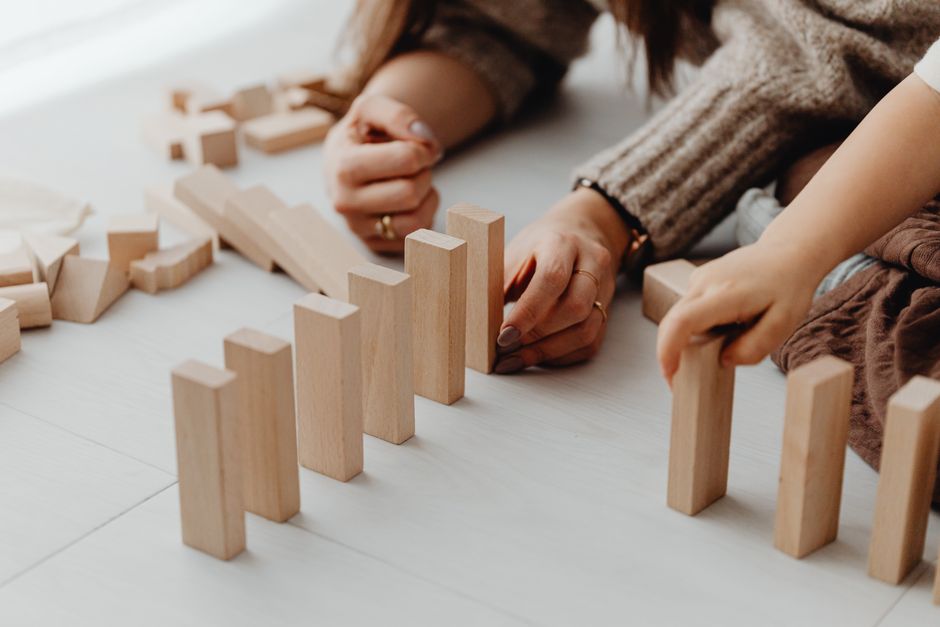
What Can Your Child Do When You Change One Part of the Tablet Activity?
Three quick questions that reveal whether your child’s tablet session built recall, reasoning, and transferable learning.

Weekly learning check-ins: What Leo’s wrong turn taught Priya about progress
Turn ten minutes of screen time into visible learning with a simple Sunday check-in built around one named skill.

Children's Learning Games: What an Ad Before Play Costs a Parent
Before handing over the tablet, use this simple test to spot learning games that trade your child’s attention for ads.

Learning Games for Children: What “One More Try” Reveals About Curiosity
“One more prize” and “I need to see if the bulb lights” reveal two very different reasons children resist ending screen time.

Educational screen time vs intrinsic learning: how to tell whether learning drives the play or merely unlocks the next game.
Use a ten-minute parent audit to spot real intrinsic learning, empty reward loops, useful mistakes, and screen time worth keeping.
What If Every Screen Session Had One Purpose Before the Week Began?
Turn weekly screen-time arguments into a five-minute Sunday ritual with clear space for maths, reading, logic, and rest.

Tablet History Audit: What Ravi’s 22 Minutes Taught Priya About Meaningful Practice
Your child spent 20 minutes in an educational app. Here is how to tell how many of those minutes involved real learning.

Mara’s Stranded Train. Twenty Minutes to Fix the Program.
Can twenty minutes of screen time build coding skills? Follow a child as repeat instructions and debugging bring a stranded train home.
Can a Tablet Buy Ten Quiet Minutes Without Selling Your Child’s Attention?
Need ten quiet minutes to finish dinner? Choose screen time that builds real skills without ads, purchases, loot boxes, or streak pressure.

Learning Games for Children: How Meaningful Endings Make It Easier to Stop
Try the tablet hand-back test to see whether a learning game offers real closure or keeps pulling your child into one more round.

The Five Silent Minutes That Reveal What a Learning Game Is Really Training
Try this silent five-minute tablet test to see whether your child is reasoning through a learning game or chasing its rewards.
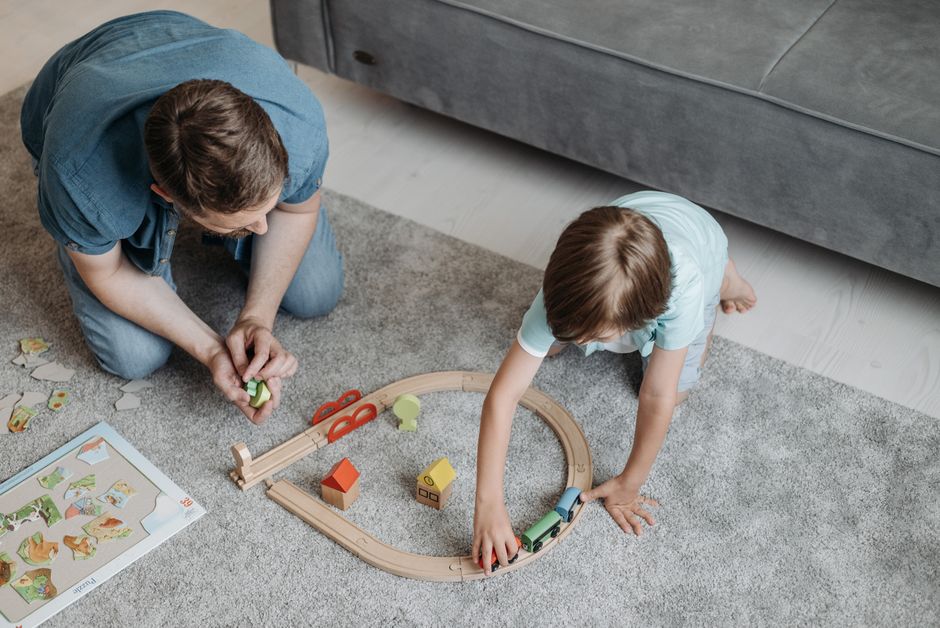
Luca’s Train Is Stuck. One Attempt Remains Before Tablet Hand-Back.
Before choosing a learning game, use three simple questions to find out whether your child remembers the thinking or only the prize.

What Can My Child Really Learn in 20 Minutes Before Dinner?
Only 20 minutes before dinner? Use this practical checklist to choose screen time that gives your child genuine skill practice.

Fraction Learning Games: What Theo’s Waterwheel Reveals About Meaningful Play
Remove the fraction from a learning game. Does the play still work? Use this simple test to spot real learning mechanics.
Mina’s Rocket Runs on Quizzes. One More Wrong Answer Ends the Round.
Is that learning game playful, or a worksheet wearing rewards? Use one simple test to see what your child is actually learning.

Does This Coding Game Teach Your Child to Think, or Just Keep Them Tapping?
Some coding games teach real problem-solving. Others reward tapping. Use this five-minute test to tell which kind your child is playing.

Learning Games: How Maya’s Reasoning Restored a Persistent World
See how Jambolino turns maths, reading, science and coding into the actions that make a child’s persistent world grow.
Maya’s Clockwork Lift Is Stuck. Her Subtraction Must Set It Free.
Kids see through quiz apps dressed as games. Learn the one-minute test that reveals whether thinking truly powers the play.
Educational Screen Time: What Lea’s Fraction Reasoning Showed Tobias About Progress
Screen minutes reveal little. See how a parent digest can connect fraction play to visible skill growth and better family conversations.
Elena’s Install Button. One Tap Could Turn the Tablet Into a Daily Negotiation.
Set up a new kids’ tablet in 15 minutes with one rule that helps you choose games where thinking drives every move.
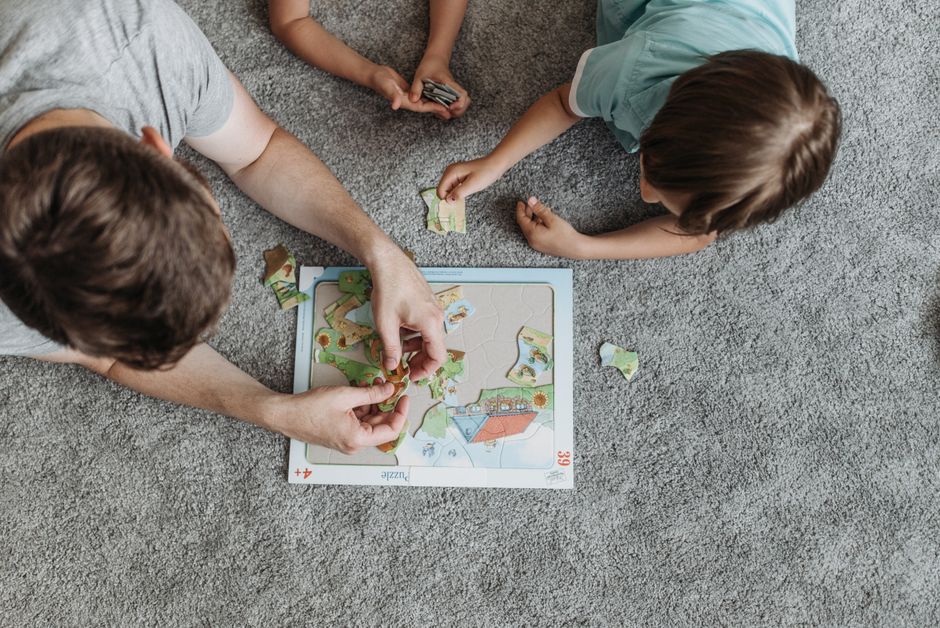
What Does My Child Have to Think About to Make the Game Move?
See how fraction practice becomes a playable clockwork mechanism, with calm progress, adaptive challenge and no reward traps.
Educational Screen Time: How an Unfinished Machine Made Maya Ask to Return
What makes a child choose educational screen time? See how math, visible progress, and a persistent world can replace nightly bargaining.
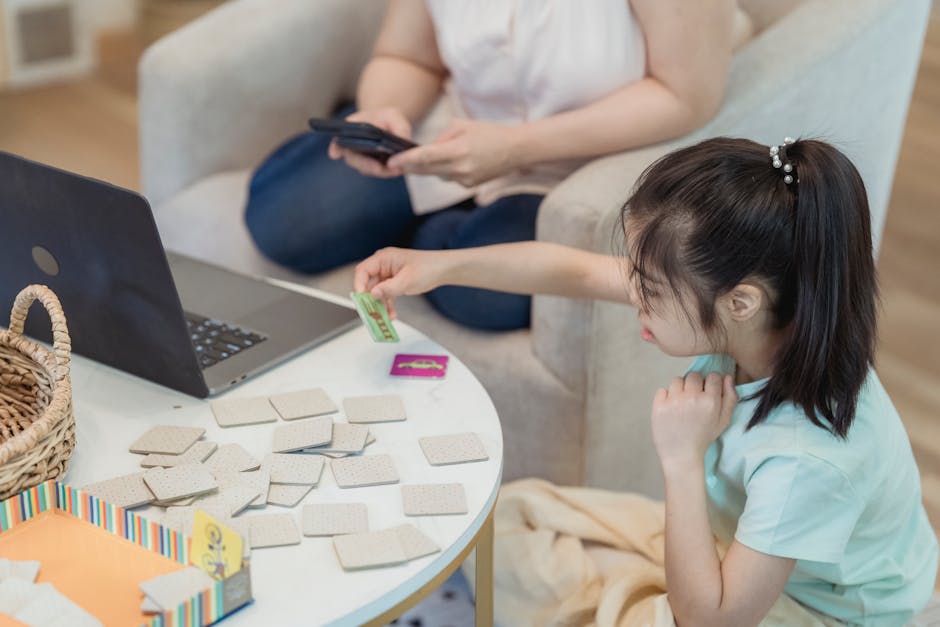
What Happens When You Replace the Summer Timetable With One Prepared Choice?
Drop the rigid summer timetable and try one inviting five-minute challenge that lets curiosity, choice and real problem-solving lead.

Educational Screen Time: What Nico’s Train Puzzle Taught Sofia About Stopping Points
Before the timer ends tablet time, ask one question that reveals whether your child is solving, predicting, building or merely tapping.

Should I Stop Screen Time Mid-Challenge When Bedtime Arrives?
When the screen-time timer rings mid-fraction, should play stop? Use a simple test for meaningful learning and calm endings.

Educational screen time vs passive screen time: a practical guide for parents judging what their child is actually doing, including agency, productive difficulty, feedback, and whether learning changes the game world.
Is that learning app truly educational? Use this five-minute parent check to spot agency, useful feedback, real challenge, and meaningful play.

The Five-Minute Challenge That Changes a Child’s World
See what happens in a child’s first five minutes with Jambolino, from profile setup to a world that responds to real learning.
Educational screen time vs digital worksheets: how intrinsic learning games turn solving, decoding, predicting and building into the mechanic rather than placing quiz questions behind rewards.
Learn the five-minute test that reveals whether an educational game builds real skills or hides digital worksheets behind rewards.
Lena’s tablet dilemma. Another twenty minutes could postpone Theo’s bedtime.
Stop counting every screen minute the same way. Learn how to spot watching, recall, creation, and learning built into play.

Should I Stop the Timer When My Child Is Revising a Prediction?
Before ending tablet time, ask one question that reveals whether your child is merely tapping or genuinely thinking, testing, and learning.
Learning Games for Children: How a Train Route Turned Emil’s Thinking Into Play
Tired of school platform logins? Use one simple test to tell whether your child is genuinely thinking or merely clearing screens.

Can Ten Minutes of Tablet Time Hold Attention Without Exploiting It?
Need ten quiet minutes? Learn how to choose tablet play that holds a child’s interest without ads, loot boxes or streak pressure.
Family Tablet Time: How One Powered Machine Created a Natural Stopping Point
What should happen in a child’s first ten minutes with a tablet? Follow one rainy session from wary handoff to a powered learning world.

Educational screen time without the casino playbook: Jambolino versus quiz apps, streak systems and reward-first children’s games.
Choose educational screen time without streak pressure, loot boxes or quiz loops. See what to check and how Jambolino compares.

Can a Visible Finish Line Make It Easier to Hand Back the Tablet?
Can better game endings prevent tablet battles? See how visible completion helps children stop calmly while keeping learning meaningful.
Nora’s troublesome last word. Dinner starts in two minutes.
Can ten minutes of screen time build reading skill? Step into Wordwood, where decoding one final story brings a dark room to life.
What Is Your Child Thinking About During Quiet Screen Time?
Quiet screen time can hide active learning. See how predicting and repairing a program builds reasoning far beyond passive video.

Educational Screen Time: What Mara’s Failed Train Routes Reveal About Learning
Screen time totals miss the real story. Learn how five simple verbs reveal whether your child watched, guessed, tested or built.
The Floating Object Mateo Didn’t Expect, and the Idea It Left Behind
When ten quiet minutes become a real science investigation, one simple parent test reveals whether screen time is helping a child think.

Mara’s Ten-Minute Exception. Will Tonight’s Boundary Become Tomorrow’s Argument?
When should ten more minutes of screen time be allowed? Use this simple test to separate purposeful learning from endless play.
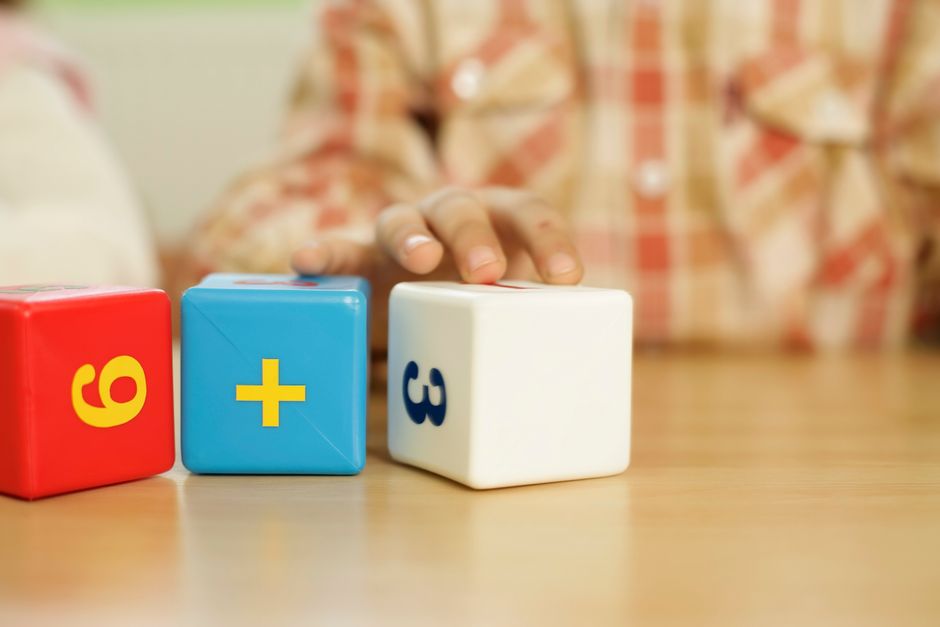
What Happens When Your Child’s Counting Powers the Play?
Close the printer tray. See how counting can power a child’s persistent world while adaptive practice builds real mastery.

Science Prediction Games: How a Toy Boat Turns Mistakes Into Evidence
What changes when a child’s prediction drives the experiment? Follow a ten-minute boat test that turns screen time into scientific thinking.
Maya’s Wrong Turn. One More Failure Could Make Her Quit Coding.
Coding class or coding game? See how train routes, repeats, branches, and debugging help children learn by doing in a browser.

Jambolino Free Beta: How Solved Challenges Powered Leo’s First World Upgrade
Try Jambolino free in your browser and see whether real learning can power your child’s first world upgrade in ten minutes.

Educational Screen Time: How a Ten-Minute Test Left Nico Curious
Can learning screen time feel different? Follow one parent’s browser-first test of Jambolino’s free, ad-free beta.