Topic
educational-games
How Can a Game Make Bedtime Stopping Feel Like Closing a Chapter?
What should a child’s game make easy? Clear stopping points, transparent rewards and learning progress without pressure to spend or stay online.

Apollo 13’s Duct Tape Fix, and What Games Put in the Way of Stopping
91% of parents set gaming rules. Learn how child-friendly games can support them by removing ads, purchases and pressure.

Children’s learning apps: Priya’s tablet test showed why safe design builds trust
Ofcom’s latest findings show what parents worry about in gaming, and how safer, ad-free learning apps can make trust easier.
Mina’s Tablet Dilemma. Theo’s Reward Loop Before Dinner.
A one-question screen-time audit for parents: spot whether an activity asks children to notice, remember, reason, or keep watching.

What Happens When Siblings Share a Tablet but Need Different Learning Worlds?
One family tablet can support two distinct learning paths when each child returns to their own language, skills, and growing world.
The Monday Screen That Can Make a Child Feel Behind
Reopen a children’s game after a missed weekend. Its first message reveals whether it welcomes, pressures, sells, or shames.
What Happens When One Final Wire Could Make the Bulb Glow?
Why one final circuit wire can keep a child learning: meaningful unfinished problems create curiosity without reward loops.

The Square Cartridge Apollo 13 Needed, and What Tapping Could Never Solve
A parent’s five-minute test for spotting educational games driven by real mastery, passive tapping, or reward loops.
Digital History for Children: How Imani’s Map Choices Make Evidence Matter
Digital history works best when children operate maps, routes and timelines, then see the consequences of their choices.
The Apollo 13 Adapter, and What It Reveals About Educational Games
Use this three-part test to spot whether a kids’ learning game makes skills drive play or merely interrupts it with quizzes.

Blog: What is intrinsic learning in children’s games? A parent’s guide to spotting whether learning operates the game—or merely unlocks the next reward.
Learn how to spot children’s games where real thinking drives play, not rewards, quizzes, and chance-based distractions.
Lena spots Theo’s public profile risk. The game has strangers and sales pressure.
A practical five-minute check for chat, public profiles, ads, purchases, and random rewards before your child starts a new game.
Can Children Learn Coding Without Other Players?
Coding games do not need multiplayer servers. See how solo play can build sequencing, debugging, loops, and independent thinking.
Learning games vs quiz apps: What Rosa’s dinner-table test reveals
A practical parent test for spotting when maths drives the game, and when it merely unlocks another reward.
The One Shoe Lena Still Had On, and What Milo’s Screen Time Almost Cost
Make after-school screen time count. Learn how to spot active learning games without ads, loot boxes, or endless reward loops.
Educational Software Design: What Maya’s Double Counting Taught Her
Screen limits matter, but better educational software makes the learning action worth a child’s attention.

The Download Jambolino Skips, and What It Saves Before Dinner
Ten minutes before dinner? See how browser play lets children begin a real Jambolino challenge and return to their saved world later.

What Happens When Your Child Cannot Explain the First Step?
A finished AI worksheet can hide a learning gap. Use these practical prompts to help children explain, practise, and retain the first step.

Jambolino beta: What Seeing Finn’s Skill Progress Taught Mara Before Another Download
Try Jambolino in the browser, review real skill progress, and keep the same child profile when play continues on Android.
Blog: The afternoon a parent looks past parental controls and asks who controls the answers, rewards and difficulty—an architecture-level comparison of safer educational games.
Parental controls are only the start. Compare educational games by who controls answers, difficulty, rewards, and child safety.
Blog: What is an intrinsic learning game? A practical guide to telling whether learning operates the game itself or merely unlocks another round of entertainment.
Learn how to spot learning games where thinking drives the action, with practical checks for feedback, rewards, adaptation, and child safety.
Blog: “How to evaluate a coding game for children beyond screen-time limits” — give parents a practical checklist covering deterministic learning, age adaptation, private profiles, no chat, no ads, no purchases and no public marketplace.
A parent’s practical checklist for choosing a coding game with real learning, safe profiles, and no ads or purchases.

What Can My Child Change Here, and What Thinking Makes It Happen?
Can a cardboard city and a learning game both count as active play? See what makes children’s choices matter.

Coding Games for Kids: How Milo Used Code to Restore the Railway
Should coding be the game, not the gate? See how visible consequences keep children playing and thinking.

What Happens When a Child Changes the Rules Mid-Game?
Why children learn deeply when they can test, change, and operate a system instead of only following rules.
The Tuesday Tablet Handover Checklist
Use this five-point checklist to make Tuesday tablet time quick to start, genuinely educational, and easier to end.

Mina’s dark circuit. Dinner depends on finding the break.
Screen time can leave more than a time count. Learn how visible outputs help children explain, revise, and finish play well.
Learning Games: How Maia Drew Her Clockwork Isle After Screen Time
When learning powers a child’s own game world, imagination can continue after the tablet closes.
Children’s Tablet Time: What a Train Route Taught Lena’s Son About Problem Solving
After the holiday, use this simple test to tell whether your child’s tablet time built a skill or merely filled the hours.
Blog SEO: Play-based learning vs game-based rewards—why the decisive question is whether a child’s thinking operates the game world or merely unlocks entertainment afterward.
Spot the difference between learning that drives play and quizzes that merely unlock rewards, with a practical parent checklist.
What Did Your Child Figure Out to Fix the Game World?
The practical test for play-based learning: does a child’s thinking change the game world, or merely unlock another reward?
Digital Play Agency: What Lena Learned From a Missed Virtual Reality Clue
What a Kansas Cosmosphere VR summer-camp project shows about giving children agency through meaningful digital play.
Ana Needs Ten Minutes. Milo’s Tablet Time Must End Without a Fight
Ten quiet Saturday minutes can give parents breathing room while children practise real skills through purposeful play.
Mara’s dark circuit. One moved wire changes everything.
Rainy-day screen time can build passive habits or active thinking. Use this simple test to choose activities that give children a real next move.

Play-based learning versus reward-based learning: a parent’s checklist for spotting whether the science experiment, melody or coding route is the lesson—or merely decoration around a quiz
Use this parent checklist to tell whether a learning game makes science, music, or coding the activity, or hides a quiz behind rewards.
Separate child learning profiles: Why siblings should not share a starting line
One shared tablet can support two different learners. See why siblings need separate profiles, progress, and starting levels.

The Square Canister Apollo 13 Needed, and What It Almost Cost the Crew
A working circuit helps children see how tomorrow becomes real: predict, test, fix, and watch the light turn on.

Mina’s train is stranded. She must fix the route before the session ends.
A stranded train turns coding into a concrete problem children can inspect, repair, and solve.

The Wrong-Shaped Filter Apollo 13 Had to Make Fit, and Why Every Measurement Mattered
See how Jambolino turns each math problem into a working part of a persistent world children can build, restore, and revisit.

What Happens When a Children’s Game Ends Without Loot Boxes?
What changes when a kids’ game removes loot boxes? See how earned progress creates calmer endings and a clearer sense of accomplishment.

The Square Canister That Wouldn’t Fit, and What Failure Made Possible
Why three correct answers becoming seven can reveal more learning than an easy perfect score, and how adaptive play supports that progress.
The Unit Mismatch NASA Missed, and What It Cost Near Mars
When a child’s train stops one switch early, the mistake becomes a practical lesson in coding, debugging, and patient problem-solving.

Nina Gives Luca His Phone Back. The Quiet Week Could Vanish Before Dinner.
When the phone returns from holiday camp, use this five-minute test to tell thoughtful digital play from screen time designed to keep children tapping.

Mara’s fraction mistake. Her fragile focus has seconds to recover.
What changes when a free learning game never cuts to ads? Follow one rainy-day session through a mistake, recovery, and calm finish.

Ad-Free Children’s Games: What a Purchase Prompt Taught Lina About Calm Play
When a free game turns bedtime into a sales negotiation, use this parent checklist to find calmer play without loot boxes or streak pressure.

Leah’s prize wheel problem. Noah may finish homework without learning fractions.
When prize wheels steal attention from maths, completion can hide weak learning. Here’s what parents should watch instead.

What Happens When Learning Apps Interrupt the Space Between Math Problems?
See how ad-free learning protects a child’s chain of thought, and what to watch for between one maths problem and the next.

The rushed Tuesday when a parent hands over the family tablet but does not want ads, loot boxes, streak pressure or another hollow quiz: a practical checklist for choosing an educational game.
Choose a safer educational game with this practical checklist for ads, loot boxes, learning quality, pressure, difficulty, and progress.

Tracking a Child’s Learning: How Fractions Gave Elena a Better Question
Missed the school meeting? Turn five minutes of play and a weekly progress digest into a better question for your child’s teacher.

The Still Pencil Beside the Workbook, and What It Reveals About Practice
When holiday maths makes shoulders sink, change the format: let real calculations power a world children choose to grow.

The Square Canisters Apollo 13 Couldn't Fit, and What That Reveals About Learning Games
Discover the simple test that separates genuine math play from quizzes dressed up with coins, badges, and adventure scenery.

Children's learning games: How prediction transforms a quiz into a scientific experiment
Learn how prediction in educational games shifts kids from guessing to scientific reasoning, transforming screen time into active, engaging learning.

Leo's math game. It rewards guessing, not learning.
Learn why rewarding guesses with confetti can undermine learning in educational games, and how intrinsic rewards drive genuine mastery.

The Badge That Popped Up, and What It Taught Children to Value Instead
Does your child's educational game train them to chase rewards, or to love learning? Discover how superficial animations can distract from true understanding.

Leo's train is broken. Dinner is ready.
Is your child truly learning or just chasing rewards during screen time? Discover how intrinsic engagement changes the value of digital play.

Math Learning Streaks: What Maya’s 47 Days Could Not Show About Understanding
A 47-day learning streak looked impressive until one simple question exposed what it could not measure. Here is what parents can check instead.

The Pirate Hat on the Worksheet, and What It Still Meant to Kids
Discover why characters and treasure don't change a worksheet, and how Jambolino makes learning the game itself, building worlds with every solved challenge.

Leo's pendulum problem: Misplaced gears leave his island in shadow.
Discover how Jambolino’s unique learning game transforms screen time into quiet, focused math and reading, without the noise. Play now.
Screen time decisions: How Maya's ten minutes taught the value of active play
Make screen time count. Choose learning games where every tap builds understanding, not just collects rewards. Perfect for short sessions.

The Square CO2 Scrubbers, and What They Almost Cost Apollo 13
Discover how educational apps can move beyond ads and prize wheels, fostering intrinsic motivation by making learning the game's reward.

What Happens When a Reward Wheel Makes a Finished Lesson Feel Like Failure?
When a reward wheel makes a completed lesson feel like failure, children remember the loss. Here is a better way to reward learning.

Nina’s tablet handoff. Leo’s progress and privacy are at stake.
See how Jambolino handles answers, profile ownership and child-data deletion, plus the safety limits parents should check.
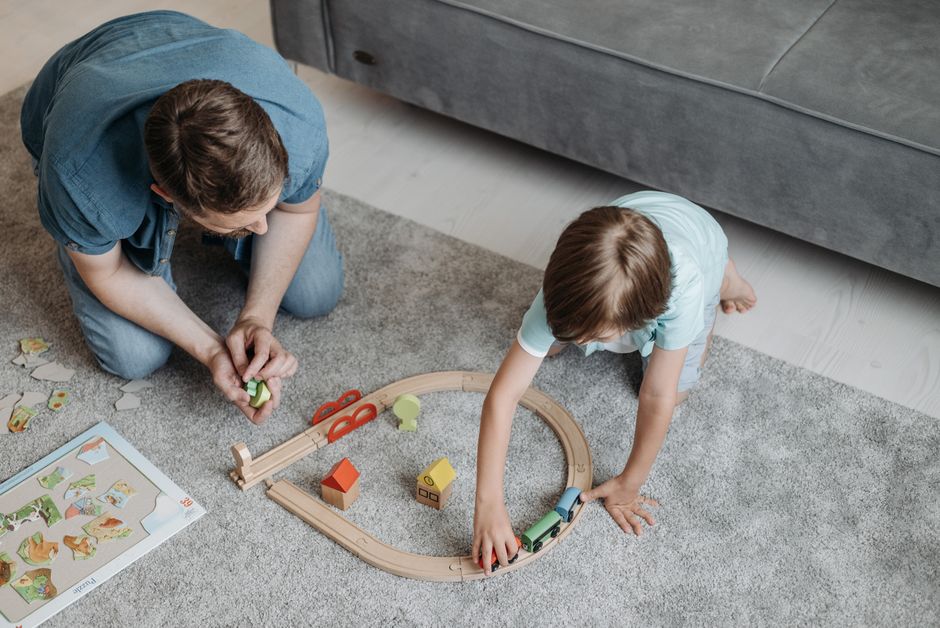
Educational Games for Kids: What Maya’s Train Route Taught Leo About Real Learning
Hand over the tablet for ten minutes and learn whether a children’s game builds real thinking or turns quiet play into a sales pitch.
Can My Pre-Reader Navigate Jambolino Without Instructions?
See how audio prompts, large tap targets, reduced motion and multi-signal feedback help younger children play with less adult direction.

The One Sentence After 40 Quiet Minutes, and What Silence Cannot Prove
Forty quiet minutes can hide empty tapping. Ask one simple question to find out whether a learning app taught something your child can use.
Learning Through Play: How Solving Fractions Brings Lena’s World to Life
See how real math, reading and reasoning actions power persistent worlds, with adaptive challenges and rewards children can see.

Browser Learning Games: How Zero Setup Made Ten Minutes Count for Maya and Eli
See how browser play turns a fragile after-school gap into ten useful learning minutes, with no download or app-store detour.

What Does 'No Subscription Pressure' Truly Mean for Your Family Budget?
Understand what "no subscription pressure" means for Jambolino: transparent, upfront pricing for genuine learning, free from ads or endless upsells.

The 'Adaptive Challenge' Sweet Spot: Keeping Kids Engaged Without Frustration
Discover how Jambolino's adaptive difficulty keeps kids aged 5-11 engaged without frustration, making learning fun and effective.

Beyond 'Time-Fillers': What Makes a Learning Game Worth Your Child's Attention?
Learn what makes a kids' learning game genuinely worthwhile. Discover how Jambolino fosters deep learning through intrinsic engagement, not just time-filling.

From Decoding to Fluency: Jambolino's Reading Progression System
Discover Jambolino's reading system, guiding kids 5-11 from phonics to fluency. Learn how intrinsic challenges build real skills in a persistent game world.

The Hidden Cost of 'Gamified' Quizzes for Kids
Many kids' "gamified" learning apps use quizzes and extrinsic rewards that can actually hinder a child's intrinsic motivation to learn. Discover the hidden cost.