Topic
parent-guidance

What should happen when educational screen time ends? An SEO guide to humane stopping design covering persistent progress, welcoming returns, reduced motion, session summaries and the absence of countdowns, streak loss and manipulative rewards.
Learn how humane educational apps save progress, welcome returns, and make screen-time endings calmer for children and parents.

Mina’s Saturday geography game turns alarming. Leo is not ready.
A practical standard for choosing child-safe geography and history apps without surprise graphic conflict content.
What Happens When a Child’s Frustration Becomes a Prompt to Spend?
Five questions parents can use to spot when a free children’s game turns frustration into a sales opportunity.

The Midnight Reset Children Don’t Need, and What It Can Cost Learning
Why learning apps should let children pause without losing progress, and how Jambolino replaces streak pressure with a world that waits.
The Unfamiliar Word on the Library Slip, and Why It Matters
See how letter sounds, blending, spelling, and sentence practice help children read unfamiliar words independently.
The 2008 Subway Ride That Changed How Adults Saw Children’s Independence
Free play built independence. See how private, intrinsic learning games can give children safer room to choose and figure things out.
Separate child learning profiles: Why siblings should not share a starting line
One shared tablet can support two different learners. See why siblings need separate profiles, progress, and starting levels.
Mira’s app purge. No more reward wheels, streaks, or ads.
A parent’s practical rule for choosing learning games that keep kids engaged without ads, loot boxes, or streak pressure.

What Can Your Child Do When You Change One Part of the Tablet Activity?
Three quick questions that reveal whether your child’s tablet session built recall, reasoning, and transferable learning.
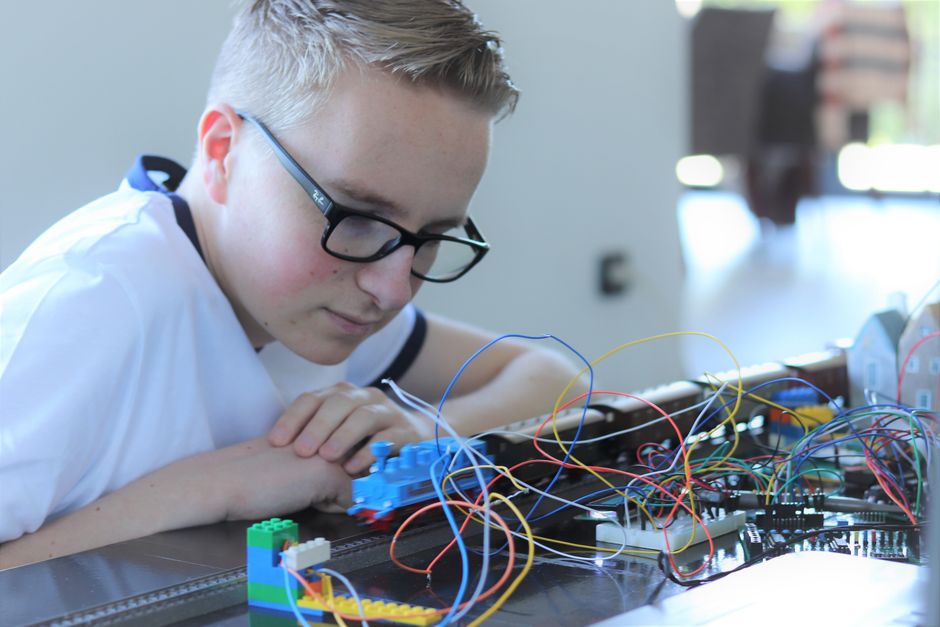
What Did Your Child Work Out to Make That Happen?
A practical way to judge meaningful screen time: look for skills a child uses, builds with, and can show you afterward.

Maya’s Fraction Struggle. One Wrong Answer Could Become a Permanent Label.
When fractions shake a child’s confidence, use gentle step-downs and skip-ahead checks to uncover what they understand and what comes next.

Coding Games for Children: How One Wrong Turn Taught Maya to Debug
One broken instruction leaves a child’s train short of the station. See how a quiet fix turns coding practice into genuine debugging play.

Math Learning Streaks: What Maya’s 47 Days Could Not Show About Understanding
A 47-day learning streak looked impressive until one simple question exposed what it could not measure. Here is what parents can check instead.

The Remainder Still on Screen, and What Your Child Wanted to Finish
When “time’s up” meets unfinished long division, one question reveals whether the screen is holding attention or genuine thought.

The Skill-Level Results the Letter Left Out, and Why the Next Conversation Matters
What does “at-risk” mean on a reading assessment? Decode the label, ask better questions, and choose the right next step.