Topic
play-based-learning
Playable Predictions for Kids: How Theo Learned to Reroute a Rover
When a space video ends, a playable prediction can help children turn curiosity into active reasoning.
Mina’s circuit is still dark. Dinner is late.
Use the chopping-board test to tell whether a kids’ app builds real thinking or simply keeps children tapping.
What Does Your Child Want When the Rewards Go Quiet?
Use the Tunnel Test to see whether a child values a learning game’s real challenge or its reward loop.
Learning Games: How Maia Drew Her Clockwork Isle After Screen Time
When learning powers a child’s own game world, imagination can continue after the tablet closes.
The Left-Hand Track, and What One Wrong Instruction Can Cost
A wrong-turning train can teach children to debug, test ideas, and reason about code through play.
What Does It Mean When a Child Replays a Solved Challenge?
A child replaying a solved challenge can reveal more about real interest than points, badges, or screen-time totals.
Comparing Fractions: How Nia Lit a Lighthouse by Finding the Fuller Container
See how a half-lit lighthouse can make comparing fractions feel worth solving, without ads, streak pressure, or empty rewards.
Eli’s bedtime pressure. Progress waits until tomorrow.
Bedtime tablet time can end without streak pressure, expiring prizes, or a fight. Here is how a safe stopping point helps.
Mara’s Circuit Room Question. The Digest Reveals Her Son’s Scientific Reasoning
A weekly learning digest can show the thinking behind play, giving parents evidence without making children feel watched.
Blog SEO: Play-based learning vs game-based rewards—why the decisive question is whether a child’s thinking operates the game world or merely unlocks entertainment afterward.
Spot the difference between learning that drives play and quizzes that merely unlock rewards, with a practical parent checklist.
What Did Your Child Figure Out to Fix the Game World?
The practical test for play-based learning: does a child’s thinking change the game world, or merely unlock another reward?
Intrinsic learning games vs quiz apps: how to tell whether the skill operates the world or merely unlocks another round of play.
Learn the quick checks that reveal whether a kids’ learning game makes skills drive play or simply inserts quizzes between rewards.
The 2008 Subway Ride That Changed How Adults Saw Children’s Independence
Free play built independence. See how private, intrinsic learning games can give children safer room to choose and figure things out.
Ana Needs Ten Minutes. Milo’s Tablet Time Must End Without a Fight
Ten quiet Saturday minutes can give parents breathing room while children practise real skills through purposeful play.
What Happens When Siblings Share a Tablet but Need Different Learning Paths?
See how separate child profiles turn one shared family tablet into two age-appropriate learning worlds.
Kids Study Games: Why Airplane Mode Cannot Remove Built-In Pressure
Airplane mode cannot remove ads or streak pressure. See what to check before handing a child a study game on a long trip.
The Square Canisters Apollo 13 Had, and What They Kept From Rising
Waiting on station Wi-Fi? See why browser play can give kids a worthwhile activity without an app-store detour.
Train Routing Logic for Kids: How Sam Fixed a Failed Route on a Station Platform
A delayed train can become a short coding lesson when children route, test, and fix a railway challenge.
Mara’s dark circuit. One moved wire changes everything.
Rainy-day screen time can build passive habits or active thinking. Use this simple test to choose activities that give children a real next move.
What Did Your Child Figure Out to Fix That?
Turn a child’s restored machine into a real learning conversation, with one simple Saturday-morning prompt.
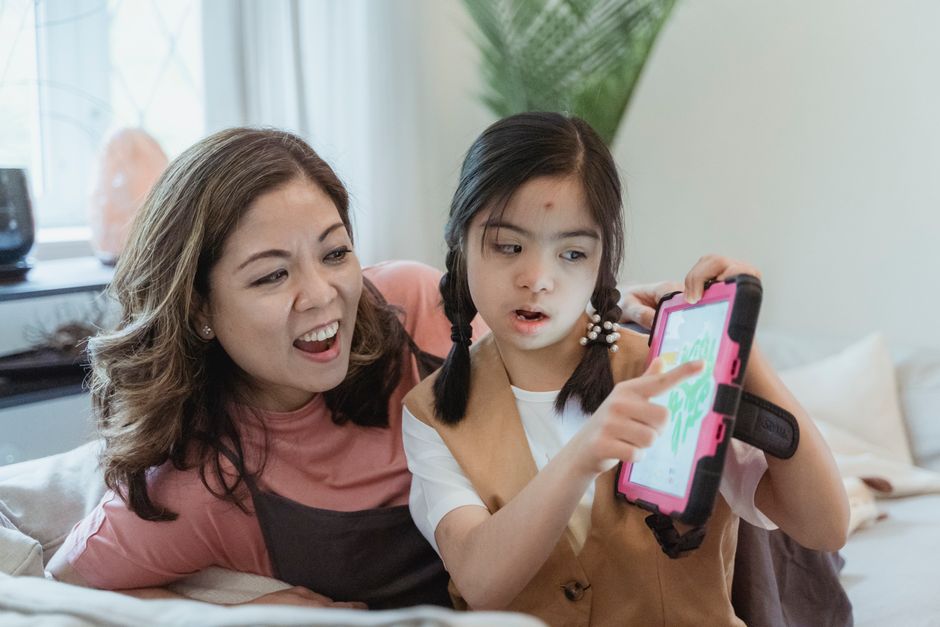
Play-based learning versus reward-based learning: a parent’s checklist for spotting whether the science experiment, melody or coding route is the lesson—or merely decoration around a quiz
Use this parent checklist to tell whether a learning game makes science, music, or coding the activity, or hides a quiz behind rewards.