Topic
learning-through-play
What Happens When Reading Practice Feels Like a Performance?
Reading practice works better when children play with real words. Learn how low-pressure game design can support joyful reading from ages 5–8.
UK Bebras Challenge: How Amira Turned a Wrong Route Into a Method
See how Bebras-style puzzles build computational thinking through play, and what parents can learn from low-pressure learning games.

The Duct Tape Solution Apollo 13 Needed, and the Habit It Revealed
Discover how Bebras builds computational thinking through playful puzzles, then extend the same curiosity at home without pressure.

The Square Canisters That Didn’t Fit, and the Learning Problem They Expose
Turn screen time into shared learning with simple questions, low-pressure play and Jambolino’s worlds built around real skills.

Nia’s balance challenge. The Smart Board stays dark.
When a classroom screen goes dark, purposeful digital learning can continue through real objects, questions, and play.

The Apollo 13 Adapter, and What It Reveals About Educational Games
Use this three-part test to spot whether a kids’ learning game makes skills drive play or merely interrupts it with quizzes.

Blog: What is an intrinsic learning game? A practical guide to telling whether learning operates the game itself or merely unlocks another round of entertainment.
Learn how to spot learning games where thinking drives the action, with practical checks for feedback, rewards, adaptation, and child safety.

What Can My Child Change Here, and What Thinking Makes It Happen?
Can a cardboard city and a learning game both count as active play? See what makes children’s choices matter.
Jambolino Before Dinner: How Theo’s Saved Progress Made the Table Handoff Easier
Turn the ten minutes before dinner into a calm, purposeful play break with an ending that does not start a fight.

What Happens When a Child Changes the Rules Mid-Game?
Why children learn deeply when they can test, change, and operate a system instead of only following rules.

Mina’s dark circuit. Dinner depends on finding the break.
Screen time can leave more than a time count. Learn how visible outputs help children explain, revise, and finish play well.
Noor’s missing turn. Her rover could miss the antenna again.
A parent-friendly way to explain coding through routes, train tracks, mistakes, repeats, and one curious question from the back seat.
Children’s Tablet Time: What a Train Route Taught Lena’s Son About Problem Solving
After the holiday, use this simple test to tell whether your child’s tablet time built a skill or merely filled the hours.
Digital Play Agency: What Lena Learned From a Missed Virtual Reality Clue
What a Kansas Cosmosphere VR summer-camp project shows about giving children agency through meaningful digital play.
What Did Your Child Figure Out to Fix That?
Turn a child’s restored machine into a real learning conversation, with one simple Saturday-morning prompt.
Playable Coding Logic: What Moving One Tile Taught Ellis About Testing Ideas
See how one train-route repair helps children practise real coding logic through visible cause, failure, and revision.
Theo’s Train Hits the Wrong Track. Dinner Is Calling.
Before children build virtual worlds, train prediction skills with playable routes, instructions, turns, and thoughtful retries.
Mira’s app purge. No more reward wheels, streaks, or ads.
A parent’s practical rule for choosing learning games that keep kids engaged without ads, loot boxes, or streak pressure.

What Happens When a Train Stops One Tile Short?
A stuck train can teach children to trace, test, and repair a program, one instruction at a time.

Educational Screen Time: How an Unfinished Machine Made Maya Ask to Return
What makes a child choose educational screen time? See how math, visible progress, and a persistent world can replace nightly bargaining.

Nina Gives Luca His Phone Back. The Quiet Week Could Vanish Before Dinner.
When the phone returns from holiday camp, use this five-minute test to tell thoughtful digital play from screen time designed to keep children tapping.
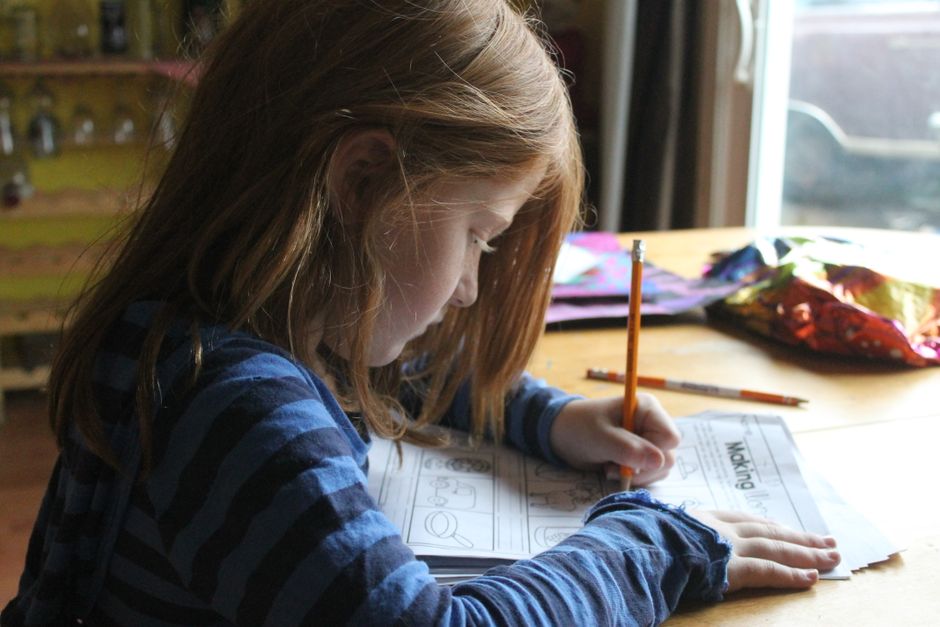
The Untouched Worksheet Pack, and What It Could Cost the Final Sunday
Skip the Sunday worksheet battle. See how one short maths challenge can wake a child’s clockwork world before school returns.
Computational Thinking for Kids: How Leo Learned to Debug a Train Route
Forget guessing which jobs AI will spare. See how train-routing play helps children practise prediction, debugging, and flexible thinking.

Should I Stop the Timer When My Child Is Revising a Prediction?
Before ending tablet time, ask one question that reveals whether your child is merely tapping or genuinely thinking, testing, and learning.

Family Tablet Time: How One Powered Machine Created a Natural Stopping Point
What should happen in a child’s first ten minutes with a tablet? Follow one rainy session from wary handoff to a powered learning world.
Holiday homework without the holiday battle: an Italian parent’s guide to practising mathematics through intrinsic play, short sessions and real mastery rather than worksheet completion.
Keep holiday maths calm with short sessions, intrinsic play and simple mastery checks that reveal what your child can truly do.
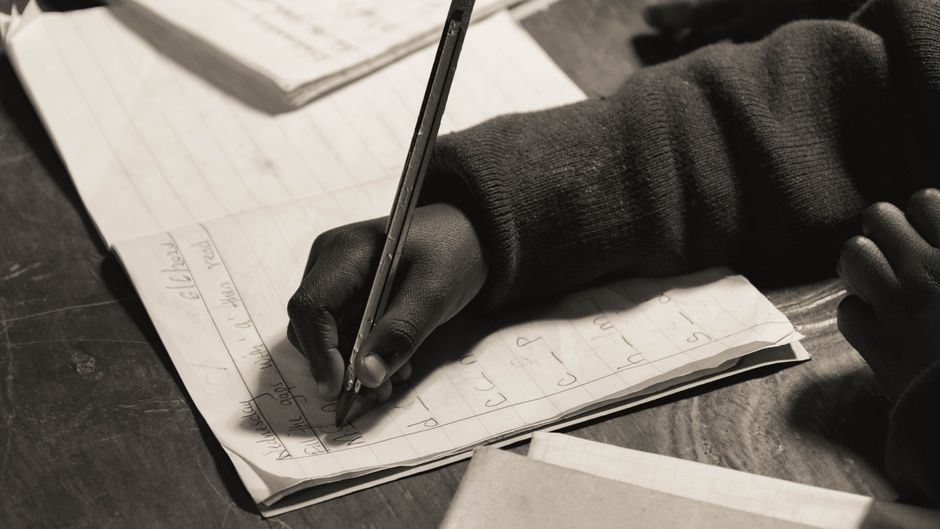
The Still Pencil Beside the Workbook, and What It Reveals About Practice
When holiday maths makes shoulders sink, change the format: let real calculations power a world children choose to grow.
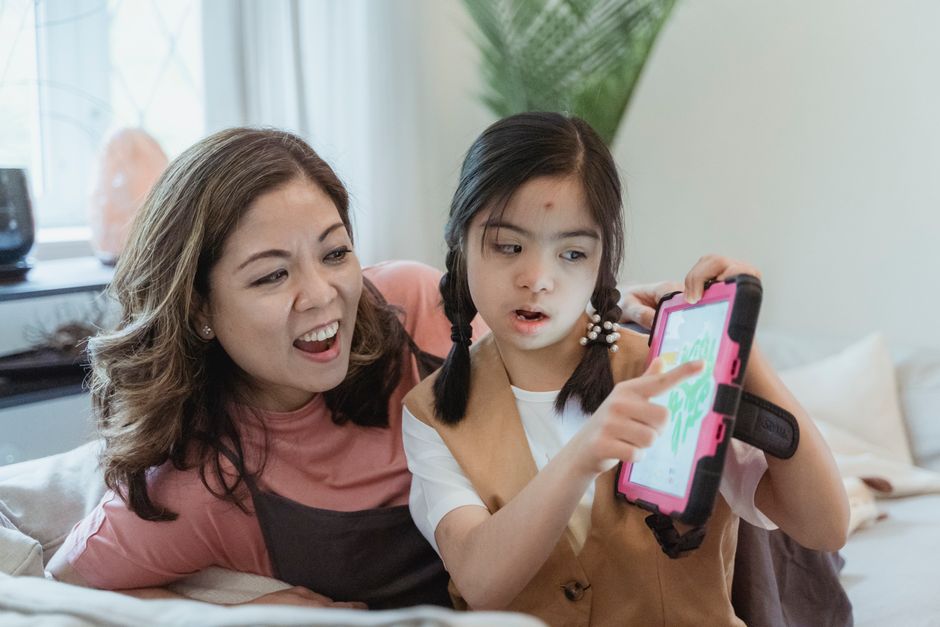
The Floating Object Mateo Didn’t Expect, and the Idea It Left Behind
When ten quiet minutes become a real science investigation, one simple parent test reveals whether screen time is helping a child think.
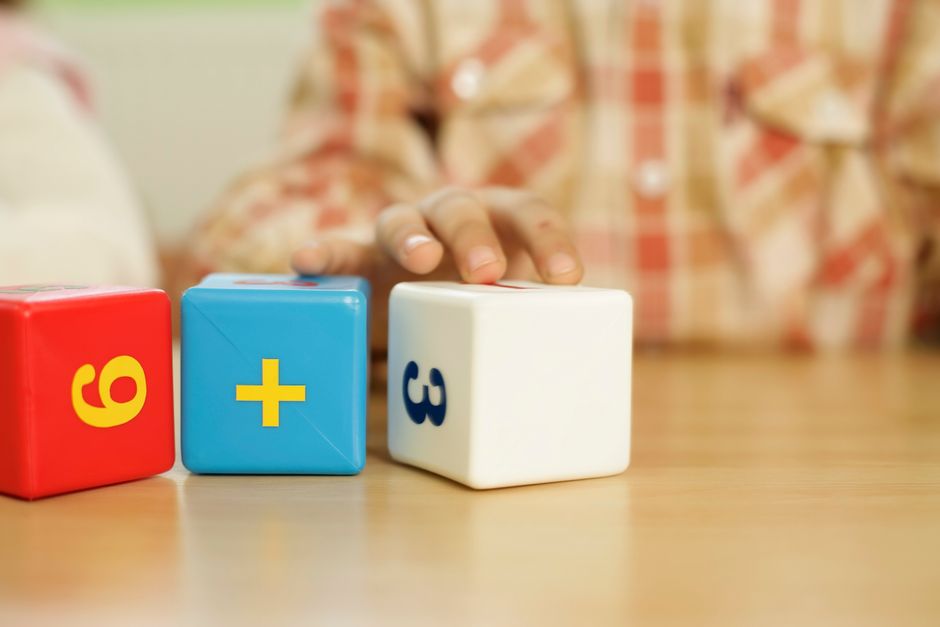
What Happens When Your Child’s Counting Powers the Play?
Close the printer tray. See how counting can power a child’s persistent world while adaptive practice builds real mastery.

Lina’s sounds won’t blend. Dinner cools as she reaches for the tablet.
Turn a phonics video into active reading practice with simple, decodable blending steps your child can try at home.

Coding Games for Children: How One Wrong Turn Taught Maya to Debug
One broken instruction leaves a child’s train short of the station. See how a quiet fix turns coding practice into genuine debugging play.

The Pirate Hat on the Worksheet, and What It Still Meant to Kids
Discover why characters and treasure don't change a worksheet, and how Jambolino makes learning the game itself, building worlds with every solved challenge.

What Happens When a Reward Wheel Makes a Finished Lesson Feel Like Failure?
When a reward wheel makes a completed lesson feel like failure, children remember the loss. Here is a better way to reward learning.
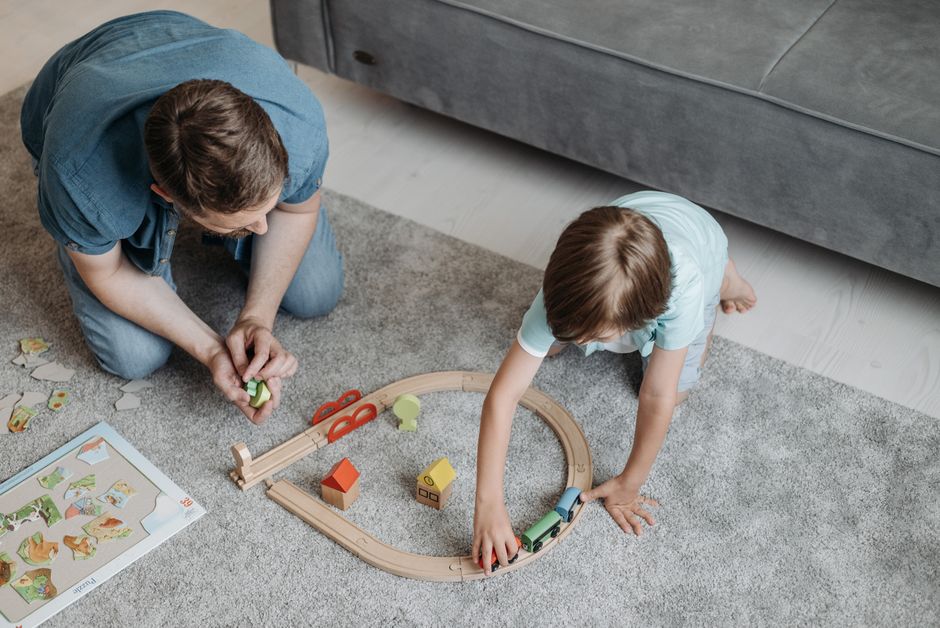
Educational Games for Kids: What Maya’s Train Route Taught Leo About Real Learning
Hand over the tablet for ten minutes and learn whether a children’s game builds real thinking or turns quiet play into a sales pitch.

Early Reading in Wordwood: How Clara Learns to Recover After Getting Stuck
Explore Wordwood’s phonics, decodable words and adaptive reading play, plus the important limits parents should know during beta.

The Pound-Seconds Error, and What It Cost the Mars Climate Orbiter
See how verified learning earns currency, restores structures, and makes each child’s Clockwork Isles a trustworthy record of progress.

The Remainder Still on Screen, and What Your Child Wanted to Finish
When “time’s up” meets unfinished long division, one question reveals whether the screen is holding attention or genuine thought.

Lena’s rainy-day chaos. A broken lamp and cancelled visit loomed.
Rain cancelled the outdoor plan? Try these five indoor games before turning to a calm, purposeful browser activity.
Learning Through Play: How Solving Fractions Brings Lena’s World to Life
See how real math, reading and reasoning actions power persistent worlds, with adaptive challenges and rewards children can see.
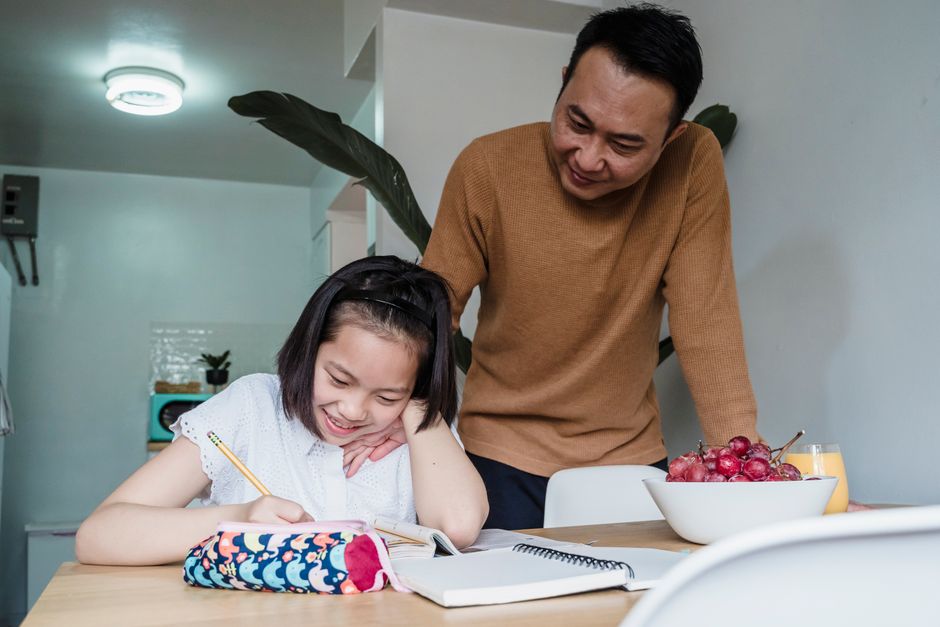
How Can I Help My Child Get Unstuck Without Taking Over?
Use this simple breakfast-table script to help a stuck child think, try, and learn without taking over the challenge.

Sam's Rain-Cancelled Football Plan. Five Minutes Could Become an Hour.
Rain cancelled the outdoor plan. See how five focused browser minutes can turn maths into a satisfying adventure without taking over the day.

Priya’s rainy-day trade. Twenty quiet minutes without empty screen time.
Can rainy-day screen time build real skills? Learn how to spot games where solving sums matters more than opening prize boxes.