
Sam's Rain-Cancelled Football Plan. Five Minutes Could Become an Hour.
Rain cancelled the outdoor plan. See how five focused browser minutes can turn maths into a satisfying adventure without taking over the day.

Ravi's app engineered engagement. Reading became the side quest.
What drives parents to search for ad-free learning games: how to spot learning-first design from engagement-first mechanics.

Post-Roblox Reset: How One Solvable Problem Helped Leo Regain Control
When an online game ends in tears, one solvable math problem can give your child a calmer, clearer next step.

Priya’s rainy-day trade. Twenty quiet minutes without empty screen time.
Can rainy-day screen time build real skills? Learn how to spot games where solving sums matters more than opening prize boxes.
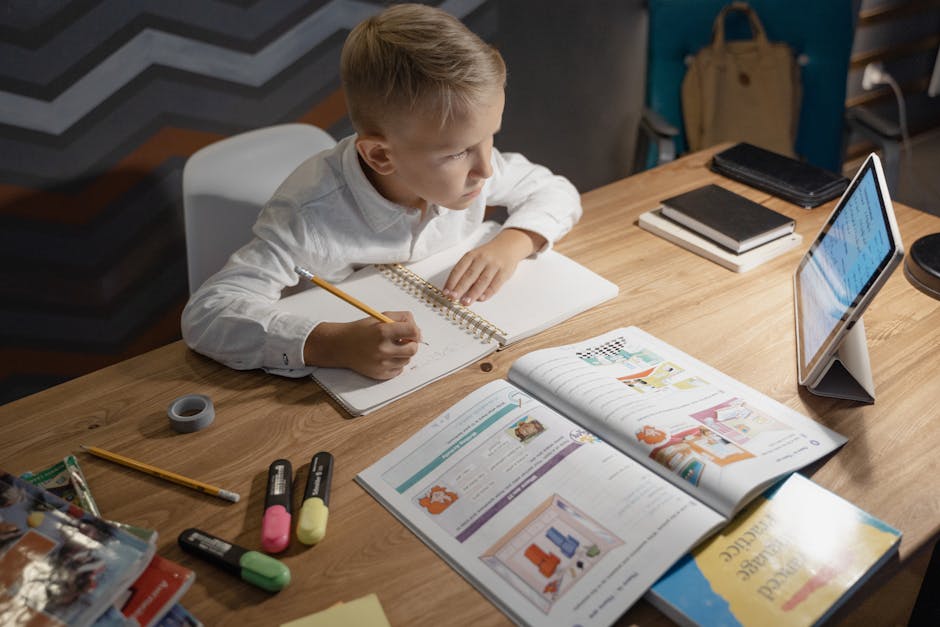
Reading App Streaks: Sofia's Struggle With a Physical Book Revealed a Disconnect
Does your child's reading app streak translate to real books? Discover why some learning games build app skill, not real-world mastery.

Sarah's son Ben avoids math. He'd rather earn a virtual sword.
Discover how a game truly teaches when kids do math and reading unprompted, driven by intrinsic motivation, not rewards or ads.

The Problem with 'Skinner Box' Math Games: Why Jambolino Avoids Repetitive Reward Loops
Skinner Box games train kids to chase rewards, not skills. Why intrinsic motivation matters for real learning.

How 'Play-Powered Progress' Builds Long-Term Math Retention
How play-powered math learning builds long-term retention compared to drilled memorization and streak-based apps.

The Anti-Addictive Loop: How Intrinsic Rewards Keep Kids Coming Back (for Learning)
How Jambolino builds lasting learning motivation through genuine progress instead of streaks and notifications. A look at ethical game design for kids.

The Quiet Power of Internal Milestones in Kids' Games
Discover how Jambolino builds genuine learning motivation by making cognitive achievements, not external rewards, the heart of the game for kids 5-11.

What Does 'No Subscription Pressure' Truly Mean for Your Family Budget?
Understand what "no subscription pressure" means for Jambolino: transparent, upfront pricing for genuine learning, free from ads or endless upsells.

The 'Adaptive Challenge' Sweet Spot: Keeping Kids Engaged Without Frustration
Discover how Jambolino's adaptive difficulty keeps kids aged 5-11 engaged without frustration, making learning fun and effective.

Beyond 'Time-Fillers': What Makes a Learning Game Worth Your Child's Attention?
Learn what makes a kids' learning game genuinely worthwhile. Discover how Jambolino fosters deep learning through intrinsic engagement, not just time-filling.

The Parent's Role in Intrinsic Reading Games: More Guide, Less Coach
Learn how to best support your child's reading journey with Jambolino, emphasizing the app's self-directed, intrinsic learning approach.

From Decoding to Fluency: Jambolino's Reading Progression System
Discover Jambolino's reading system, guiding kids 5-11 from phonics to fluency. Learn how intrinsic challenges build real skills in a persistent game world.

Android Beta Feedback: What Parents Are Saying About 'Learning as the Game'
See what parents in our Android beta are saying about Jambolino, the learning game where math and reading directly power the game world.

Adaptive Learning: How Jambolino Adjusts to Your Child's Pace
Discover how Jambolino’s adaptive learning adjusts math and reading games to your child's pace, ensuring challenge without frustration.

The Hidden Cost of 'Gamified' Quizzes for Kids
Many kids' "gamified" learning apps use quizzes and extrinsic rewards that can actually hinder a child's intrinsic motivation to learn. Discover the hidden cost.

Why 'chocolate-covered broccoli' fails — and what a learning game looks like when the math IS the game
Discover why most educational games fail kids with "chocolate-covered broccoli" and how Jambolino makes learning math and reading genuinely fun.