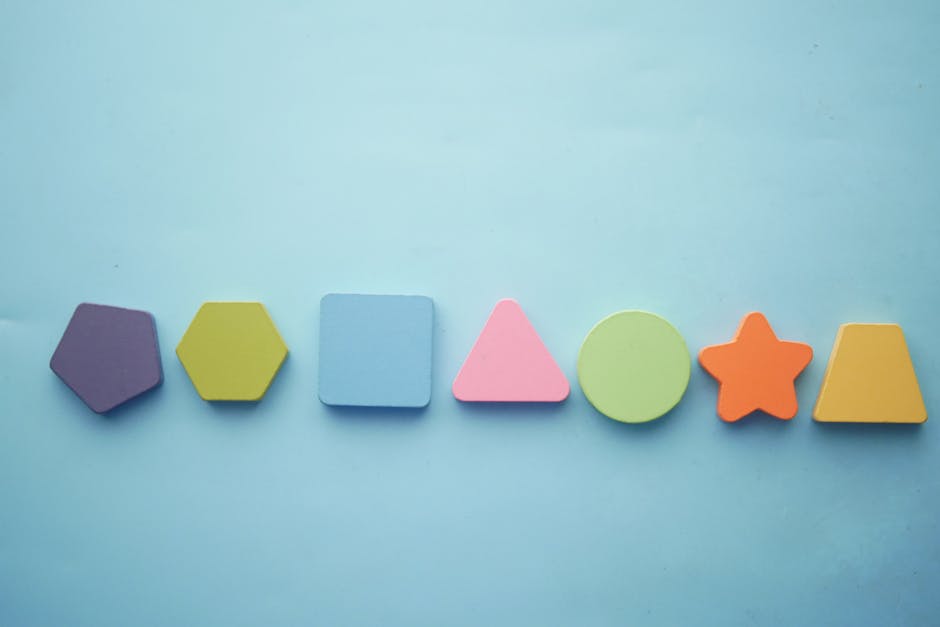
The Square Canister That Wouldn’t Fit, and What Failure Made Possible
Why three correct answers becoming seven can reveal more learning than an easy perfect score, and how adaptive play supports that progress.

Elena’s Install Button. One Tap Could Turn the Tablet Into a Daily Negotiation.
Set up a new kids’ tablet in 15 minutes with one rule that helps you choose games where thinking drives every move.
What Does My Child Have to Think About to Make the Game Move?
See how fraction practice becomes a playable clockwork mechanism, with calm progress, adaptive challenge and no reward traps.

Educational Screen Time: How an Unfinished Machine Made Maya Ask to Return
What makes a child choose educational screen time? See how math, visible progress, and a persistent world can replace nightly bargaining.

The Unit Mismatch NASA Missed, and What It Cost Near Mars
When a child’s train stops one switch early, the mistake becomes a practical lesson in coding, debugging, and patient problem-solving.
Nina Gives Luca His Phone Back. The Quiet Week Could Vanish Before Dinner.
When the phone returns from holiday camp, use this five-minute test to tell thoughtful digital play from screen time designed to keep children tapping.
What Happens When You Replace the Summer Timetable With One Prepared Choice?
Drop the rigid summer timetable and try one inviting five-minute challenge that lets curiosity, choice and real problem-solving lead.

Educational Screen Time: What Nico’s Train Puzzle Taught Sofia About Stopping Points
Before the timer ends tablet time, ask one question that reveals whether your child is solving, predicting, building or merely tapping.
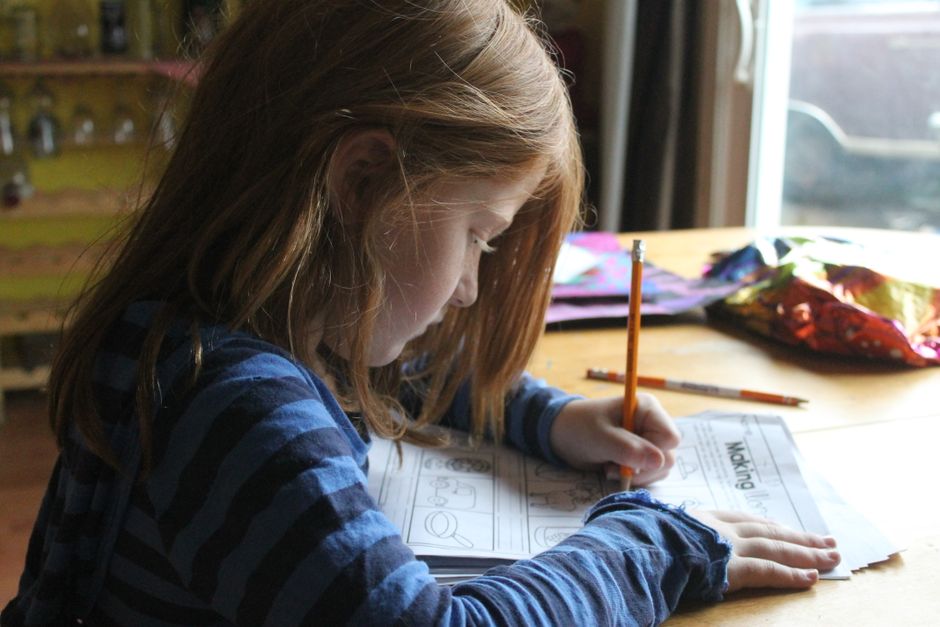
The Untouched Worksheet Pack, and What It Could Cost the Final Sunday
Skip the Sunday worksheet battle. See how one short maths challenge can wake a child’s clockwork world before school returns.

Priya Finds a Searchable Child Profile. One Tap Could Expose Ravi to Strangers.
Before handing over the tablet, use this 60-second check to spot public profiles, chat, intrusive permissions, and requests for personal details.

Should I Stop Screen Time Mid-Challenge When Bedtime Arrives?
When the screen-time timer rings mid-fraction, should play stop? Use a simple test for meaningful learning and calm endings.

Educational screen time vs passive screen time: a practical guide for parents judging what their child is actually doing, including agency, productive difficulty, feedback, and whether learning changes the game world.
Is that learning app truly educational? Use this five-minute parent check to spot agency, useful feedback, real challenge, and meaningful play.

Computational Thinking for Kids: How Leo Learned to Debug a Train Route
Forget guessing which jobs AI will spare. See how train-routing play helps children practise prediction, debugging, and flexible thinking.

The Five-Minute Challenge That Changes a Child’s World
See what happens in a child’s first five minutes with Jambolino, from profile setup to a world that responds to real learning.
Educational screen time vs digital worksheets: how intrinsic learning games turn solving, decoding, predicting and building into the mechanic rather than placing quiz questions behind rewards.
Learn the five-minute test that reveals whether an educational game builds real skills or hides digital worksheets behind rewards.
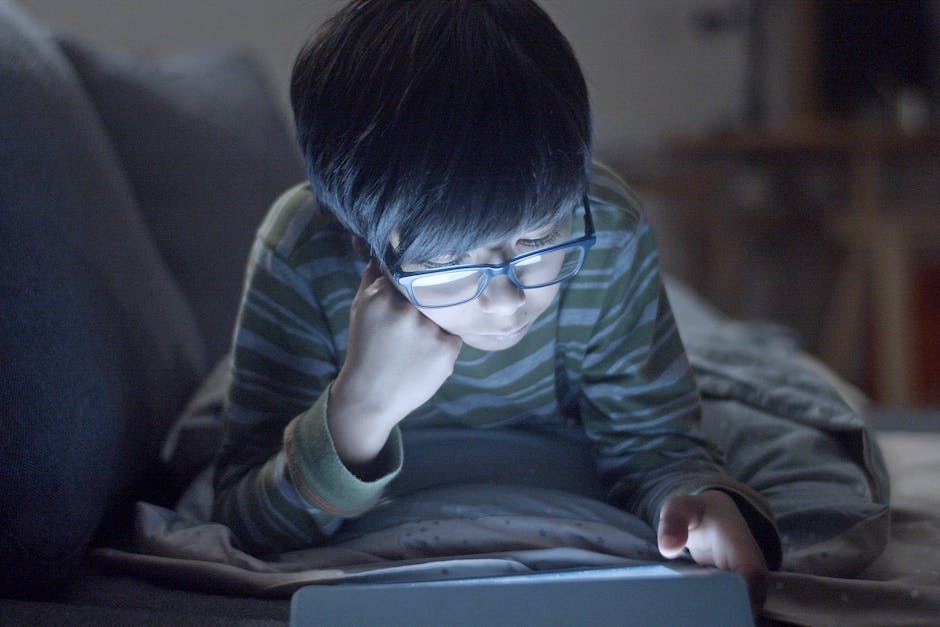
Lena’s tablet dilemma. Another twenty minutes could postpone Theo’s bedtime.
Stop counting every screen minute the same way. Learn how to spot watching, recall, creation, and learning built into play.

Should I Stop the Timer When My Child Is Revising a Prediction?
Before ending tablet time, ask one question that reveals whether your child is merely tapping or genuinely thinking, testing, and learning.
Learning Games for Children: How a Train Route Turned Emil’s Thinking Into Play
Tired of school platform logins? Use one simple test to tell whether your child is genuinely thinking or merely clearing screens.

The One Stubborn Word That Woke a Dormant Part of Wordwood
What if sounding out one stubborn bedtime word could wake an entire reading world? See how Wordwood turns decoding into action.

Mara’s fraction mistake. Her fragile focus has seconds to recover.
What changes when a free learning game never cuts to ads? Follow one rainy-day session through a mistake, recovery, and calm finish.