Digital Play Agency: What Lena Learned From a Missed Virtual Reality Clue
What a Kansas Cosmosphere VR summer-camp project shows about giving children agency through meaningful digital play.
The 2008 Subway Ride That Changed How Adults Saw Children’s Independence
Free play built independence. See how private, intrinsic learning games can give children safer room to choose and figure things out.
Ana Needs Ten Minutes. Milo’s Tablet Time Must End Without a Fight
Ten quiet Saturday minutes can give parents breathing room while children practise real skills through purposeful play.
What Happens When Siblings Share a Tablet but Need Different Learning Paths?
See how separate child profiles turn one shared family tablet into two age-appropriate learning worlds.
Kids Study Games: Why Airplane Mode Cannot Remove Built-In Pressure
Airplane mode cannot remove ads or streak pressure. See what to check before handing a child a study game on a long trip.
The Square Canisters Apollo 13 Had, and What They Kept From Rising
Waiting on station Wi-Fi? See why browser play can give kids a worthwhile activity without an app-store detour.
Sam’s fraction question. Bedtime is minutes away.
Turn a 15-minute school-night window into real practice with browser play, adaptive challenges, and a calm bedtime finish.
What Happens When One Circuit Challenge Replaces the After-School Video?
Turn ten minutes before dinner into a calmer reset with a real circuit challenge and a clear stopping point.
Train Routing Logic for Kids: How Sam Fixed a Failed Route on a Station Platform
A delayed train can become a short coding lesson when children route, test, and fix a railway challenge.
The Score That Could Not Tell You Where Reading Came Apart
A reading score raises questions. Use this five-part check to choose a calm, useful reading practice for tonight.
Mara’s dark circuit. One moved wire changes everything.
Rainy-day screen time can build passive habits or active thinking. Use this simple test to choose activities that give children a real next move.
What Did Your Child Figure Out to Fix That?
Turn a child’s restored machine into a real learning conversation, with one simple Saturday-morning prompt.
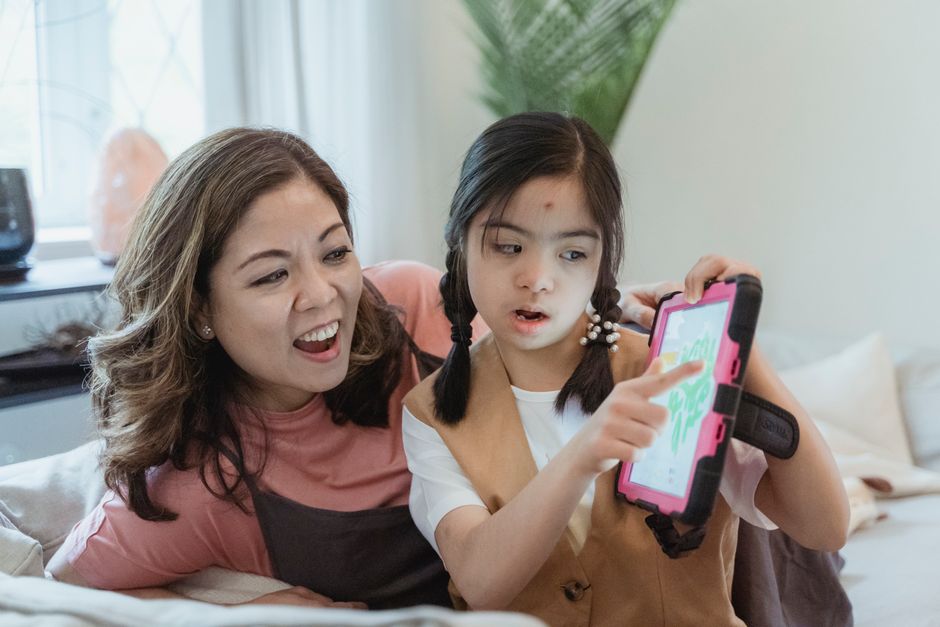
Play-based learning versus reward-based learning: a parent’s checklist for spotting whether the science experiment, melody or coding route is the lesson—or merely decoration around a quiz
Use this parent checklist to tell whether a learning game makes science, music, or coding the activity, or hides a quiz behind rewards.
Playable Coding Logic: What Moving One Tile Taught Ellis About Testing Ideas
See how one train-route repair helps children practise real coding logic through visible cause, failure, and revision.

The Daily Streak Jambolino Does Not Have, and What It Spares Families
A child’s after-dinner return should lead to real learning and a waiting world, not ads, sales, or a lost streak.
Theo’s Train Hits the Wrong Track. Dinner Is Calling.
Before children build virtual worlds, train prediction skills with playable routes, instructions, turns, and thoughtful retries.
What Does Your Child Need to Do to Unlock the Next Room?
A practical parent test for educational screen time: trace what a child must do to unlock the next in-game change.
Separate child learning profiles: Why siblings should not share a starting line
One shared tablet can support two different learners. See why siblings need separate profiles, progress, and starting levels.
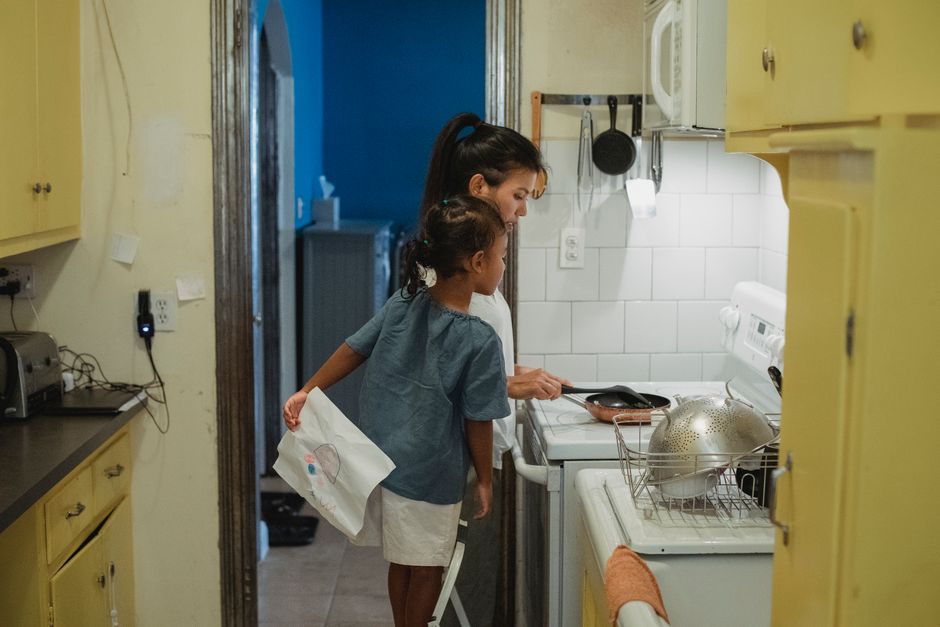
The Five Minute Train Route That Makes Dinner Easier
Why a five-minute Signal Works train route can be a calm, meaningful before-dinner screen-time choice.
Mira’s app purge. No more reward wheels, streaks, or ads.
A parent’s practical rule for choosing learning games that keep kids engaged without ads, loot boxes, or streak pressure.