
How Can We Help a Child When the Numbers Become Too Heavy?
When a child struggles with math, simplifying the challenge, rather than solving it for them, builds confidence and ensures genuine learning.

Children's learning games: How prediction transforms a quiz into a scientific experiment
Learn how prediction in educational games shifts kids from guessing to scientific reasoning, transforming screen time into active, engaging learning.

The Dark Gear-Housing on Leo's Isle, and What It Cost Him in Fractions
Turn tablet time into active learning. Discover how Jambolino’s persistent worlds engage kids with math, reading, and science. Play now.

Leo's math game. It rewards guessing, not learning.
Learn why rewarding guesses with confetti can undermine learning in educational games, and how intrinsic rewards drive genuine mastery.

How can learning fractions build a world, not just earn a sticker?
Learn why connecting math problems directly to building a persistent world creates a more effective learning experience for kids than generic rewards.

Intrinsic Learning: How Jambolino Taught Leo About Proportion
Turn your child's endless "why?" into active discovery. Learn how a persistent learning world makes math and reading real.

The Badge That Popped Up, and What It Taught Children to Value Instead
Does your child's educational game train them to chase rewards, or to love learning? Discover how superficial animations can distract from true understanding.

Leo's train is broken. Dinner is ready.
Is your child truly learning or just chasing rewards during screen time? Discover how intrinsic engagement changes the value of digital play.
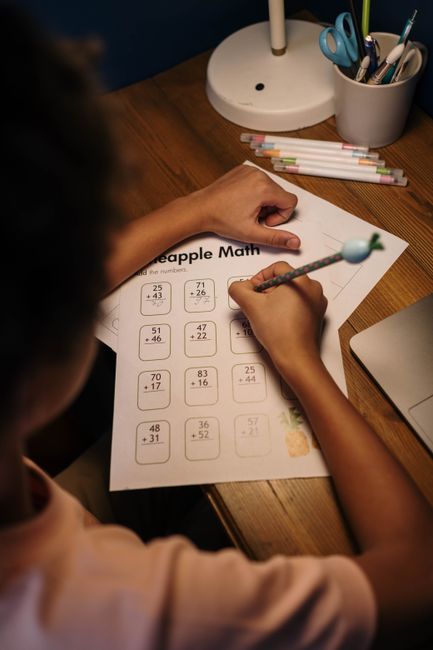
Why does an unfinished practice session get swiped away mid-task?
Discover why children abandon worksheet-style apps mid-session and how Jambolino's intrinsic learning mechanics create lasting engagement. | KEY_TAKEAWAYS: For children to truly engage with learning apps, the learning itself must be the game mechanic. | A persistent, growing world offers a powerful intrinsic motivation for children to return to learning. | Avoid manipulative rewards like streaks or loot boxes; focus on genuine progress and earned wonder. | When children see their efforts directly build something they own, they develop a deeper connection to learning. | TAGS: educational games, intrinsic motivation, child learning, screen time, game-based learning

Math Learning Streaks: What Maya’s 47 Days Could Not Show About Understanding
A 47-day learning streak looked impressive until one simple question exposed what it could not measure. Here is what parents can check instead.
The Pirate Hat on the Worksheet, and What It Still Meant to Kids
Discover why characters and treasure don't change a worksheet, and how Jambolino makes learning the game itself, building worlds with every solved challenge.
Leo's pendulum problem: Misplaced gears leave his island in shadow.
Discover how Jambolino’s unique learning game transforms screen time into quiet, focused math and reading, without the noise. Play now.

Why does a child care about finishing their island, but not a quiz?
See how Jambolino's persistent world captures kids' imagination, fostering learning with an unfinished island rather than disposable quizzes.
Screen time decisions: How Maya's ten minutes taught the value of active play
Make screen time count. Choose learning games where every tap builds understanding, not just collects rewards. Perfect for short sessions.

The Square CO2 Scrubbers, and What They Almost Cost Apollo 13
Discover how educational apps can move beyond ads and prize wheels, fostering intrinsic motivation by making learning the game's reward.

Lena finishes her story; a new question sparks her world to life.
Foster curiosity and critical thinking in children. Discover how asking "what happens next" after a story is a key to lifelong learning.

What Happens When a Reward Wheel Makes a Finished Lesson Feel Like Failure?
When a reward wheel makes a completed lesson feel like failure, children remember the loss. Here is a better way to reward learning.

Nina’s tablet handoff. Leo’s progress and privacy are at stake.
See how Jambolino handles answers, profile ownership and child-data deletion, plus the safety limits parents should check.
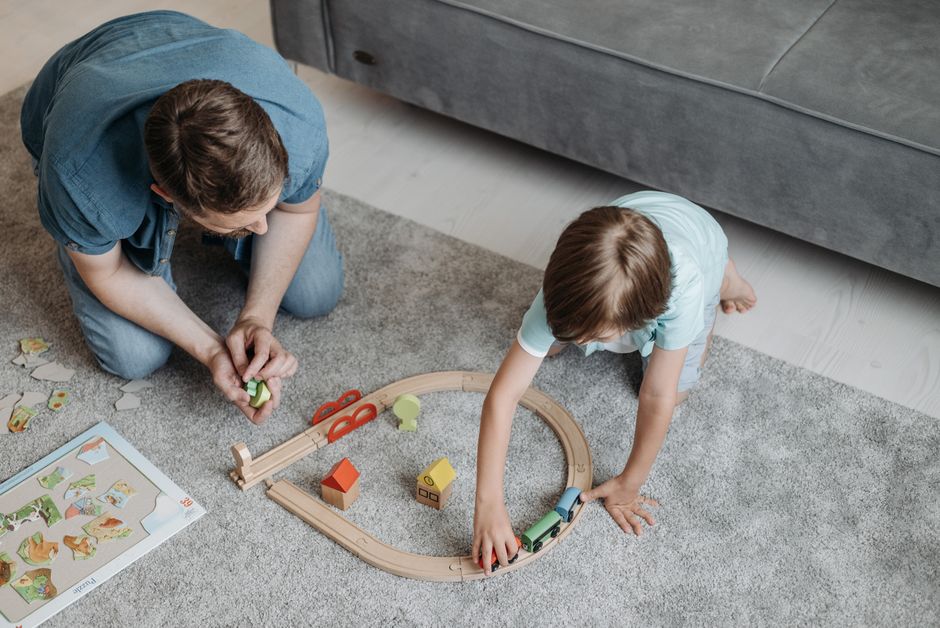
Educational Games for Kids: What Maya’s Train Route Taught Leo About Real Learning
Hand over the tablet for ten minutes and learn whether a children’s game builds real thinking or turns quiet play into a sales pitch.
Can My Pre-Reader Navigate Jambolino Without Instructions?
See how audio prompts, large tap targets, reduced motion and multi-signal feedback help younger children play with less adult direction.