
Can Ten Minutes of Tablet Time Hold Attention Without Exploiting It?
Need ten quiet minutes? Learn how to choose tablet play that holds a child’s interest without ads, loot boxes or streak pressure.

Ad-Free Children’s Games: What a Purchase Prompt Taught Lina About Calm Play
When a free game turns bedtime into a sales negotiation, use this parent checklist to find calmer play without loot boxes or streak pressure.

The Copy Galyn Susman Kept at Home, and What Pixar Almost Lost
Give each child a learning world of their own, with progress that survives shared devices, short sessions, and sibling turns.

Leah’s prize wheel problem. Noah may finish homework without learning fractions.
When prize wheels steal attention from maths, completion can hide weak learning. Here’s what parents should watch instead.

What Happens When Learning Apps Interrupt the Space Between Math Problems?
See how ad-free learning protects a child’s chain of thought, and what to watch for between one maths problem and the next.

Family Tablet Time: How One Powered Machine Created a Natural Stopping Point
What should happen in a child’s first ten minutes with a tablet? Follow one rainy session from wary handoff to a powered learning world.

The Story Alice Liddell Asked to Keep, and What Her Pause Revealed
Is your child daydreaming while reading? Learn how quiet pauses can reveal comprehension, imagination and a reason to pick the story up again.

Intrinsic learning game vs quiz app: a practical parent checklist for spotting whether mathematics, reading, science or coding is the actual mechanic—or merely the toll paid before the reward animation.
Is the learning truly part of the game? Use this parent checklist to spot meaningful play, empty rewards, guessing loops, and real progress.
Holiday homework without the holiday battle: an Italian parent’s guide to practising mathematics through intrinsic play, short sessions and real mastery rather than worksheet completion.
Keep holiday maths calm with short sessions, intrinsic play and simple mastery checks that reveal what your child can truly do.

Educational screen time without the casino playbook: Jambolino versus quiz apps, streak systems and reward-first children’s games.
Choose educational screen time without streak pressure, loot boxes or quiz loops. See what to check and how Jambolino compares.

The rushed Tuesday when a parent hands over the family tablet but does not want ads, loot boxes, streak pressure or another hollow quiz: a practical checklist for choosing an educational game.
Choose a safer educational game with this practical checklist for ads, loot boxes, learning quality, pressure, difficulty, and progress.

Maya’s Fraction Struggle. One Wrong Answer Could Become a Permanent Label.
When fractions shake a child’s confidence, use gentle step-downs and skip-ahead checks to uncover what they understand and what comes next.

Can a Visible Finish Line Make It Easier to Hand Back the Tablet?
Can better game endings prevent tablet battles? See how visible completion helps children stop calmly while keeping learning meaningful.

Tracking a Child’s Learning: How Fractions Gave Elena a Better Question
Missed the school meeting? Turn five minutes of play and a weekly progress digest into a better question for your child’s teacher.

The Still Pencil Beside the Workbook, and What It Reveals About Practice
When holiday maths makes shoulders sink, change the format: let real calculations power a world children choose to grow.
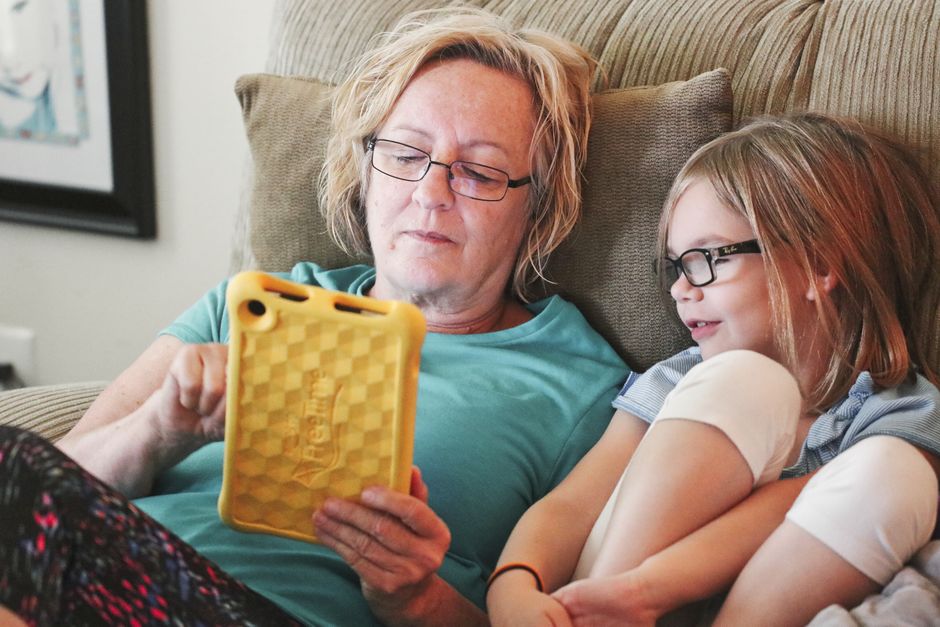
Nora’s troublesome last word. Dinner starts in two minutes.
Can ten minutes of screen time build reading skill? Step into Wordwood, where decoding one final story brings a dark room to life.
What Is Your Child Thinking About During Quiet Screen Time?
Quiet screen time can hide active learning. See how predicting and repairing a program builds reasoning far beyond passive video.

Educational Screen Time: What Mara’s Failed Train Routes Reveal About Learning
Screen time totals miss the real story. Learn how five simple verbs reveal whether your child watched, guessed, tested or built.
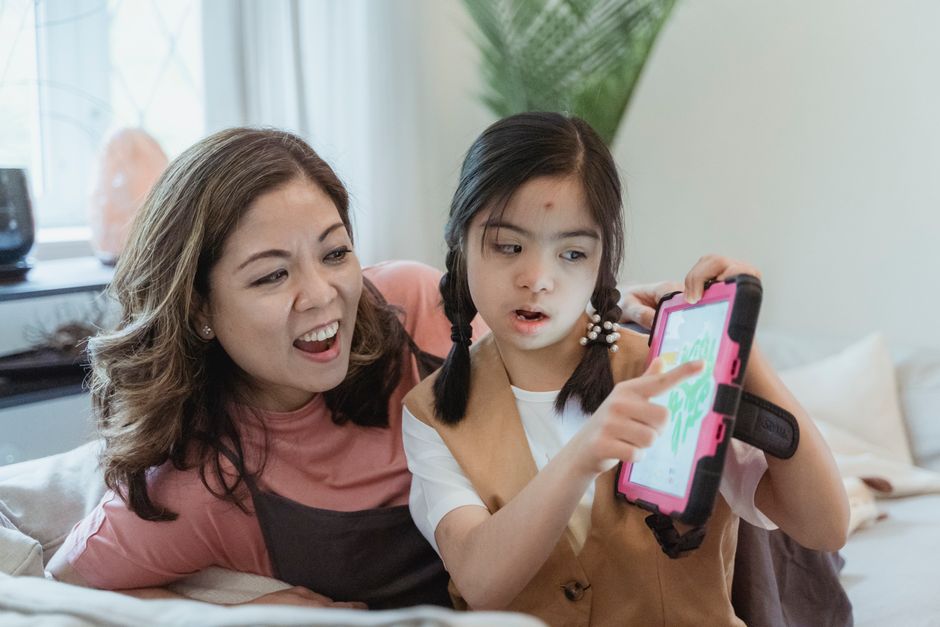
The Floating Object Mateo Didn’t Expect, and the Idea It Left Behind
When ten quiet minutes become a real science investigation, one simple parent test reveals whether screen time is helping a child think.

Mara’s Ten-Minute Exception. Will Tonight’s Boundary Become Tomorrow’s Argument?
When should ten more minutes of screen time be allowed? Use this simple test to separate purposeful learning from endless play.