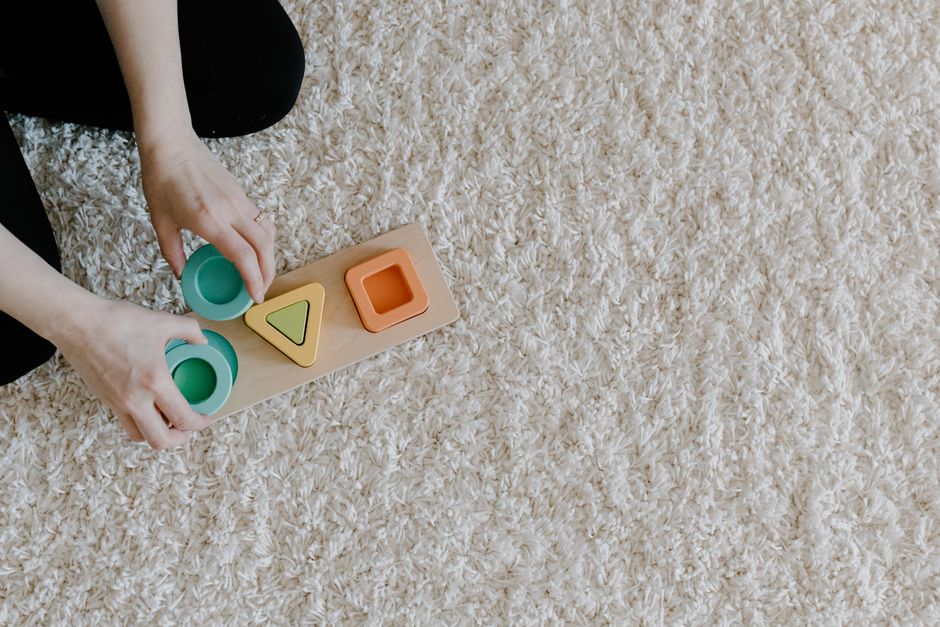
The Square Cartridge That Didn’t Fit, and What 20 Minutes Can Hide
Twenty minutes can train passive watching or real reasoning. Use four questions to judge what your child’s screen session actually demands.

Lena’s after-school screen fatigue. One train route could end in conflict.
Another screen after school? Use this practical five-minute check to tell active, purposeful play from an activity that adds strain.

What If Every Screen Session Had One Purpose Before the Week Began?
Turn weekly screen-time arguments into a five-minute Sunday ritual with clear space for maths, reading, logic, and rest.
Tablet History Audit: What Ravi’s 22 Minutes Taught Priya About Meaningful Practice
Your child spent 20 minutes in an educational app. Here is how to tell how many of those minutes involved real learning.
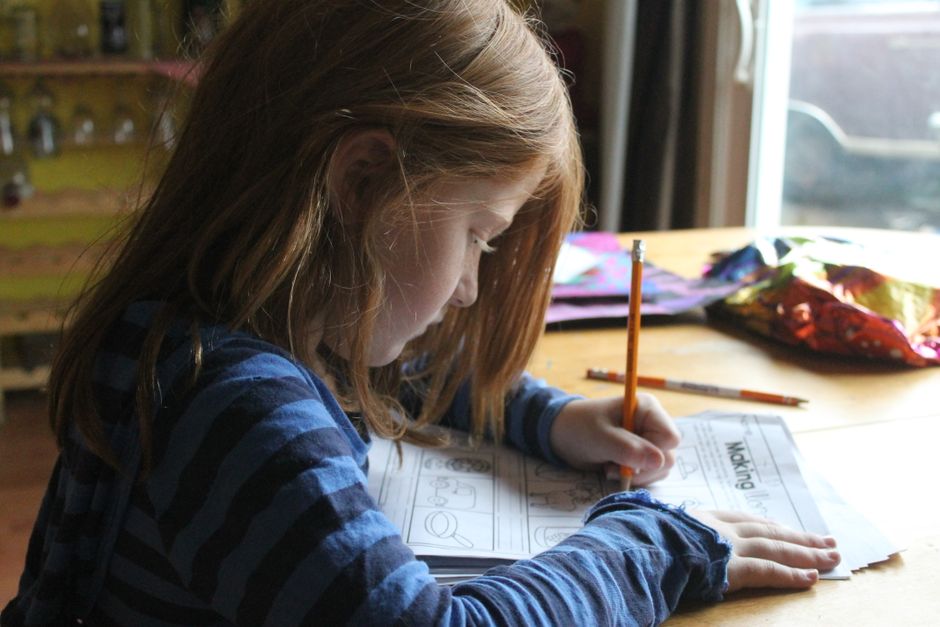
The Blank Worksheet at 7:12, and the Missing Reason to Start
Why does a blending worksheet trigger resistance? Give every decoded word a visible job and turn reading practice into meaningful play.

Mara’s Stranded Train. Twenty Minutes to Fix the Program.
Can twenty minutes of screen time build coding skills? Follow a child as repeat instructions and debugging bring a stranded train home.
Can a Tablet Buy Ten Quiet Minutes Without Selling Your Child’s Attention?
Need ten quiet minutes to finish dinner? Choose screen time that builds real skills without ads, purchases, loot boxes, or streak pressure.

Learning Games for Children: How Meaningful Endings Make It Easier to Stop
Try the tablet hand-back test to see whether a learning game offers real closure or keeps pulling your child into one more round.

The Five Silent Minutes That Reveal What a Learning Game Is Really Training
Try this silent five-minute tablet test to see whether your child is reasoning through a learning game or chasing its rewards.
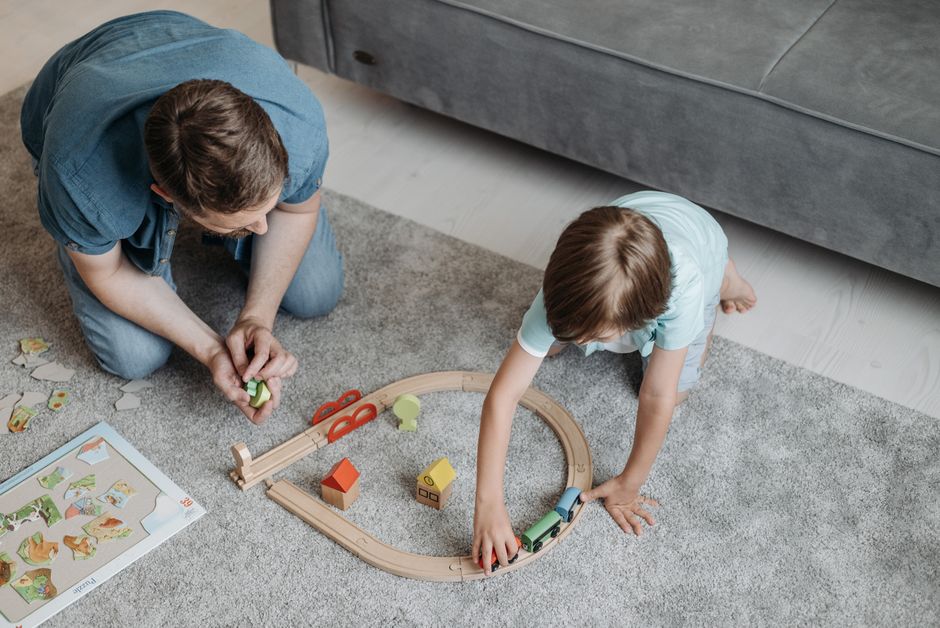
Luca’s Train Is Stuck. One Attempt Remains Before Tablet Hand-Back.
Before choosing a learning game, use three simple questions to find out whether your child remembers the thinking or only the prize.

What Can My Child Really Learn in 20 Minutes Before Dinner?
Only 20 minutes before dinner? Use this practical checklist to choose screen time that gives your child genuine skill practice.

Fraction Learning Games: What Theo’s Waterwheel Reveals About Meaningful Play
Remove the fraction from a learning game. Does the play still work? Use this simple test to spot real learning mechanics.

The Loudest Sound in a Learning App, and What It Can Hide From Parents
Is that cheerful learning-game jingle training your child to chase rewards? Learn what to listen for and how to choose better feedback.
Mina’s Rocket Runs on Quizzes. One More Wrong Answer Ends the Round.
Is that learning game playful, or a worksheet wearing rewards? Use one simple test to see what your child is actually learning.

Does This Coding Game Teach Your Child to Think, or Just Keep Them Tapping?
Some coding games teach real problem-solving. Others reward tapping. Use this five-minute test to tell which kind your child is playing.

Learning Games: How Maya’s Reasoning Restored a Persistent World
See how Jambolino turns maths, reading, science and coding into the actions that make a child’s persistent world grow.

The Wrong-Shaped Filter Apollo 13 Had to Make Fit, and Why Every Measurement Mattered
See how Jambolino turns each math problem into a working part of a persistent world children can build, restore, and revisit.
Maya’s Clockwork Lift Is Stuck. Her Subtraction Must Set It Free.
Kids see through quiz apps dressed as games. Learn the one-minute test that reveals whether thinking truly powers the play.
What Happens When a Children’s Game Ends Without Loot Boxes?
What changes when a kids’ game removes loot boxes? See how earned progress creates calmer endings and a clearer sense of accomplishment.
Educational Screen Time: What Lea’s Fraction Reasoning Showed Tobias About Progress
Screen minutes reveal little. See how a parent digest can connect fraction play to visible skill growth and better family conversations.