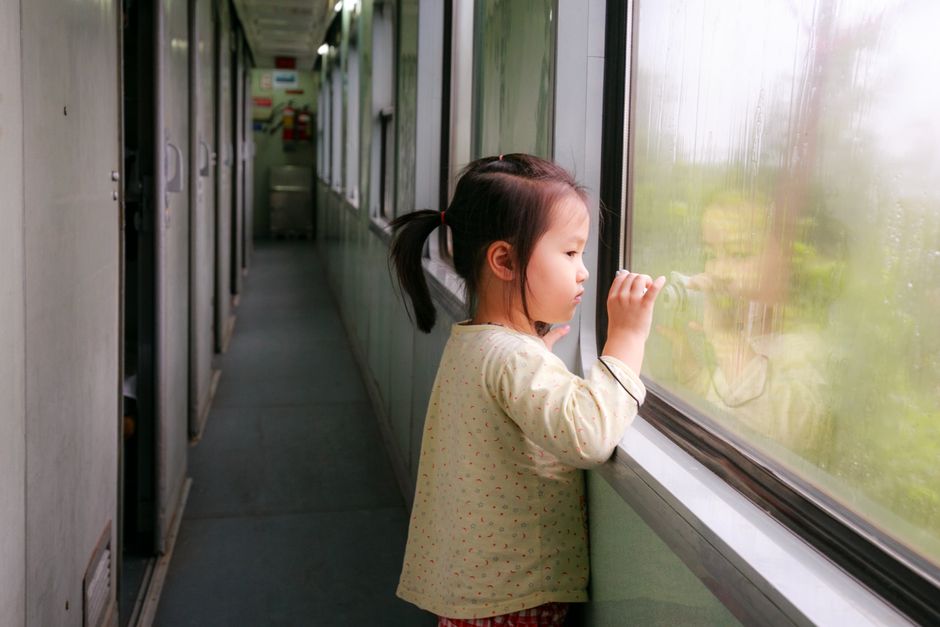
What Happens When a Train Stops One Tile Short?
A stuck train can teach children to trace, test, and repair a program, one instruction at a time.
Railway coding for kids: How Theo Fixed a Train Route With Repeats and Branches
See how a repaired railway map can help parents spot the repeats and branches behind a child’s coding play.

The Signal at 7:18, and What It Can Save at Bedtime
One correctly routed train can make bedtime learning feel complete, without loot prompts, streak pressure, or another round of tapping.

Nina’s machine stays dark. A wrong profile could derail the rainy morning.
See how shared browser profiles let siblings practise German reading and harder maths in separate, persistent learning worlds.
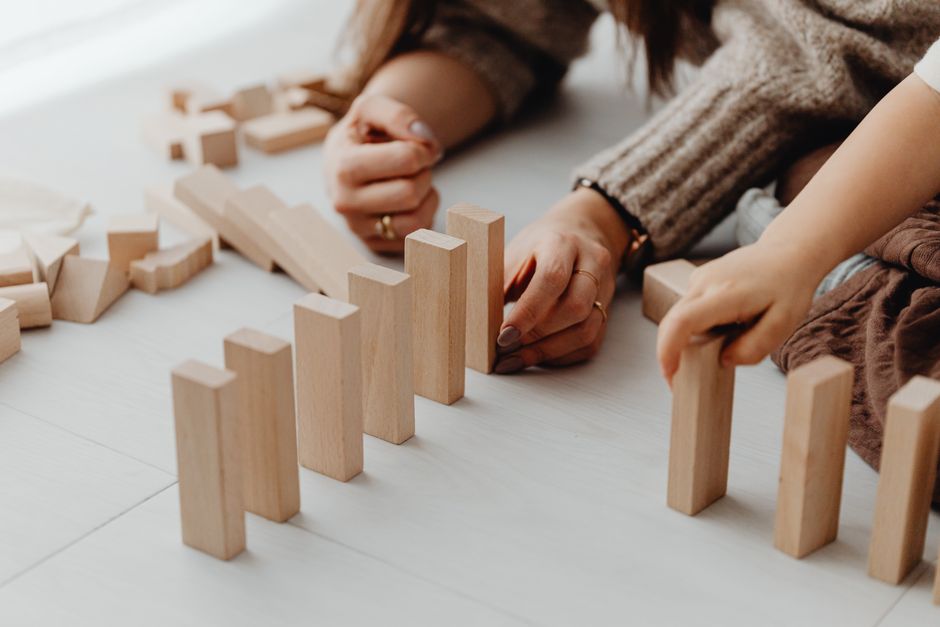
What Can Your Child Do When You Change One Part of the Tablet Activity?
Three quick questions that reveal whether your child’s tablet session built recall, reasoning, and transferable learning.

Weekly learning check-ins: What Leo’s wrong turn taught Priya about progress
Turn ten minutes of screen time into visible learning with a simple Sunday check-in built around one named skill.
The Square Canisters Apollo 13 Needed, and What They Nearly Cost the Crew
Screen time means more when a child is solving, practising, and finishing something real. Here’s how to tell the difference.
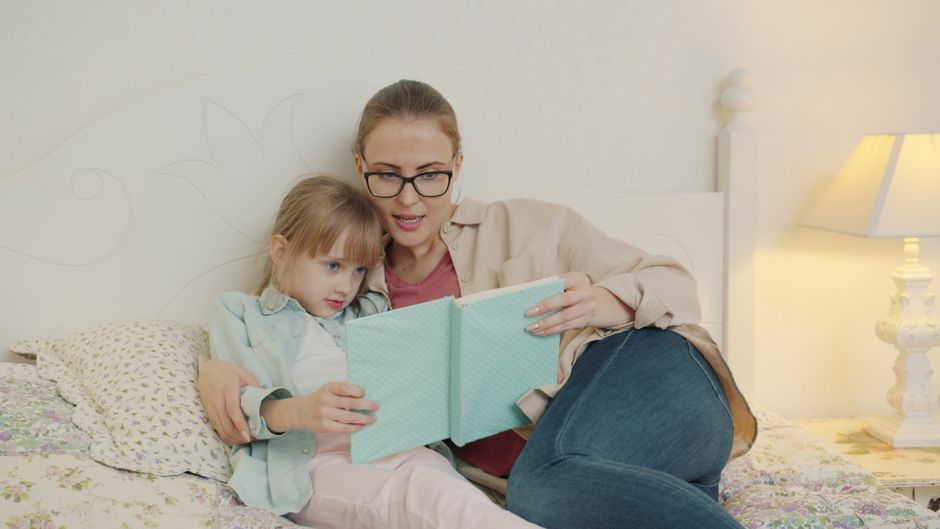
Amira reads every word. The story is still locked behind them.
Your child can read every word and still miss the story. Learn simple ways to build meaning alongside phonics.
What Did Your Child Work Out to Make That Happen?
A practical way to judge meaningful screen time: look for skills a child uses, builds with, and can show you afterward.

Children's Learning Games: What an Ad Before Play Costs a Parent
Before handing over the tablet, use this simple test to spot learning games that trade your child’s attention for ads.

The Square Canister Apollo 13 Needed, and What It Almost Cost the Crew
A working circuit helps children see how tomorrow becomes real: predict, test, fix, and watch the light turn on.

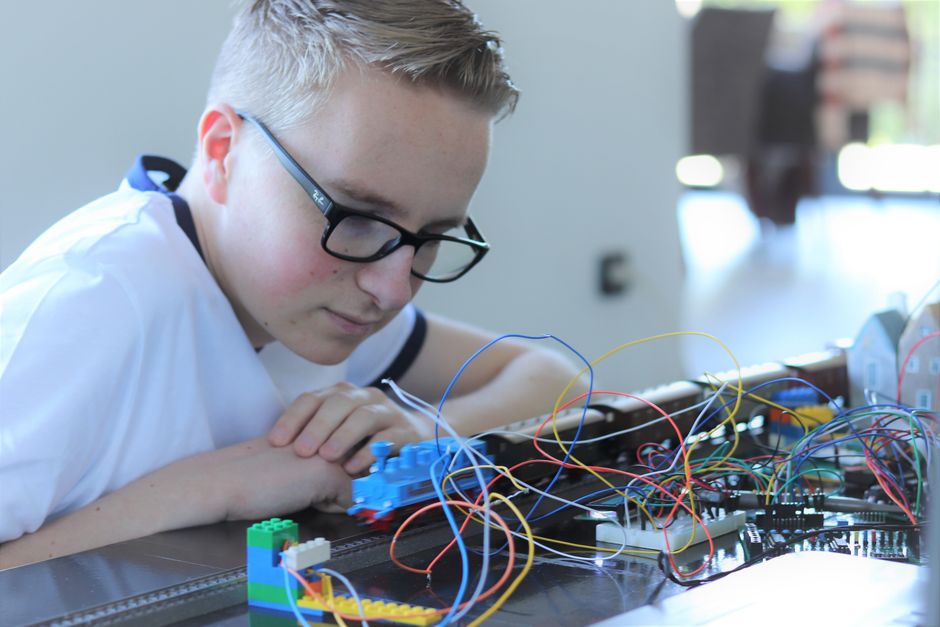
Mina’s train is stranded. She must fix the route before the session ends.
A stranded train turns coding into a concrete problem children can inspect, repair, and solve.

What Does a Wi-Fi Switch-Off Reveal About Why Your Child Returns to a Game?
Switch off Wi-Fi for one Saturday and listen closely. Your child’s first objection may reveal what their favorite games are really training.

Learning Games for Children: What “One More Try” Reveals About Curiosity
“One more prize” and “I need to see if the bulb lights” reveal two very different reasons children resist ending screen time.
The Square Canister That Wouldn’t Fit, and What Five Focused Minutes Can Change
Turn five spare minutes before dinner into one real learning win, with browser play, visible progress, and no payment or download.

A parent’s checklist for choosing a children’s learning game: no ads, no loot boxes, no streak punishment, real adaptive mastery, and progress you can verify.
Use this practical checklist to spot safe learning games that adapt well, avoid manipulative rewards, and show parents real progress.

Elena’s children share one tablet. Their learning identities cannot be mixed.
One tablet, two siblings, two reading paths. See how separate profiles protect language settings, mastery, and each child’s growing world.
Educational screen time vs intrinsic learning: how to tell whether learning drives the play or merely unlocks the next game.
Use a ten-minute parent audit to spot real intrinsic learning, empty reward loops, useful mistakes, and screen time worth keeping.

What Should a Friday Email Reveal About Your Child’s Screen Time?
See how weekly skill summaries reveal what children learned, without streak pressure, countdowns, or surveillance-style tracking.
Shared Family Tablet Learning: How Profiles Give Each Sibling a Different Challenge
One family tablet, two different learners. See how child profiles keep language, difficulty, progress, and worlds personal.