Topic
child-development
What Happens When Reading Practice Feels Like a Performance?
Reading practice works better when children play with real words. Learn how low-pressure game design can support joyful reading from ages 5–8.

Leo’s Train Hits a Dead End. The Answer Would End His Thinking.
A wrong answer can become a smaller challenge, helping children rebuild understanding instead of simply seeing the solution.

Educational screen time is not a content label: a parent’s guide to distinguishing intrinsic learning mechanics from quizzes, videos and rewards placed around schoolwork.
Learn how to spot screen time where real learning drives play, and avoid quizzes and rewards that only decorate schoolwork.

What Happens When Your Child Cannot Explain the First Step?
A finished AI worksheet can hide a learning gap. Use these practical prompts to help children explain, practise, and retain the first step.

Leo’s reward loop ends. His sister’s stranded train keeps maths meaningful.
Why children leave reward-heavy games and return to learning worlds where their maths keeps a real problem moving.

What Happens When a Child Changes the Rules Mid-Game?
Why children learn deeply when they can test, change, and operate a system instead of only following rules.
What Happens When the Reward Wheel Becomes the Activity?
A reward wheel can hold attention, but understanding gives children a better reason to keep playing and a clearer reason to stop.

Learning Game Design: Why Lesson Breaks Make Children Stop Playing
Why lesson interruptions make children close learning games, and how playable skills keep curiosity alive.
What Does Your Child Want When the Rewards Go Quiet?
Use the Tunnel Test to see whether a child values a learning game’s real challenge or its reward loop.
What Does It Mean When a Child Replays a Solved Challenge?
A child replaying a solved challenge can reveal more about real interest than points, badges, or screen-time totals.
The Finished Circuit Challenge, and Why It Makes Screen Time Easier to End
Short screen sessions end more calmly when kids finish a meaningful challenge before the timer runs out.
What Did Your Child Figure Out to Fix the Game World?
The practical test for play-based learning: does a child’s thinking change the game world, or merely unlock another reward?
What Does Your Child Need to Do to Unlock the Next Room?
A practical parent test for educational screen time: trace what a child must do to unlock the next in-game change.
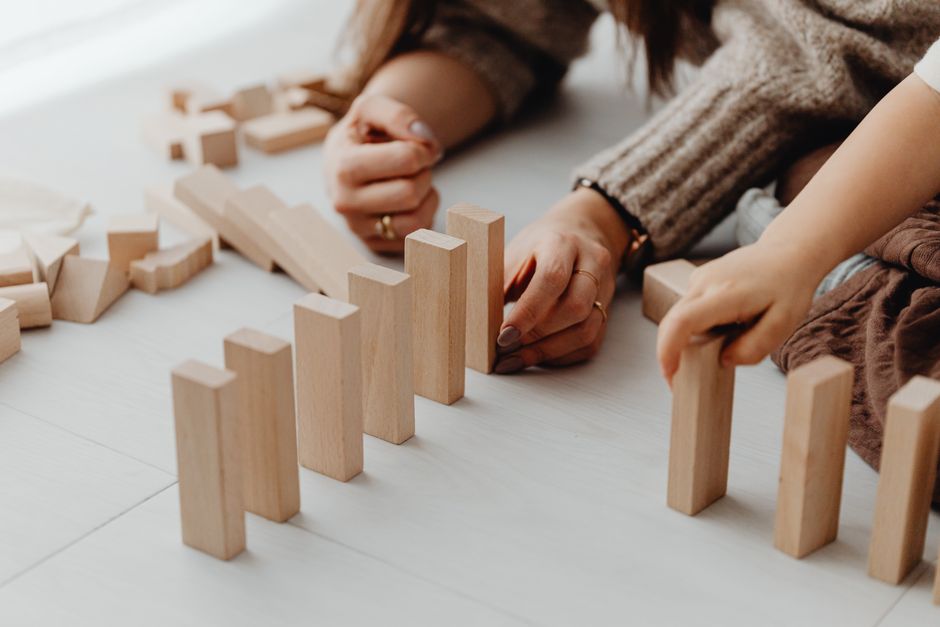
What Can Your Child Do When You Change One Part of the Tablet Activity?
Three quick questions that reveal whether your child’s tablet session built recall, reasoning, and transferable learning.
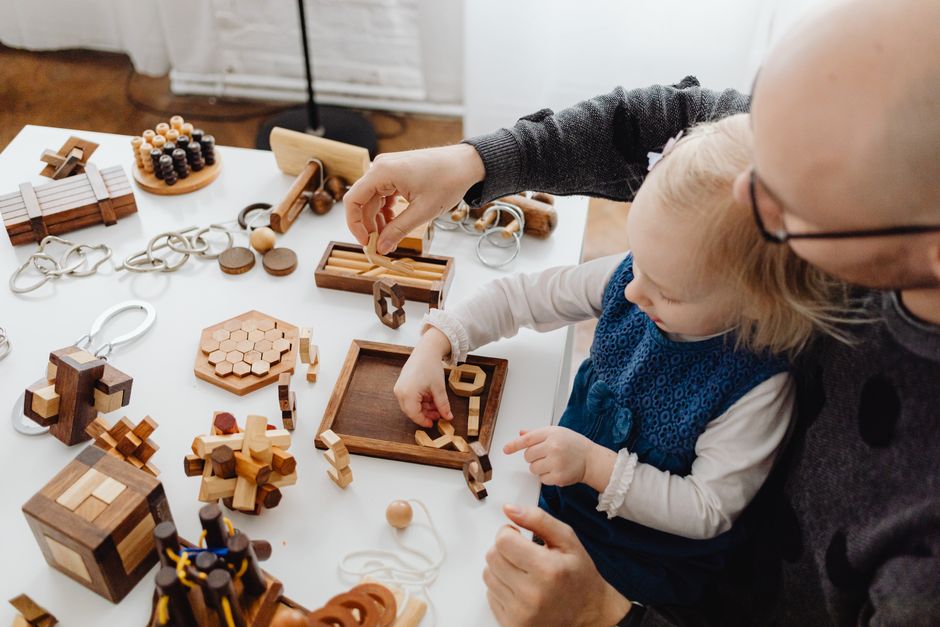
The Square Canisters Apollo 13 Needed, and What They Nearly Cost the Crew
Screen time means more when a child is solving, practising, and finishing something real. Here’s how to tell the difference.
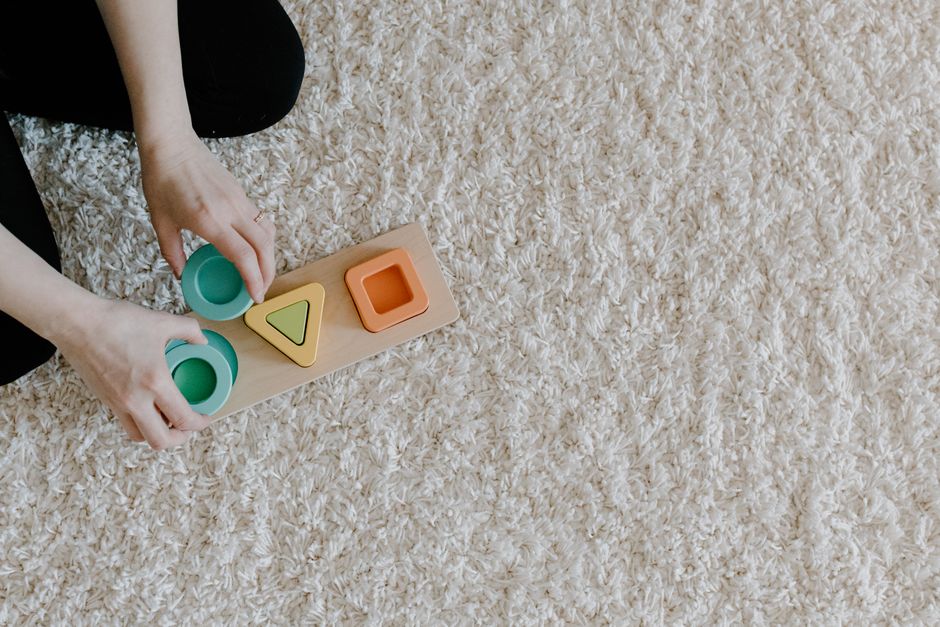
The Square Cartridge That Didn’t Fit, and What 20 Minutes Can Hide
Twenty minutes can train passive watching or real reasoning. Use four questions to judge what your child’s screen session actually demands.

Learning Games: How Maya’s Reasoning Restored a Persistent World
See how Jambolino turns maths, reading, science and coding into the actions that make a child’s persistent world grow.

What Happens When a Children’s Game Ends Without Loot Boxes?
What changes when a kids’ game removes loot boxes? See how earned progress creates calmer endings and a clearer sense of accomplishment.

Educational Screen Time: What Nico’s Train Puzzle Taught Sofia About Stopping Points
Before the timer ends tablet time, ask one question that reveals whether your child is solving, predicting, building or merely tapping.

Educational screen time vs passive screen time: a practical guide for parents judging what their child is actually doing, including agency, productive difficulty, feedback, and whether learning changes the game world.
Is that learning app truly educational? Use this five-minute parent check to spot agency, useful feedback, real challenge, and meaningful play.
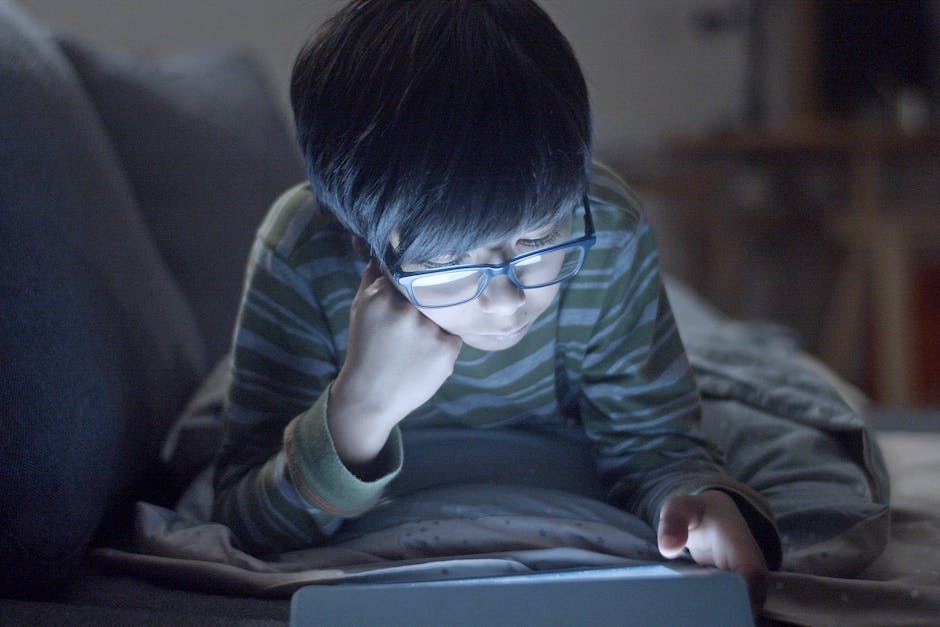
Lena’s tablet dilemma. Another twenty minutes could postpone Theo’s bedtime.
Stop counting every screen minute the same way. Learn how to spot watching, recall, creation, and learning built into play.

The Story Alice Liddell Asked to Keep, and What Her Pause Revealed
Is your child daydreaming while reading? Learn how quiet pauses can reveal comprehension, imagination and a reason to pick the story up again.

Can a Visible Finish Line Make It Easier to Hand Back the Tablet?
Can better game endings prevent tablet battles? See how visible completion helps children stop calmly while keeping learning meaningful.

Educational Screen Time: What Mara’s Failed Train Routes Reveal About Learning
Screen time totals miss the real story. Learn how five simple verbs reveal whether your child watched, guessed, tested or built.

What Is a Learning Game Really Teaching When a Child Reaches for the Daily Reward?
What does a learning game really teach? Watch the first tap and discover whether understanding or reward collection drives the play.
Leo's math game. It rewards guessing, not learning.
Learn why rewarding guesses with confetti can undermine learning in educational games, and how intrinsic rewards drive genuine mastery.

The Badge That Popped Up, and What It Taught Children to Value Instead
Does your child's educational game train them to chase rewards, or to love learning? Discover how superficial animations can distract from true understanding.
Leo's train is broken. Dinner is ready.
Is your child truly learning or just chasing rewards during screen time? Discover how intrinsic engagement changes the value of digital play.

The Pirate Hat on the Worksheet, and What It Still Meant to Kids
Discover why characters and treasure don't change a worksheet, and how Jambolino makes learning the game itself, building worlds with every solved challenge.

Screen time decisions: How Maya's ten minutes taught the value of active play
Make screen time count. Choose learning games where every tap builds understanding, not just collects rewards. Perfect for short sessions.

The Square CO2 Scrubbers, and What They Almost Cost Apollo 13
Discover how educational apps can move beyond ads and prize wheels, fostering intrinsic motivation by making learning the game's reward.

What Happens When a Reward Wheel Makes a Finished Lesson Feel Like Failure?
When a reward wheel makes a completed lesson feel like failure, children remember the loss. Here is a better way to reward learning.

Educational App Reward Loops: What Maya’s “One More” Revealed About Curiosity
Is “one more” driven by curiosity or a reward loop? Learn the physical cues that reveal what truly holds your child’s attention.